A comprehensive operational plan to serve the pilgrims
As part of its intensive efforts to serve pilgrims during the holy month of Ramadan, the Holy Capital Municipality announced a remarkable achievement in public cleanliness, with its field teams removing over 43,000 tons of waste during the first five days of the month. This operation is part of a comprehensive operational plan aimed at maintaining the cleanliness and health of the environment in Makkah, particularly in the central area surrounding the Grand Mosque, which experiences a massive influx of pilgrims and visitors.
General context: Mecca in Ramadan
Mecca holds unique religious significance for Muslims worldwide, a significance that reaches its peak during Ramadan, the peak season for Umrah. Millions of Muslims from around the globe flock to the holy city to perform Umrah, observe Itikaf (seclusion in the mosque), and pray at the Grand Mosque. This massive influx presents enormous logistical challenges to all service sectors, most notably waste management. Consumption increases dramatically, leading to a massive rise in municipal and solid waste. This necessitates exceptional preparations and well-defined plans to manage it efficiently and swiftly, preserving the sanctity of the place and the health of its visitors.
Details of field efforts and their impact
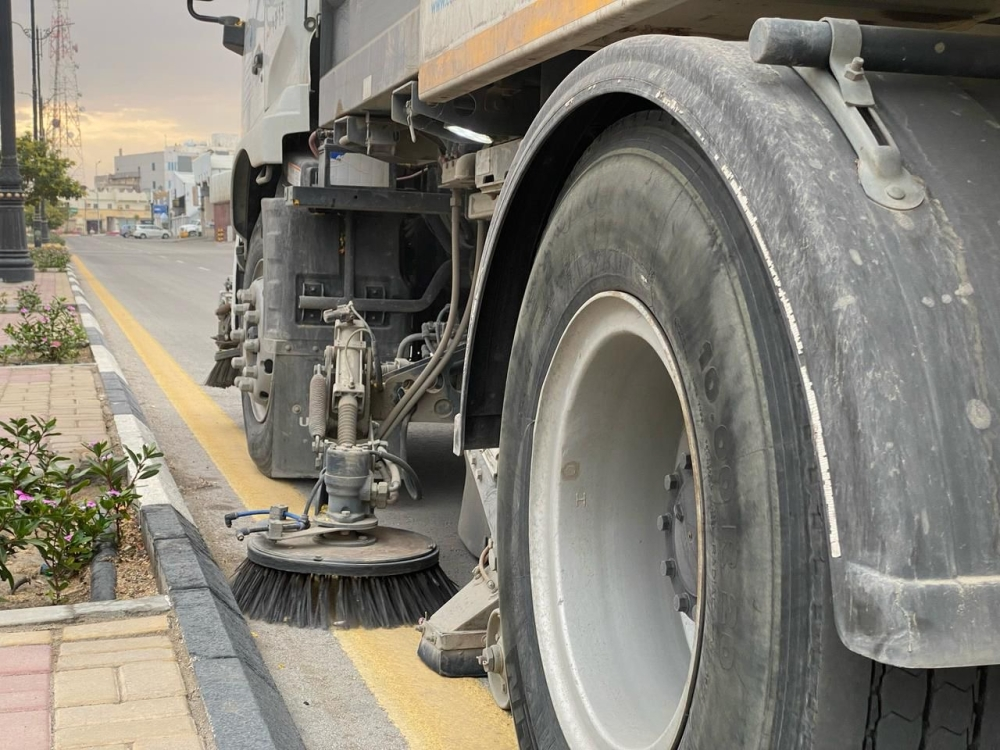
The municipality explained that the quantities collected during the period from the 1st to the 5th of Ramadan amounted to 19,658.4 tons of municipal waste and 23,913.3 tons of construction and demolition debris, reflecting the scale of daily field operations. Efforts were not limited to waste collection alone, but also included mechanical street sweeping covering a distance of 3,198,466 kilometers, in addition to washing and disinfecting 440 public sidewalks. Teams also maintained 752 waste containers and washed 2,905 others to ensure the readiness of facilities and improve environmental sanitation in various neighborhoods and vital areas.
These efforts not only contribute to providing a clean and safe environment for residents and millions of visitors, but also enhance the Kingdom of Saudi Arabia's civilized image as a nation that dedicates all its resources to serving the Two Holy Mosques. Effective waste management is a cornerstone of the public health system, preventing the spread of diseases and epidemics in large gatherings, which is a top priority for the Saudi authorities. These services have a direct and positive impact on the experience of pilgrims and visitors, enabling them to perform their religious rites in an atmosphere of peace and tranquility.
Addressing visual distortion and improving quality of life
The Holy Capital Municipality affirmed that these efforts are an extension of its commitment to providing comprehensive municipal services that meet the aspirations of residents and visitors to the Holy Mosque. These campaigns play a pivotal role in addressing visual pollution and improving the urban landscape of the Holy Capital, in line with the objectives of the Kingdom's Vision 2030, which places great emphasis on enhancing the quality of life in Saudi cities. Field teams work around the clock according to well-defined plans to ensure the continuity of services and improve performance efficiency, thus reinforcing Makkah's status as a global city that welcomes its guests in the best possible way.