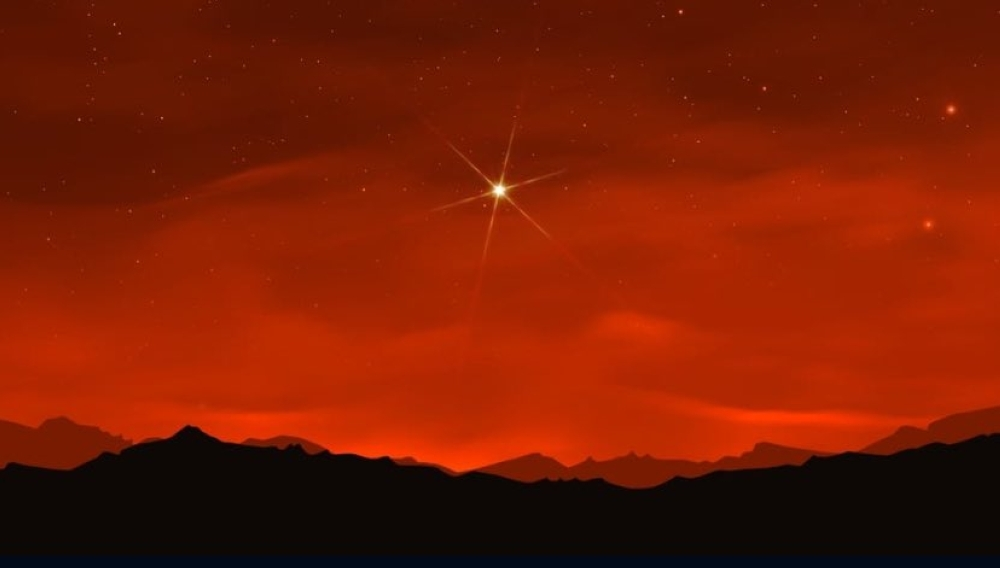
أعلنت الجمعية الفلكية بجدة أن سماء المملكة والوطن العربي تشهد اليوم، الجمعة 9 يناير 2025، حدثاً فلكياً هاماً يتعلق بكوكب المريخ، والذي يُعرف علمياً بظاهرة «الاقتران الشمسي». وأوضح المهندس ماجد أبو زاهرة، رئيس الجمعية، أن هذا الحدث يتسبب في اختفاء الكوكب الأحمر تماماً عن الأنظار لعدة أسابيع، حيث يندمج ضوؤه في وهج الشمس الساطع، مما يجعله غير قابل للرصد سواء بالعين المجردة أو التلسكوبات.
ما هو الاقتران الشمسي؟
تحدث ظاهرة الاقتران الشمسي للمريخ بشكل دوري كل 26 شهراً تقريباً، وهي ظاهرة طبيعية تنتج عن دوران الأرض والمريخ حول الشمس بسرعات ومسافات مختلفة. في هذا التوقيت، يصبح المريخ في الجانب المقابل للأرض تماماً بالنسبة للشمس، بحيث تكون الشمس حاجزاً بصرياً وفيزيائياً بين الكوكبين. وتعد هذه الفترة مرحلة انتقالية هامة في الدورة الرصدية للكوكب، حيث ينتقل بعدها من سماء المساء إلى سماء الفجر.
ومن الناحية العلمية والتقنية، لا يؤثر هذا الحدث على الرصد البصري فحسب، بل يلقي بظلاله على مهام استكشاف الفضاء. فخلال فترات الاقتران الشمسي، عادة ما تعلق وكالات الفضاء العالمية مثل “ناسا” إرسال الأوامر المعقدة إلى المركبات والمسبارات الموجودة على سطح المريخ أو في مداره، وذلك لأن البلازما الساخنة المنبعثة من الشمس قد تشوش على إشارات الراديو، مما قد يتسبب في فقدان البيانات أو تنفيذ أوامر خاطئة.
أبعد مسافة عن الأرض
وبيّن أبو زاهرة أن المسافة بين الأرض والمريخ تصل خلال هذا الحدث إلى ذروتها، حيث تبلغ حوالي 359 مليون كيلومتر. هذه المسافة الشاسعة تجعل القطر الظاهري للكوكب صغيراً جداً، إذ لا يتجاوز 3.9 ثانية قوسية. وحتى لو افترضنا جدلاً إمكانية حجب ضوء الشمس لرؤيته، فإن الكوكب سيبدو كنقطة ضوئية خافتة للغاية تفتقر لأي تفاصيل سطحية مميزة، مما يجعل محاولة رصده غير مجدية علمياً في هذا التوقيت.
عودة المريخ للظهور ومخاطر الرصد الحالي
وأضاف رئيس الجمعية الفلكية بجدة أن الكوكب سيبدأ في الابتعاد تدريجياً عن وهج الشمس خلال الأسابيع المقبلة، ليعاود الظهور مجدداً في الأفق الشرقي قبل شروق الشمس. وسيشهد الكوكب رحلة طويلة من التغيرات، حيث سيزداد لمعانه وحجمه الظاهري ببطء مع مرور الأشهر، وصولاً إلى ظاهرة “التقابل” بعد نحو عامين، وهي الفترة الذهبية لرصد المريخ حيث يكون في أقرب نقطة للأرض وأكثرها لمعانًا.
وفي ختام تقريره، أطلق أبو زاهرة تحذيراً شديد اللهجة لهواة الفلك والمصورين من محاولة توجيه المناظير أو التلسكوبات نحو موقع المريخ في السماء حالياً. وأكد أن قربه الشديد من قرص الشمس يشكل خطراً محققاً، حيث أن أي خطأ بسيط قد يؤدي لدخول أشعة الشمس المركزة إلى مجال رؤية الجهاز البصري، مما يسبب حروقاً فورية لشبكية العين قد تنتهي بالعمى الدائم، مشدداً على ضرورة الالتزام بمعايير السلامة الفلكية.