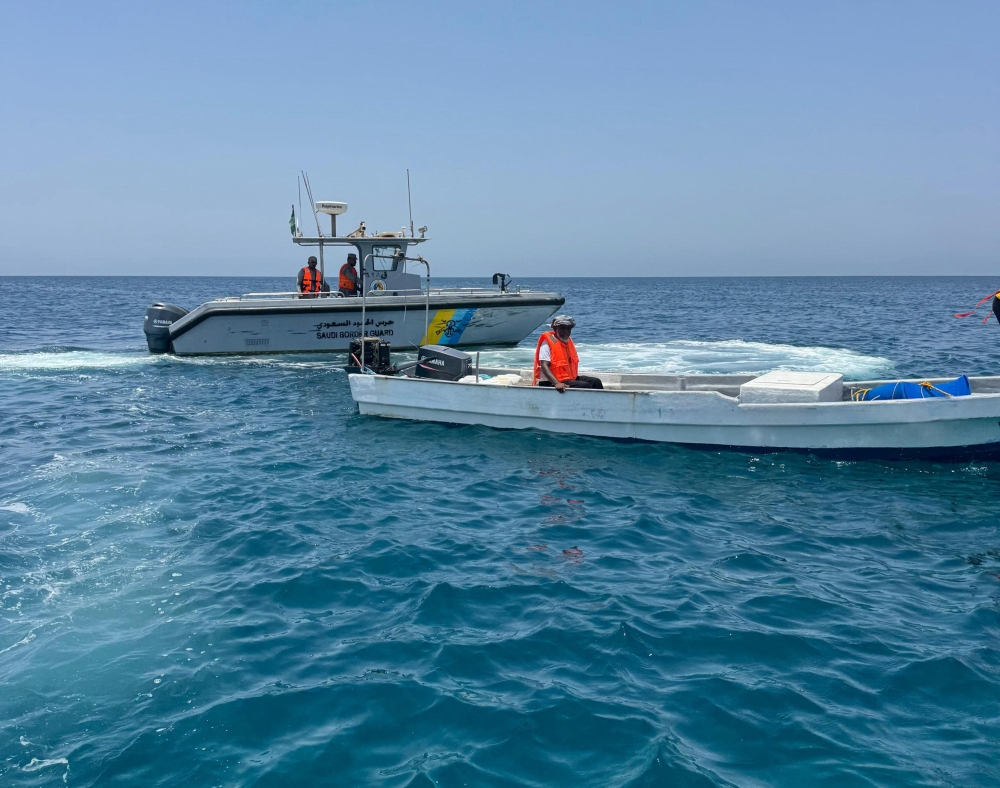
In a move reflecting the Kingdom of Saudi Arabia’s unwavering commitment to protecting its natural resources, the Ministry of Environment, Water and Agriculture, through its “Istilaa” platform, launched a draft update to the Marine Environment Regulations (officially known as the Executive Regulations for the Sustainable Management of the Marine and Coastal Environment). This significant update aims to mitigate the negative impacts of human activities and develop monitoring mechanisms to ensure the protection of the Kingdom’s ecosystems, in line with the highest international standards.
The strategic context for issuing the Marine Environment Regulation
The Kingdom of Saudi Arabia boasts a long coastline along the Red Sea and the Arabian Gulf, two of the world's most important bodies of water, home to unique biodiversity including rare coral reefs, mangrove forests, and numerous endangered marine species. Historically, unregulated human activities and rapid industrial development have posed a significant challenge to these sensitive habitats. Therefore, Saudi Vision 2030 and the Saudi Green Initiative have placed environmental sustainability at the heart of national policies. The updated regulations represent the culmination of these institutional efforts, aiming to address previous regulatory gaps and establish a robust legal framework that ensures the sustainable use of marine resources without disrupting their natural balance.
Mandatory disclosure and comprehensive risk assessment
The updated regulations include strict provisions requiring all activities seeking environmental permits to fully and transparently disclose any potential risks to wildlife and its natural habitats, ensuring their sustainability for future generations. This disclosure includes submitting detailed studies on the impacts arising during sensitive environmental seasons, such as breeding seasons and periods of bird and marine migration. The regulations also emphasize the necessity of including this detailed information in environmental impact assessments and environmental audits before commencing any operations on coastlines or in territorial waters.
Broad powers and firm preventive measures
The new legislation grants broad and significant powers to the National Center for Wildlife Development and the Red Sea Coral Reef and Turtle Conservation Authority (SHAMS). These powers enable them to take decisive and immediate regulatory measures upon detecting any serious environmental risks. Furthermore, the competent authorities, in direct coordination with the National Center for Environmental Compliance, may impose temporary restrictions or even suspend activities entirely to protect the marine environment. These measures are considered proactive preventative steps aimed at averting danger before it occurs, and are not merely retroactive punitive measures.
Expected impact at the local and international levels
The implementation of this regulation is of paramount importance and will have a wide-ranging positive impact. Domestically, the strict regulations will contribute to the recovery of fish stocks and the protection of habitats upon which major ecotourism projects, such as the Red Sea Project, depend, thereby supporting the national economy and creating sustainable employment opportunities. Regionally and internationally, the Kingdom's commitment to implementing stringent environmental standards reinforces its position as a leading nation in environmental protection in the Middle East and supports global efforts embodied in international treaties to protect biodiversity and combat climate change.
Strict controls on fishing licenses and research activities
The regulations established precise and strict controls for issuing fishing licenses, stipulating that licenses be personal and non-transferable. A key requirement is that applicants must have a clean record, with no more than two environmental violations in the past two years. The relevant authority is responsible for processing fishing license applications within ten working days. Licenses must include detailed information specifying permitted fishing methods, quotas, and geographical areas, and are valid for a period not exceeding one year.
On the scientific and research front, the regulations require researchers and institutions to obtain prior authorization before collecting marine samples. They stipulate that collections be limited to the minimum necessary for the study, and that ownership of research findings for samples exported outside the Kingdom must be clearly stated, to ensure the preservation of national rights to genetic and biological resources.
Organizing water sports and exchanging information
To ensure data governance, the new regulations prohibit the publication of any data or studies related to the marine environment without prior written and official approval from the Ministry. This measure aims to regulate the dissemination of information related to the Kingdom's natural resources through a formal and reliable mechanism. The regulations also extend to the entertainment and tourism sector, prohibiting the holding of competitions or events for motorized vessels, or the practice of commercial and recreational diving activities, without obtaining prior environmental authorization. This is to ensure that sensitive habitats and coral reefs, which take decades to grow and recover, are not harmed.