Financial transformation at Old Trafford
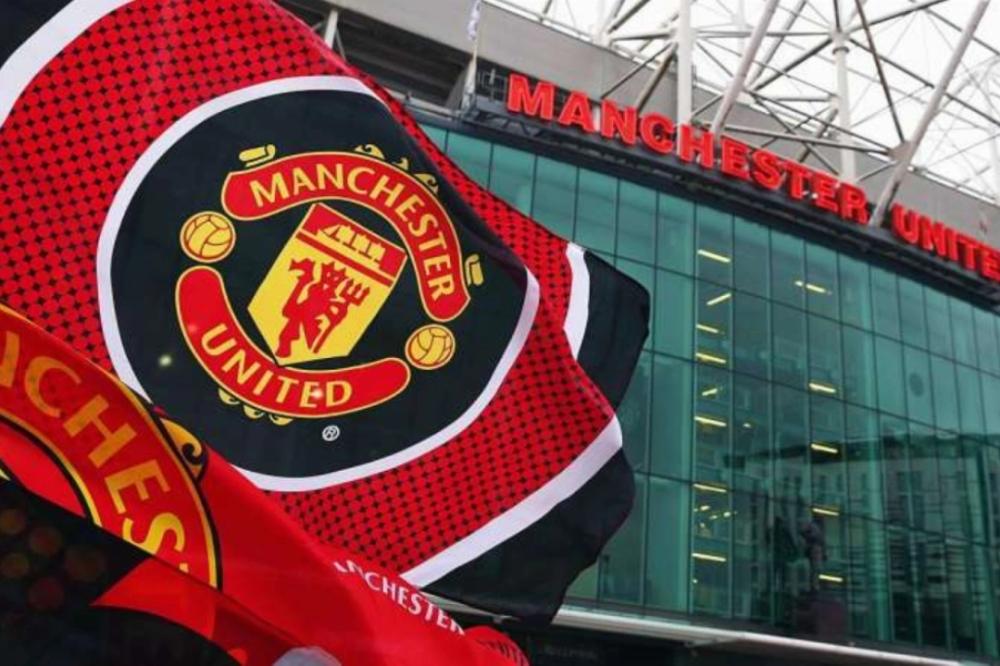
Manchester United announced a significant jump in operating profit, a clear indication that the positive effects of the comprehensive management restructuring led by new co-owner Sir Jim Ratcliffe and his INEOS group are beginning to materialize. New chief executive Omar Berrada confirmed that these results reflect the "positive financial impact" of the off-field measures implemented to control costs and increase operational efficiency.
According to the latest financial data, the club achieved an operating profit of £32.6 million (approximately $44 million) in the first six months of the current financial year. This figure represents a dramatic turnaround compared to the same period last year, when the club recorded a loss of £3.9 million. The last quarter alone saw an operating profit of £19.6 million, compared to just £3.1 million in the corresponding period of the previous year.
The context of restructuring under the leadership of Ineos
These figures come in the wake of a period of radical change at Manchester United. After years of inconsistent sporting performance under the Glazer family's complete ownership, British billionaire Sir Jim Ratcliffe acquired a minority stake in the club and took over the management of football operations. His first act was to conduct a comprehensive review of the management structure, aiming to make it more agile and efficient. This review resulted in the elimination of approximately 450 jobs, as part of a wider program to reduce the operating costs that had burdened the club for years.
This strategy aims to build a solid financial foundation that will allow the club to invest better in the first team, develop the academy, and modernize the infrastructure, including the historic Old Trafford stadium.
Impact of sports performance on revenue
Despite a significant jump in profits, the club's total revenue saw a slight decrease to £190.3 million in the second quarter of the financial year, compared to £198.7 million last year. This decline is primarily attributed to the team's failure to qualify for major European competitions such as the Champions League or the Europa League last season. This absence deprived the club of broadcasting and matchday revenue, which in turn led to a drop in commercial revenue from £85.1 million to £78.5 million and matchday revenue from £52 million to £49.5 million.
Future outlook and the importance of the event
Despite the decline in revenue, Manchester United maintains its forecast of total revenue between £640 million and £660 million for the full financial year, reflecting confidence in the strength of the club’s global brand. The success of the restructuring plan in generating strong profits even without European revenue sends a positive message to investors and fans alike. Financial stability is the cornerstone of a return to competing at the highest levels both domestically and in Europe. “Today’s results demonstrate the inherent strength of our business as we continue to strive for the best possible outcomes in football for our men’s and women’s teams,” said Berrada. The biggest challenge for the new management remains translating this financial discipline into sustained success on the pitch.