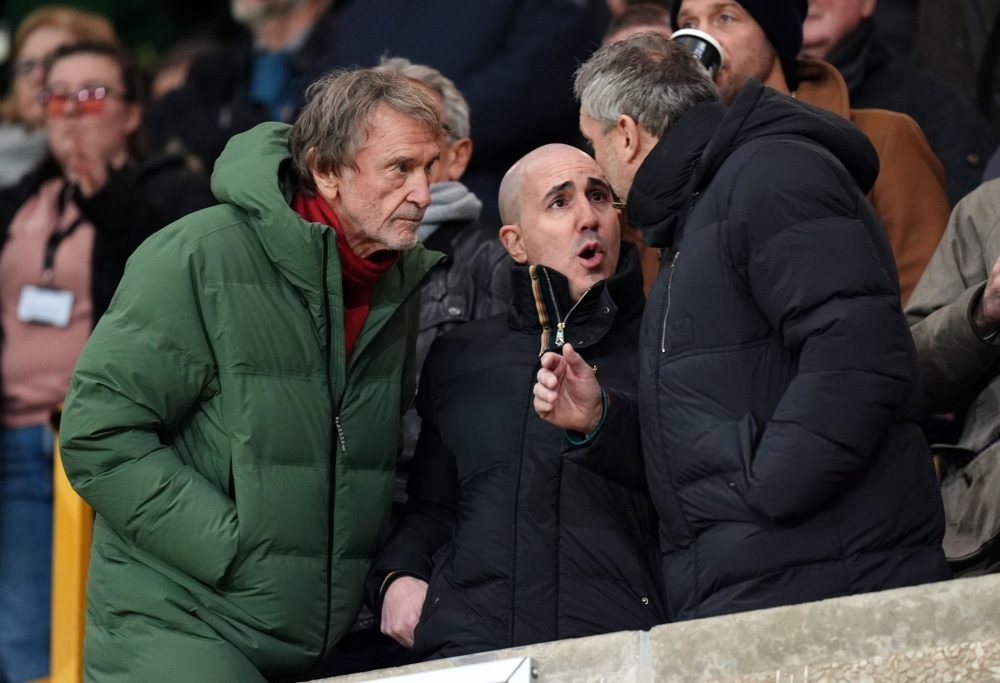
The dismissal of Portuguese coach Ruben Amorim from his position as manager of Manchester United has reopened the file on the successive crises within Old Trafford, revealing the deep chasm between the glittering promises made by Sir Jim Ratcliffe and the harsh reality the team is experiencing. This decision confirms the lack of tangible progress since the British billionaire took over the management of the club's football affairs, placing his entire reform project under intense scrutiny.
The post-Ferguson curse continues
Amorim was merely the latest in a long line of managers who have failed to fill the enormous void left by Sir Alex Ferguson since his retirement in 2013. After two decades of absolute dominance, culminating in 20 Premier League titles and European supremacy, the "Theatre of Dreams" has become a managerial graveyard. Since then, the club has failed to seriously challenge for major trophies, both domestically and in the Champions League, despite a succession of high-profile managers and massive spending in the transfer market.
Administrative chaos and internal conflicts
Amorim, 40, is the first manager to be appointed and then dismissed entirely under the Ratcliffe administration, a significant blow to the credibility of the new management, which had been welcomed by the public as a potential end to the turbulent era under the Glazer family's ownership. However, behind-the-scenes power struggles have emerged, most notably a disagreement between Amorim and director of football Jason Wilcox over tactical philosophy and player recruitment, which hastened the manager's departure after just 14 months. This dismissal further exacerbates the administrative instability, especially since Wilcox himself succeeded Dan Ashworth, who lasted only five months, highlighting the lack of a long-term strategic vision.
Disastrous figures and a difficult financial reality
The crisis reached its peak with disappointing results, as the team finished the 2024-2025 season in 15th place, their worst finish since the club's relegation in 1974, resulting in their absence from European competitions. This season, despite a slight improvement, the team finds itself 17 points behind league leaders Arsenal, having won only one of their last five home matches.
On the transfer front, the new signings failed to make the desired impact. The expensive attacking trio of Chisko, Cunha, and Mbuyumu managed only 12 goals, while the underwhelming performances of previous signings like Zirkzee and Ugarte continued. This comes at a time when the club's purchasing power is shrinking due to financial sustainability regulations and the pressing need for Champions League revenue.
Stadium ambitions and the challenges of reality
Amid these technical crises, Ratcliffe's plans to build a 100,000-seat "greatest stadium in the world" to replace the crumbling Old Trafford appear to be a desperate attempt to escape the consequences. While the club is charging fans more for tickets and laying off staff to balance the budget, supporters are questioning the wisdom of such massive construction projects with a "mediocre" squad, making the dream of a 21st league title in the club's 150th anniversary year in 2028 seem increasingly unlikely.