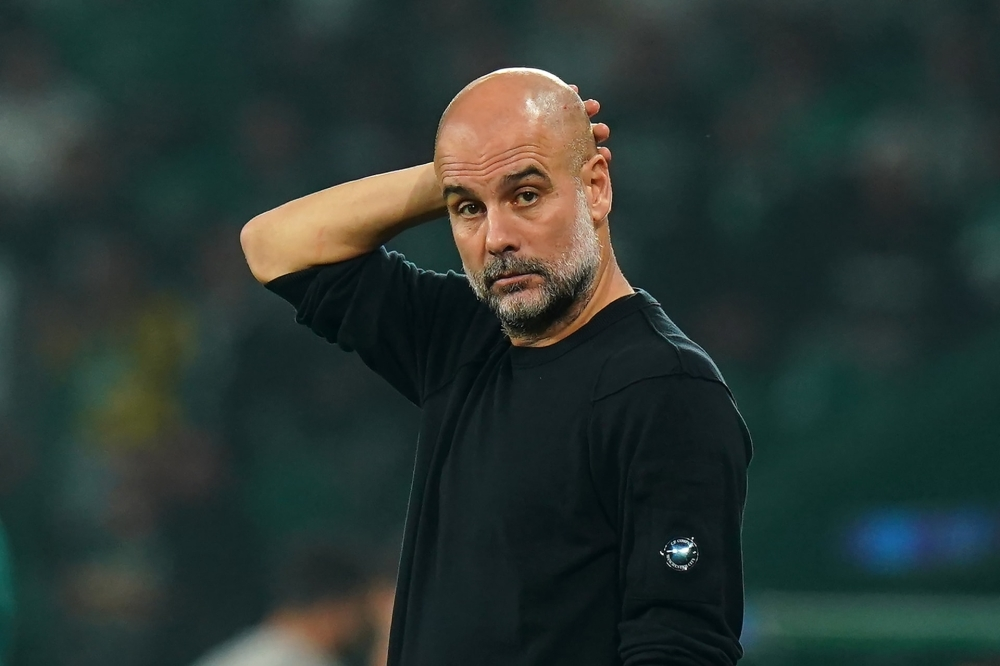
Spanish manager Pep Guardiola has acknowledged a real problem facing his team this season, with Manchester City's struggles in front of goal proving to be a major obstacle to their usual winning streak. The veteran coach confirmed that squandering clear scoring opportunities has had a direct and negative impact on the team's results in several crucial matches, prompting questions from fans and analysts about the reasons behind this noticeable decline in their goal-scoring rate.
Developments in Manchester City's final touch crisis and its impact
Historically, Manchester City under Pep Guardiola were known as a relentless attacking machine, breaking numerous goalscoring records in past Premier League seasons. Their possession-based style of play and constant chance creation enabled them to dominate domestic and continental competitions, culminating in a historic treble. However, the contrast between this formidable attacking legacy and their current form highlights the extent of the problem, as the team struggles to convert their dominance into goals – an unusual turnaround for the Sky Blues.
This dilemma was clearly evident in the recent match against West Ham United. Despite Manchester City's near-total dominance of the game, they managed only a single goal from 24 attacks and shots on target. The match ended in a 1-1 draw, a clear indication that possession alone is no longer sufficient without a decisive attacking edge to secure three points.
The impact of new signings on team harmony
In explaining the reasons for this decline, Guardiola pointed out that the large number of new players joining the team this season could be one of the main factors affecting the scoring rate. He explained that integrating new players requires time to adapt to the team's complex style of play, which explains the inconsistency in performance throughout matches. The Spanish coach cited the Nottingham Forest match as an example, where young player Savinho missed a clear opportunity in front of an empty net in the final moments, reflecting the team's fluctuating form.
The repercussions of the decline in scoring on local and European competitions
The repercussions of this decline extend far beyond simply dropping points; they directly impact the team's chances in the fiercely contested Premier League title race, especially given the continued brilliance of their direct rivals. Domestically, these dropped points present a golden opportunity for opponents to climb the table. On the continental stage, the lack of attacking decisiveness could prove costly in the knockout stages of the Champions League, where crucial matches are often decided by half-chances.
In comments published on the club's official website, Guardiola said: “Football is unpredictable. West Ham only had one chance and they scored, and it's happened to us before. We're often the team that dominates in many aspects of the game, but we don't manage to convert that dominance into three or four goals.” He added, recalling previous matches: “We played exceptionally well against Sunderland and created many chances, and the same was true in our matches against Chelsea and Brighton, and today the same scenario repeated itself. Apart from the matches against Arsenal and Manchester United, where they were the better team, we were clearly the superior side in the rest of the games.”.
Guardiola concluded by expressing his pride in his players despite the difficulties, saying: “This has happened many times this season; we haven’t been able to score enough goals. I accept that our opponents score, but we’re used to scoring a lot too, which hasn’t been the case recently. Nevertheless, I’m proud of the players after our tough trip to Madrid and the difficult result there, and then coming to London and fighting until the very last minute.” This statement reflects the manager’s belief in his team’s ability to overcome this phase and rediscover their usual attacking prowess.