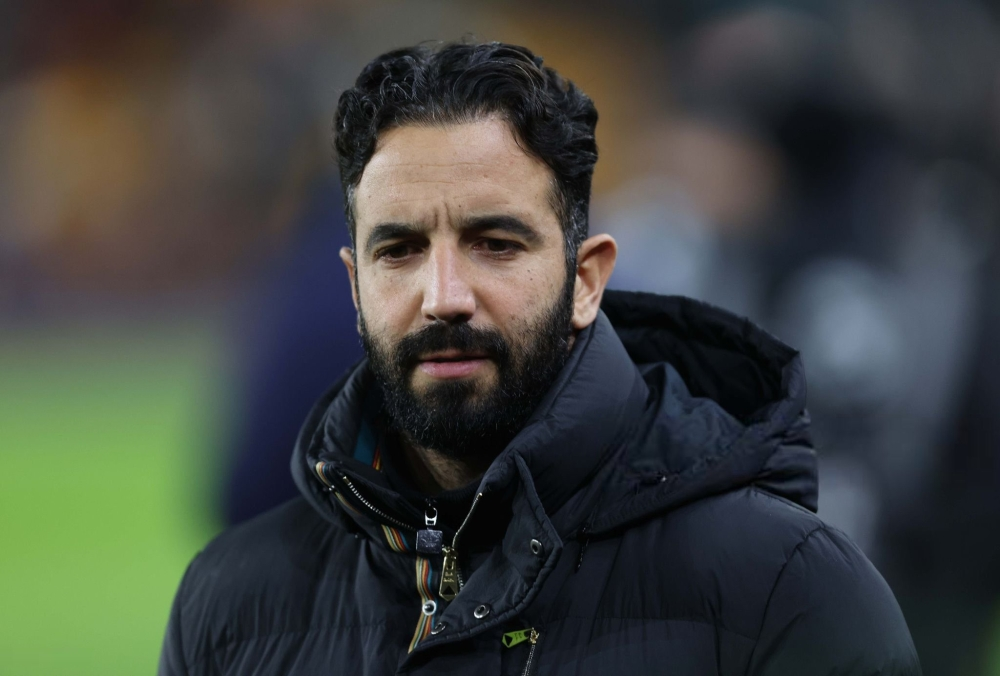
Manchester United announced in an official statement the dismissal of their Portuguese manager, Ruben Amorim, bringing to a close a 14-month period marked by technical instability and administrative tension. This decisive decision came after escalating disagreements reached a breaking point between the manager and the club's board, following a disappointing 1-1 draw against Leeds United, a match that ignited a firestorm of anger within Old Trafford.
The straw that broke the camel's back
The draw against Leeds wasn't the sole reason for his dismissal; the spark was the fiery press conference held by Amorim after the match. The Portuguese coach publicly and directly criticized the club's management structure, strongly objecting to his job title as "Head Coach" and demanding broader powers that would grant him the title of "Manager," allowing him control over the transfer market and crucial decisions. The Manchester United board considered these statements a serious breach of discipline and a challenge to the club's authority, which hastened his immediate departure, according to the British newspaper The Sun.
Negative statistics set the club back half a century
In numerical terms, Amorim's tenure was one of the darkest periods in Manchester United's modern history. During his 63 matches in charge, he managed only 24 wins, a win percentage that plummeted to 38.71%. Historical records indicate that this is the worst percentage for a permanent manager at the club since the era of Frank O'Farrell, who was sacked in 1971. This alarming decline wasn't limited to domestic results; it also included losing last season's Europa League final to Tottenham and finishing 15th in the Premier League – a position unbecoming of the club's history and prestige.
The roots of the dispute and administrative tension
The tension between Amorim and the board wasn't a sudden development, but rather the culmination of weeks of accumulated grievances. The disagreements surfaced clearly after the manager's indirect criticism of director of football Jason Willcox for failing to secure the signing of Bournemouth winger Antoine Simeone during the transfer window. Despite Amorim's previous attempts to garner greater managerial support to address the club's chronic defensive problems, the gap between the manager's ambitions and the board's strategy was widening daily.
New transitional phase
In light of these rapid developments, Manchester United's management decided to temporarily entrust the task to Darren Fletcher, the former midfielder and a loyal club member, to lead the team in the interim until a new manager is appointed. The club now faces a significant challenge in reorganizing and restoring the team's prestige both domestically and in Europe, amidst a climate of uncertainty among fans who hope for an end to the administrative and technical turmoil that has persisted for years.