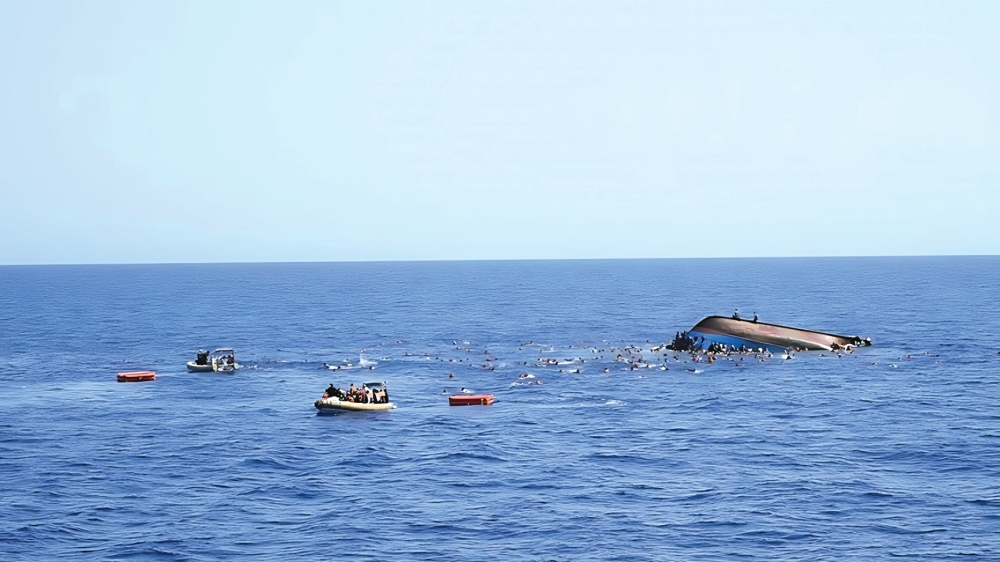
Mali has witnessed another tragic accident in its river transport sector, with several people dying and others missing after a traditional boat capsized in the Niger River, specifically off the coast of Diri, a town in the historic Timbuktu region of northern Mali. This incident once again highlights the dangers of river transport in a region heavily reliant on it.
The governor of the Timbuktu region stated in an official statement that the ill-fated boat was carrying approximately fifty people at the time of the disaster. Initial investigations by local authorities indicate that the likely cause of the sinking was the operators' failure to adhere to river navigation regulations and safety standards, a recurring issue in many similar incidents in the region.
A perilous lifeline
The Niger River is the lifeblood of Mali, particularly for the northern and central regions, which suffer from poor road infrastructure. Traditional boats, known locally as "binas," are the primary and most common means of transporting goods and people between towns and villages along the river and its tributaries. Despite their vital role, these boats often lack basic safety features and are frequently overloaded with passengers and cargo.
A complex security and geographical context
The recurrence of these incidents cannot be separated from the overall context of northern Mali. In addition to natural factors and the flood season, which raises the river's water level and increases its current, residents resort to river transport as a forced alternative to roads, which are experiencing a marked deterioration in security. The roads leading to Timbuktu and Gao are often unsafe due to the activity of armed groups and bandits, making the river the only means of transportation despite the risk of drowning.
River safety challenges
Malian authorities face significant challenges in enforcing strict regulations on navigation along the Niger River, given its length and its passage through remote areas. River accidents in Mali claim dozens of lives annually, often due to overloading, adverse weather conditions, or the dilapidated state of the wooden boats used. This latest incident has renewed calls for the modernization of the river transport fleet and stricter penalties for those who violate safety regulations to protect lives.