Dangerous escalation in western Mali
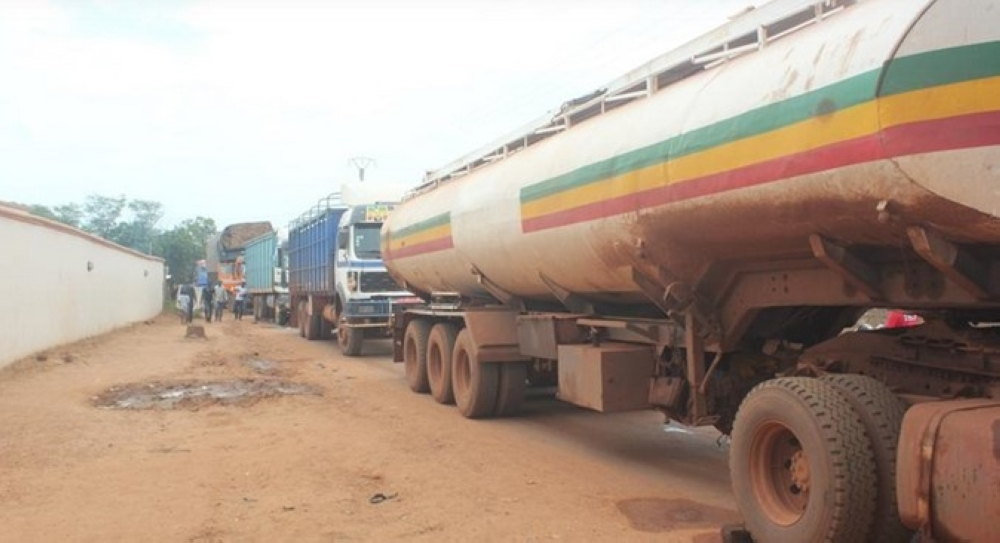
In a new escalation of hostilities in the Sahel region, at least 15 drivers were killed on Thursday in a deadly attack targeting a fuel tanker convoy in western Mali. The attack, which occurred on a vital route linking the Senegalese border to the Malian city of Kayes, was attributed to fighters belonging to Jama'at Nusrat al-Islam wal-Muslimin (JNIM), an al-Qaeda-linked group considered one of the most active jihadist groups in the region.
According to security and local sources, the militants intercepted the convoy and summarily executed the drivers at close range after blindfolding them, then set the tankers ablaze. A local radio station worker, quoting a local official, said, “We counted the bodies of 15 drivers left at the scene next to the burning tankers,” reflecting the brutality of the attack and a shift in the armed groups’ strategy.
General context: Blockade and supply cut-off strategy
This attack comes within the context of a broader strategy pursued by Jama'at Nusrat al-Islam wal-Muslimin (JNIM) since last September, which has involved imposing a siege on several key Malian cities, such as Timbuktu, with the aim of isolating them from the central government in Bamako. Attacks on supply convoys, particularly fuel tankers, are a key component of this strategy, designed to cripple the economy and exert pressure on both military and civilian authorities.
Last November, the group released a video declaring all tanker truck drivers to be “military targets,” a direct and explicit threat to vital supply lines. While drivers have been killed in previous attacks, this is the first time drivers have been summarily and directly executed in this manner, raising serious concerns among those working in the transport sector.
Importance and expected effects
This attack has serious repercussions at both the local and regional levels. Locally, targeting fuel convoys exacerbates the humanitarian and economic crisis in besieged areas, where shortages of basic necessities are increasing and vital services are disrupted. It also undermines public confidence in the Malian army's ability to secure main roads and protect civilians.
Regionally, the attack on the Kayes-Senegal border axis, one of the most important trade routes for landlocked Mali, threatens the stability of regional trade. This route is a vital economic artery for transporting goods to and from the port of Dakar. The expansion of attacks to include these strategic routes demonstrates the ability of armed groups to strike at the economic infrastructure of the entire region.
Following the incident, truck drivers, during a meeting with Malian authorities, demanded that the army intervene to secure the roads and retrieve the bodies of their colleagues that remained at the site of the attack, putting additional pressure on Mali's transitional government to reassert control over its vast territory.