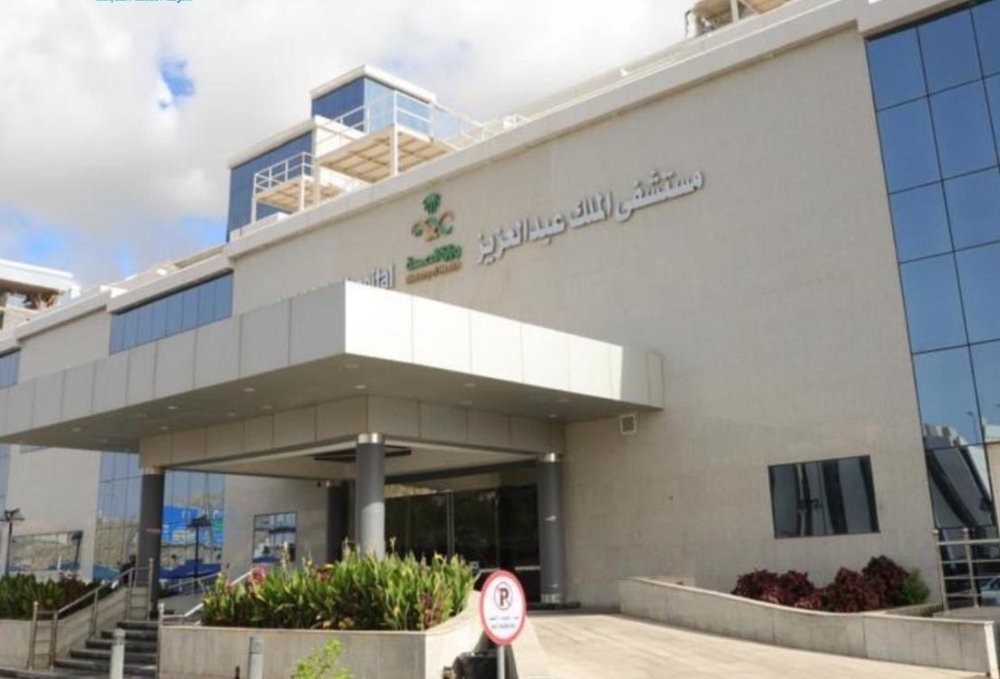
In a remarkable medical achievement, a specialized medical team at a hospital in Mecca successfully ended the suffering of a patient who had endured four years of severe and chronic leg inflammation, restoring his hope for a normal, pain-free life. The delicate surgery performed on the patient was a complete success, bringing to a close a difficult and painful treatment journey that had significantly impacted his quality of life and mobility.
The patient was suffering from a deep and persistent bacterial infection in the leg tissues, a complex medical condition that had worsened over the past four years. Despite frequent visits to numerous clinics and multiple treatments, including antibiotics, his condition had not improved significantly and had continued to deteriorate, causing him excruciating pain and swelling that prevented him from carrying out his daily activities normally.
Medical background and the importance of surgical intervention
Chronic inflammation in the extremities, especially that which reaches the bones (osteomyelitis), is among the most challenging conditions to treat, requiring precise diagnosis and specialized intervention. Traditional treatments often fail to completely eliminate the inflammatory focus, necessitating advanced surgical solutions. In this case, after conducting comprehensive examinations and diagnostic imaging, the medical team determined that surgical intervention was the optimal solution to remove the damaged tissue, thoroughly clean the affected area, and then reconstruct the tissue to ensure complete healing and prevent recurrence of the inflammation.
Reflection on the development of healthcare in the Kingdom
This medical success is not an isolated case, but rather a reflection of the significant development witnessed in the healthcare sector in Saudi Arabia, which is a key pillar of the Kingdom's Vision 2030. The Saudi government is investing heavily in developing the infrastructure of hospitals and medical centers, equipping them with the latest technologies, and attracting and training highly qualified national and international medical professionals.
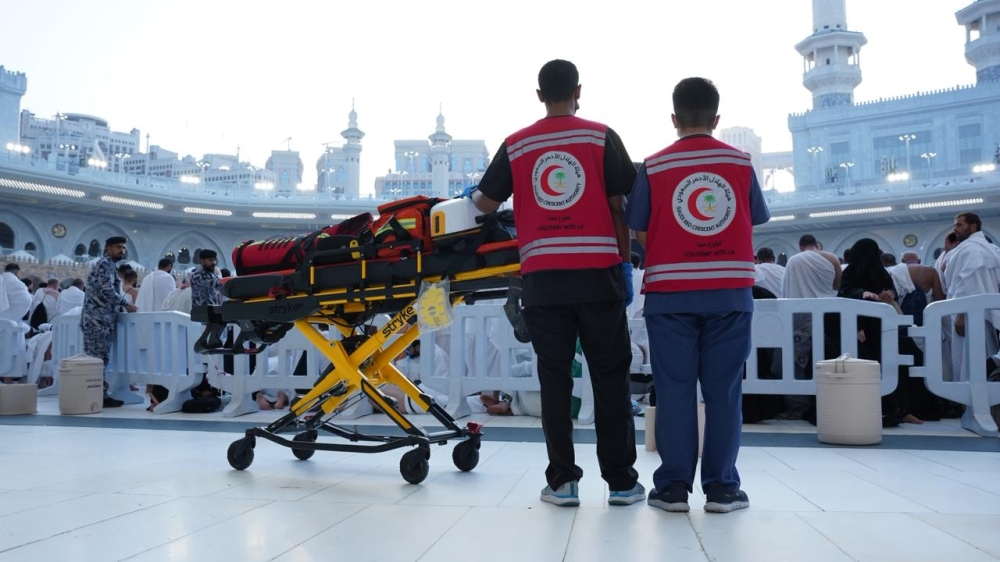
These achievements are particularly significant in the holy city of Mecca, which serves not only its residents but also millions of pilgrims performing Hajj and Umrah annually. The existence of a sophisticated healthcare system capable of handling complex and emergency medical cases reinforces the Kingdom's position as a safe and reliable destination and underscores its commitment to providing the highest levels of care for pilgrims, ensuring their safety and well-being during their rituals.
This achievement demonstrates the ability of the local health system, represented by the Makkah Health Cluster, to achieve medical results that match global standards, thus enhancing the confidence of citizens and residents in the medical services provided to them within their country.