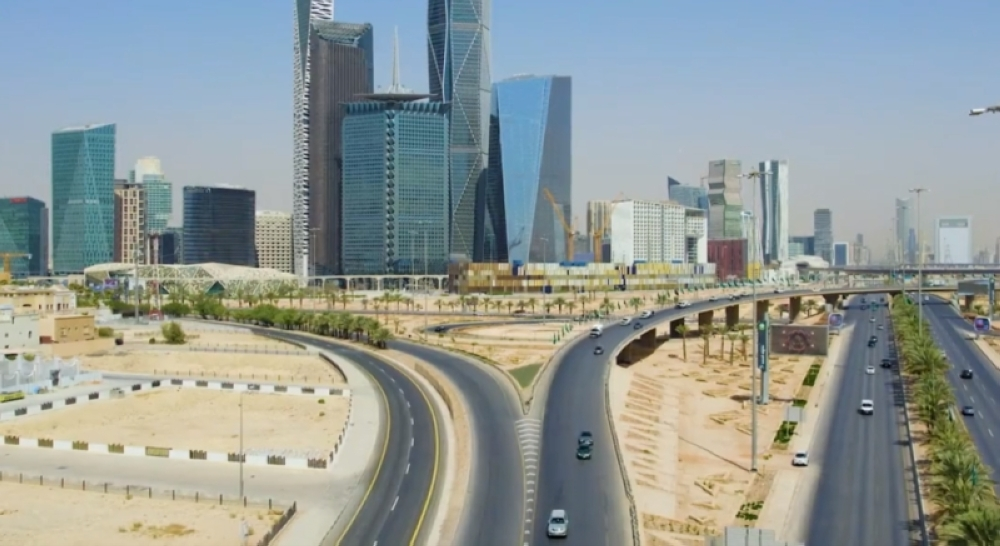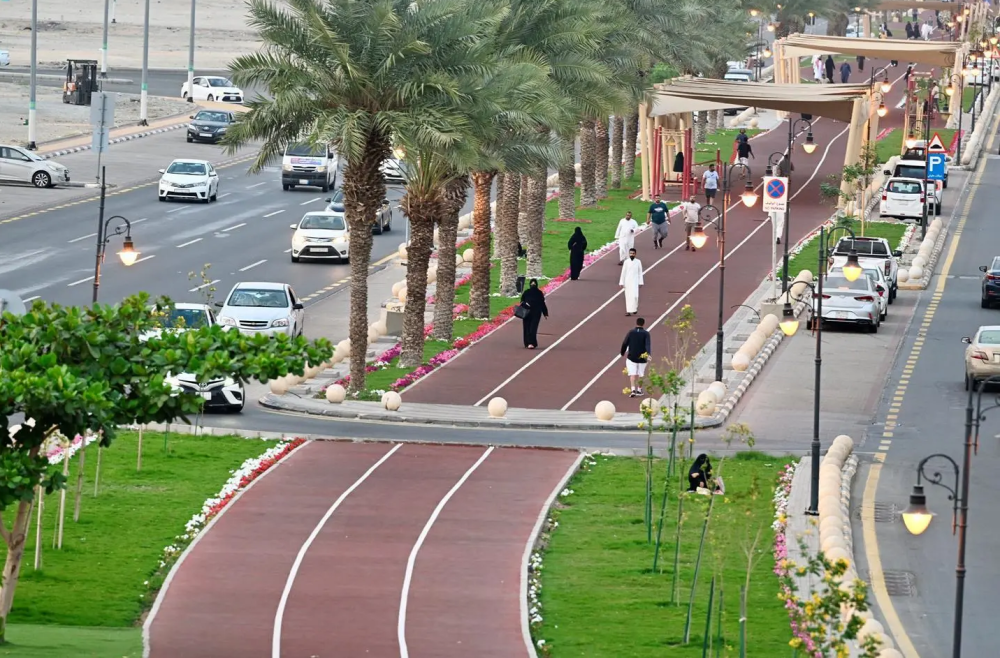
The Ministry of Municipal and Rural Affairs and Housing, represented by the Holy Capital Municipality, announced its readiness to receive pilgrims during Ramadan and Umrah for the year 1447 AH, through a comprehensive operational and service plan aimed at serving the guests of God and facilitating their spiritual experience. The plan includes maintenance and operation work on 16 bridges and 8 main roads, with the goal of ensuring smooth traffic flow and the safety of pilgrims and visitors in the holiest places on earth.
The plan's details included preparations to upgrade vital infrastructure networks, including the construction of a 22,515-meter-long tunnel network and 6,000 meters of service tunnels. Maintenance of bridges and main roads is a key component of these efforts to support traffic flow and facilitate pedestrian movement, especially during peak hours when there is high population density around the Grand Mosque and its surrounding areas.
A historical context of serving the guests of God
These efforts are part of a long history of the Kingdom of Saudi Arabia's exceptional care for the Two Holy Mosques and the pilgrims. With each religious season, especially during Ramadan, which sees the peak of the Umrah season, efforts are intensified to ensure the provision of the best possible services. Infrastructure development projects in Mecca are an integral part of a decades-long, ongoing strategy aimed at accommodating the increasing numbers of Umrah and Hajj pilgrims and facilitating the performance of their rituals with ease and tranquility.
The impact and importance of projects within Vision 2030
The importance of these projects extends beyond their immediate local impact, playing a vital role in achieving the goals of Saudi Vision 2030, which aims to increase the capacity to receive pilgrims and improve the quality of services provided to them. Smooth traffic flow and safe roads and bridges not only contribute to providing a safe and comfortable spiritual experience for millions of Muslims worldwide, but also enhance the Kingdom's position as a leading religious destination capable of efficiently and effectively managing the largest human gatherings. These preparations also reflect the Kingdom's civilized image and reaffirm its unwavering commitment to serving Islam and Muslims.
Field efficiency and integrated logistical support
To implement this ambitious plan, the Secretariat mobilized a massive workforce of 13,549 employees, supported by a fleet of 912 vehicles and equipment. Particular attention was given to the central area surrounding the Grand Mosque, due to its high density, with 2,100 personnel and over 430 pieces of equipment dedicated to its service. As part of maintaining cleanliness and public health, more than 47,900 waste containers were distributed throughout the area to ensure continuous cleaning and environmental sanitation efforts around the clock. The Ministry affirmed its ongoing field monitoring to guarantee the sustained efficiency of municipal services and enhance operational reliability throughout the holy month.