A comprehensive health plan for the Umrah season during Ramadan
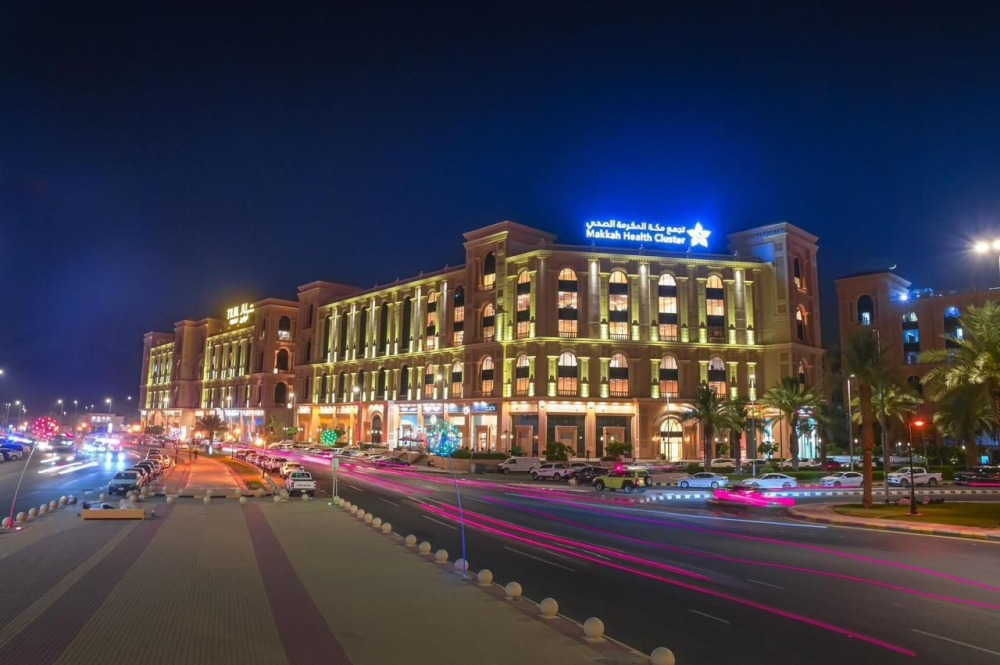
The Makkah Health Cluster announced its readiness for the holy month of Ramadan, implementing a comprehensive operational plan to provide the highest quality healthcare services to pilgrims, visitors, and residents of Makkah. The plan includes fully equipping 10 hospitals and 82 health centers to ensure the health and safety of the millions expected to arrive during the holy month.
Historical context and the importance of seasonal preparations
The Kingdom of Saudi Arabia, as the Custodian of the Two Holy Mosques, places paramount importance on serving pilgrims performing Hajj and Umrah. Preparations for Ramadan and Hajj are an established annual process, built upon decades of experience in crowd management and healthcare provision within a unique environment. The month of Ramadan coincides with the peak of the Umrah season, as millions of Muslims from around the world converge on Makkah, creating significant logistical and health challenges. These extensive preparations are part of the Kingdom's commitment to ensuring a safe and healthy environment that enables pilgrims to perform their rituals with peace and tranquility.
Details of the operational plan for health facilities
The operational plan overseen by the Makkah Health Cluster, in coordination with the Ministry of Health, includes raising the level of preparedness across all facilities. Hospitals and health centers surrounding the Grand Mosque operate 24/7, most notably the Haram Hospital located in the northern courtyards, and three advanced emergency centers distributed throughout the Haram to provide immediate response to emergencies. To facilitate access to services, five mobile clinics equipped with fully integrated medical teams have been deployed in the central area and at the entrances to Makkah to provide primary healthcare. Isolation rooms have also been established in all hospitals to handle any infectious diseases, and bed capacity and critical care units have been increased to address any emergencies.
Impact and importance at both the local and international levels
The importance of these preparations extends beyond the local level to encompass international and regional dimensions. Locally, these efforts ensure the health of citizens, residents, and visitors alike, and prevent disease outbreaks. Internationally, the Kingdom's success in managing this massive human gathering reinforces its position as a leader in the Islamic world and presents a positive image of its organizational capabilities. Furthermore, providing high-quality healthcare to visitors from around the globe is a humanitarian duty and a global responsibility to prevent the spread of epidemics, aligning with the goals of the Kingdom's Vision 2030, which aims to enhance the experience of pilgrims and increase the capacity to accommodate them.
Integration of roles and specialized care network
The health cluster operates with high efficiency to ensure the transfer of patients between hospitals according to their medical condition and as quickly as possible. King Abdullah Medical City is the referral hospital for complex cases such as heart attacks and strokes, and patients are transferred there within a global timeframe to ensure the best possible outcomes. Other major hospitals participating in this system include Al-Noor Specialist Hospital, King Faisal Specialist Hospital, King Abdulaziz Medical City, Heraa General Hospital, Ajyad Hospital, and the Maternity and Children's Hospital, all working in close coordination to provide comprehensive and integrated care.