A qualitative leap in healthcare in Makkah
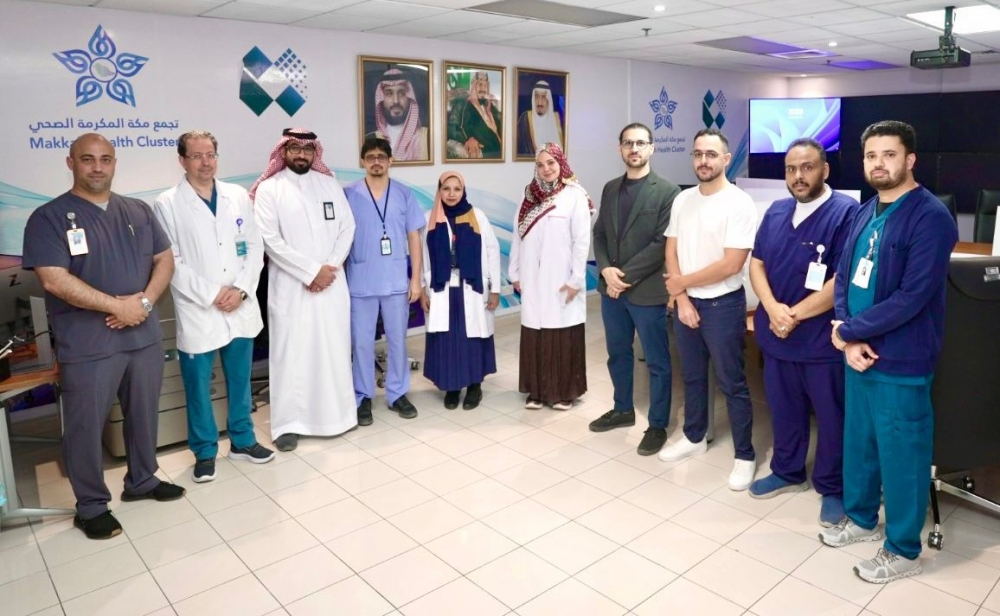
In a pioneering step aimed at enhancing patient safety and improving the efficiency of healthcare services, King Abdullah Medical City, a member of the Makkah Health Cluster, announced the launch of the “Enara” smart platform. This innovative project represents a proactive system for monitoring heart attack patients after they undergo catheterization procedures and are discharged from the hospital, relying on the latest digital solutions to ensure the continuity of high-quality healthcare.
General context: Digital transformation in the Saudi healthcare sector
The launch of the “Enara” platform comes at a time when the Kingdom of Saudi Arabia is undergoing a comprehensive transformation across all sectors, most notably the healthcare sector, in line with the objectives of Vision 2030. The Vision aims to build an effective and sustainable healthcare system based on technology and innovation to improve quality of life. Cardiovascular diseases are among the most prominent health challenges globally and in the Kingdom, requiring close and continuous follow-up after treatment interventions to prevent complications. This underscores the importance of technological solutions like “Enara,” which bridges the gap between inpatient care and home-based follow-up, representing a practical application of the smart healthcare model.
How the “Enara” smart platform works
The “Enara” platform relies on an intelligent voice monitoring system that communicates regularly with patients in their homes. Through a sophisticated interactive mechanism, the system presents structured clinical questionnaires to monitor any symptoms that may arise. These symptoms include assessing chest pain, shortness of breath, fever, or any potential complications at the catheter insertion site. The system is distinguished by its ability to differentiate between expected and normal post-procedure symptoms and warning signs that require immediate medical intervention.
If any danger indicator is detected, the system immediately directs the patient to the nearest emergency department, and at the same time sends a direct notification to the specialized medical team to follow up on the case and ensure a rapid response, thus reducing the time of crucial intervention in emergency cases.
The importance and expected impact of the project
The significance of this project lies in its multifaceted impact. Locally , it will contribute to improving treatment outcomes for cardiac patients in Mecca, reducing readmission rates, and alleviating the burden on emergency departments by triaging non-essential cases. Nationally , the project offers a model that can be replicated in other hospitals across the Kingdom, supporting the Ministry of Health's efforts in digital transformation and the implementation of modern care models. Internationally , this initiative positions the Kingdom among the leading nations utilizing artificial intelligence and digital solutions to address chronic diseases and sharing its expertise in telemedicine.
The medical city confirmed that the pilot project targets between 20 and 30 patients, with precise performance indicators including patient satisfaction and the platform's contribution to reducing unnecessary emergency room visits. The project highlights the pivotal role of nursing in reviewing high-risk alerts and translating them into rapid clinical intervention, emphasizing that this technology is a tool to support traditional care, not replace it.