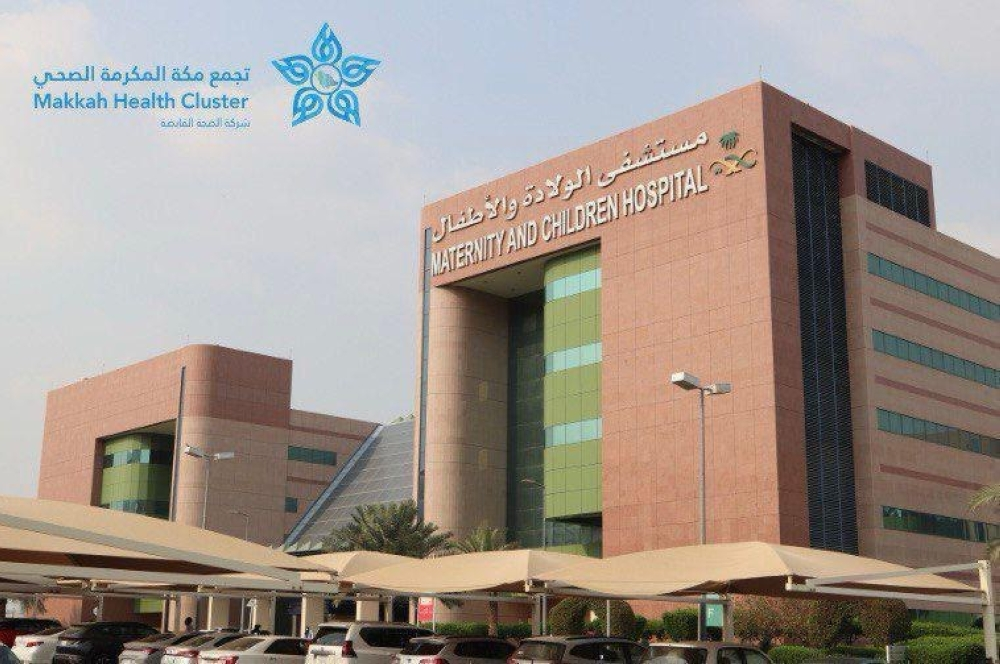
The Pharmacy Department at the Maternity and Children's Hospital in Makkah, a key component of the Makkah Health Cluster, has achieved a significant leap in its services to beneficiaries, having dispensed 172,296 prescriptions during 2025. This achievement coincides with the renewal of the hospital's clinical accreditation, reflecting the facility's commitment to applying the highest standards of quality and efficiency in pharmaceutical practices, and highlighting the vital role played by the health sector in the Holy City.
Details of operational performance and service distribution
In the details of the statistics announced by the Makkah Health Cluster, the data showed high accuracy in the distribution of services to cover all patient needs, as the central pharmacy and the intravenous solutions pharmacy topped the list by dispensing 101,736 prescriptions, followed by the emergency pharmacy, which dealt with 37,800 prescriptions to ensure a rapid response to urgent cases, in addition to 28,620 prescriptions that were dispensed through the outpatient clinics pharmacy, which confirms the high readiness of the medical and pharmaceutical teams.
Digital transformation and keeping pace with Vision 2030
These figures are not merely about traditional dispensing processes, but rather reflect a fundamental transformation in the healthcare model in Saudi Arabia, in line with Vision 2030. The hospital has witnessed the widespread implementation of modern technologies, including self-service dispensing machines in inpatient wards and the use of the "Raqeeb" electronic system, which facilitated the dispensing of 4,140 prescriptions. These steps are part of the Ministry of Health's digital transformation strategy, which aims to reduce human error, expedite procedures, and comprehensively improve the patient experience, making healthcare services more accessible and convenient for citizens, residents, and visitors to the Holy Mosque.
Drug safety: the first line of defense
As part of strengthening the medication safety system, pharmacists played a pivotal role that extended beyond dispensing medication to include clinical auditing and review. Pharmacists successfully identified and corrected more than 1,620 medication-related issues before they reached patients. This proactive intervention reflects the importance of clinical pharmacy in preventing drug interactions and potential side effects, and it is a fundamental pillar of the international quality standards that Saudi healthcare facilities adhere to in order to ensure the safe and effective use of medications.
Logistics services and continuous development
To enhance patient convenience, 7,950 patients benefited from the medication delivery service, a high-quality service that delivers medications to patients' homes. This reduces overcrowding within the hospital and saves time and effort for patients, especially those with chronic illnesses. On the professional development front, these efforts culminated in the renewal of the accreditation for the hospital's Clinical Pharmacy Residency Program until 2025, reaffirming the hospital's position as a leading training and educational environment that contributes to graduating qualified national professionals capable of leading the future of the healthcare sector.