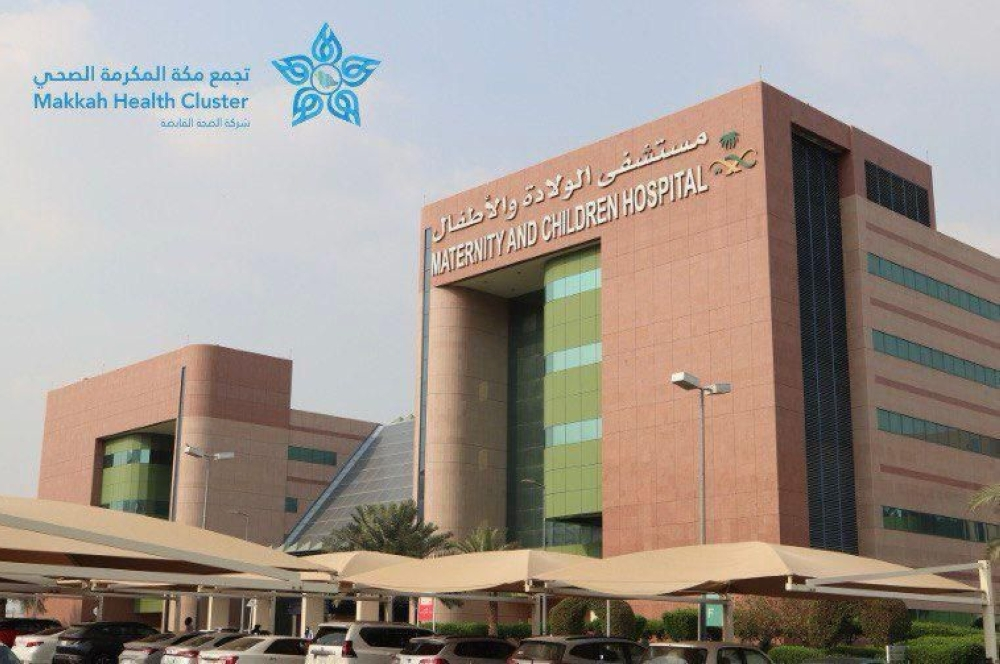
أعلن مستشفى الولادة والأطفال في مكة المكرمة، العضو البارز في تجمع مكة المكرمة الصحي، عن تحقيق إنجاز لافت في مجال الخدمات التشخيصية، حيث قدم قسم الأشعة خدماته لأكثر من 66,544 مستفيداً خلال العام الماضي 2023م. وبلغ إجمالي الفحوصات الإشعاعية التي أجريت 86,084 فحصاً، مما يعكس التطور الكبير في القدرات التشخيصية للمستشفى والتزامه بتقديم رعاية صحية عالية الجودة.
السياق العام: تطور الرعاية الصحية في ظل رؤية 2030
يأتي هذا الإنجاز في سياق التحول الشامل الذي يشهده القطاع الصحي في المملكة العربية السعودية، والذي يعد أحد الركائز الأساسية لرؤية المملكة 2030. تهدف الرؤية إلى بناء نظام صحي فعال ومستدام يضمن توفير الرعاية الصحية الشاملة لجميع المواطنين والمقيمين. ويعتبر إنشاء التجمعات الصحية، مثل تجمع مكة المكرمة الصحي، خطوة استراتيجية نحو تحقيق هذا الهدف، حيث يسهم في تعزيز الكفاءة التشغيلية، وتكامل الخدمات، وتحسين تجربة المريض. ويكتسب تطوير الخدمات الصحية في مكة المكرمة أهمية خاصة نظراً لدورها كوجهة لملايين الحجاج والمعتمرين سنوياً، مما يتطلب بنية تحتية صحية قوية وقادرة على الاستجابة لأي طارئ.
تفاصيل الخدمات المقدمة وأثرها
أوضح تجمع مكة الصحي أن الخدمات الإشعاعية تنوعت لتلبية مختلف الاحتياجات التشخيصية. وشملت القائمة 43,241 فحصاً للموجات فوق الصوتية، و37,800 فحص للأشعة السينية الثابتة، و2,151 فحصاً بالرنين المغناطيسي، بالإضافة إلى 1,917 فحصاً بالأشعة المقطعية و975 فحصاً بالتنظير الإشعاعي. هذه الأرقام لا تظهر حجم العمل فحسب، بل تشير أيضاً إلى مدى تطور التقنيات المستخدمة التي تضمن دقة التشخيص وسرعة الحصول على النتائج، وهو ما ينعكس إيجاباً على الخطط العلاجية للمرضى ويقلل من فترات الانتظار.
دور محوري في صحة الأم والطفل
يلعب قسم الأشعة دوراً حيوياً في دعم مسار “الولادة الآمنة”، وهو برنامج يهدف إلى ضمان سلامة الأم والجنين. فمن خلال فحوصات الموجات فوق الصوتية الدورية، يتمكن الأطباء من متابعة نمو الأجنة بدقة والكشف المبكر عن أي مشاكل محتملة. كما يقدم القسم خدمات تشخيصية متقدمة لحالات تأخر الحمل، مثل فحص الأشعة الصبغية للرحم وقنوات فالوب. ولا تقتصر خدماته على الأمهات، بل تمتد لتشمل الأطفال منذ الولادة وحتى سن 14 عاماً، مع توفير دعم تشخيصي على مدار الساعة للحالات الطارئة، مما يجعله ركيزة أساسية في منظومة الرعاية الصحية للأم والطفل في المنطقة.
إن هذه الإنجازات تؤكد مضي مستشفى الولادة والأطفال بمكة المكرمة بخطى ثابتة نحو تحقيق مستهدفات رؤية المملكة 2030 في القطاع الصحي، عبر رفع كفاءة الخدمات التشخيصية، وتسهيل وصول المستفيدين إليها، مع الالتزام الصارم بأعلى معايير الجودة وسلامة المرضى في جميع مراحل الرعاية الصحية.