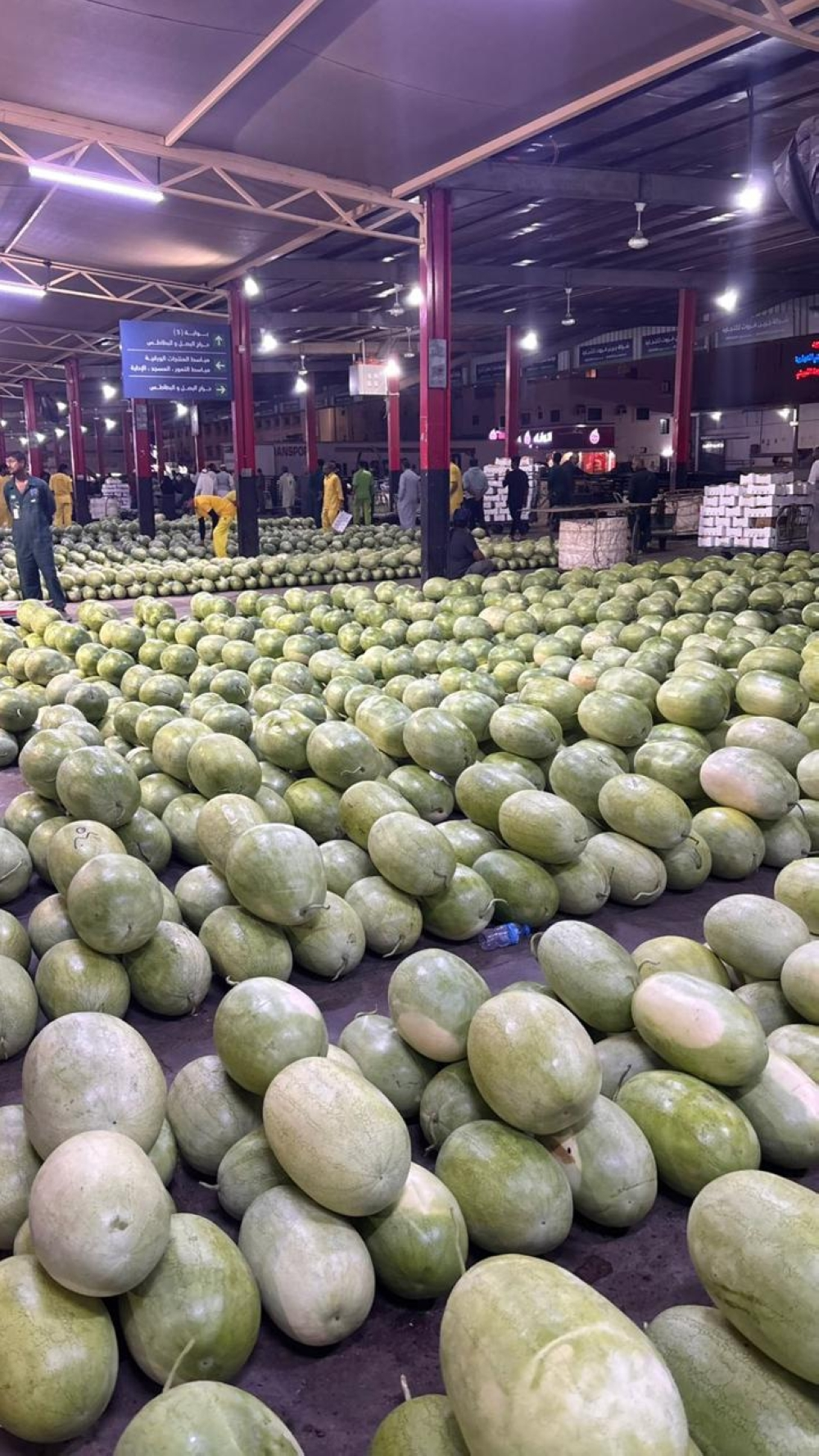
The Ministry of Environment, Water and Agriculture has mobilized its monitoring and inspection teams to ensure the readiness of Makkah's markets and slaughterhouses in anticipation of Eid al-Fitr 1447 AH. This proactive step, under the slogan "Our Markets Are Abundant with Goodness," aims to guarantee the availability of food commodities, control prices, and ensure the safety of food provided to citizens, residents, and visitors to the Holy Mosque. The Holy City is preparing to welcome the Eid holidays amidst growing economic activity, reflecting the dynamism of Makkah's markets and their remarkable ability to respond to major religious seasons that witness a high influx of pilgrims and visitors.
The historical and economic importance of the markets of Mecca
Historically, Mecca has been a major commercial and cultural hub for centuries, its markets serving as a vital artery for the caravans of pilgrims. Over time, these traditional markets have transformed into a modern economic system governed by the highest standards of oversight and quality control. Managing crowds and ensuring food security during peak seasons, such as Ramadan and Eid al-Fitr, is not a recent development, but rather an extension of a long-standing tradition of providing water and food to pilgrims. This tradition has been translated in the modern era into government institutions working around the clock to guarantee the sustainability of food resources and provide the best possible services to the guests of God, thus reinforcing the Kingdom of Saudi Arabia's position as a leading model in managing religious seasons.
The strategic impact of regulating local and regional markets
The impact of these intensive regulatory efforts extends beyond the local level to encompass regional and international dimensions. Locally, these measures contribute to protecting consumers from price fluctuations and ensuring their access to safe and healthy products, thus enhancing social and economic stability. Regionally and internationally, the Kingdom's success in managing and securing food for millions of visitors from around the world reflects the efficiency of Saudi infrastructure and the strength of its supply chains. This success sends a reassuring message to the entire Islamic world about the ability of the relevant authorities to provide a healthy and safe environment, which positively impacts the Kingdom's global image.
Intensifying oversight efforts to ensure consumer safety
In this context, Engineer Waleed Al-Daghis, Director General of the Ministry of Environment, Water and Agriculture branch in the region, emphasized the intensification of monitoring and awareness efforts across all governorates within the region. He explained that the primary objective is to provide a healthy and safe environment for consumers. These intensive field visits include livestock markets, fruit and vegetable shops, and meat markets, with a direct and rigorous focus on price control and preventing any monopolistic practices, in addition to thoroughly verifying the quality of food products offered for sale. The Ministry has launched the "Our Markets Are Abundant with Goodness" campaign to ensure the availability of essential goods in ample quantities to meet the growing needs of residents and visitors, while ensuring their full compliance with approved health standards.
Field reports and maximum readiness of slaughterhouses
On the ground, reports from the relevant committees indicated that all slaughterhouses in the region were prepared to receive citizens and residents from the early morning hours of Eid. Meticulous organizational plans were put in place to facilitate the smooth and efficient handling and delivery of slaughtered animals, thus avoiding overcrowding and minimizing waiting times. The Director General noted that a fully integrated technical and medical team, including a select group of veterinarians, assistants, supervisors, and qualified butchers, was assembled. This preparedness ensures that the slaughterhouses operate at maximum capacity under the supervision of specialized oversight committees that ensure the highest quality standards are met.
Veterinary inspection and the sustainability of community oversight
The Ministry emphasized the critical importance of thorough veterinary inspection of carcasses, both before and after slaughter, to ensure their safety and freedom from any diseases that could affect public health. It called upon all consumers to cooperate and report any observations or violations through official channels. The Ministry also noted that these intensified monitoring efforts are not limited to the Eid period but are an integral part of a sustainable, year-round strategy to enhance community oversight. Al-Daghis concluded by affirming that the combined efforts aim primarily to ensure easy access to fresh meat and safe food products, thereby supporting and solidifying Makkah's position as a vibrant spiritual and economic center.