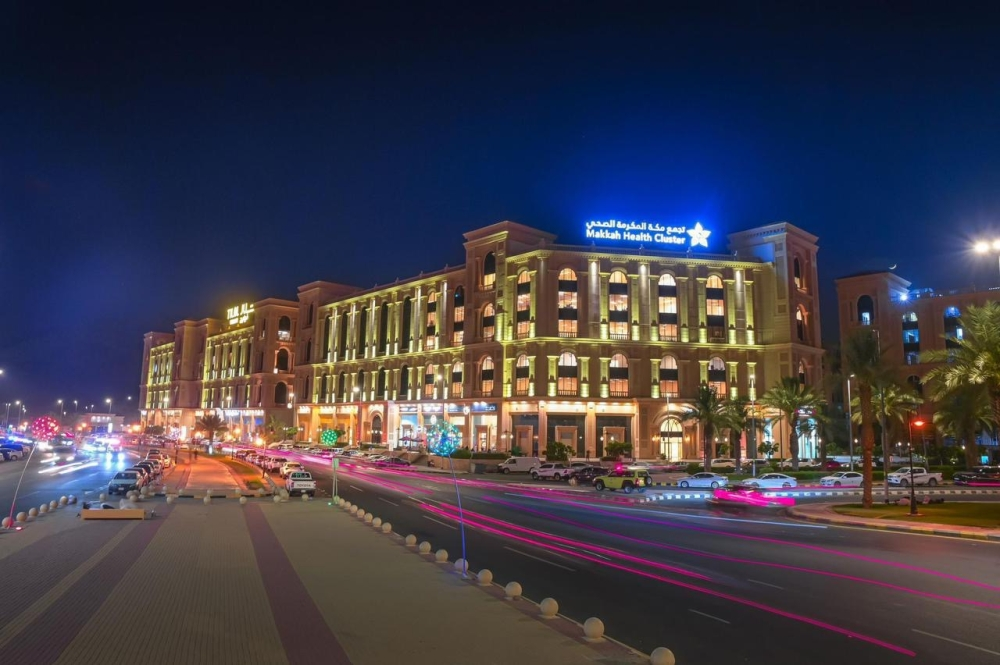
In a move reflecting the success of healthcare transformation strategies in Saudi Arabia, the Makkah Health Cluster announced a significant increase in the number of beneficiaries of primary healthcare services, with total visits exceeding 3 million by 2025. This record figure is not merely a statistic, but a vital indicator of the healthcare system's efficiency and its ability to meet growing demand while maintaining high-quality services.
Rapid growth in numbers
Official statistics released by the cluster revealed that the total number of visits reached 3,013,063 by the end of 2025, marking a significant increase compared to 2024, which saw 2,463,446 visits. This difference of 549,617 visits represents a growth rate of 22.3% , reflecting the success of operational expansion plans and increased capacity at health centers throughout the Holy City of Mecca.
The context of health transformation and Vision 2030
This achievement comes within the framework of the Health Sector Transformation Program, a pillar of the Kingdom's Vision 2030, which aims to restructure the health sector into a comprehensive, efficient, and integrated healthcare system. Primary care centers are the cornerstone of this model, serving as the first line of defense and the main gateway for beneficiaries to access healthcare services. Focusing on strengthening primary care directly contributes to alleviating pressure on referral and specialized hospitals and promotes the concepts of preventive medicine and early disease detection.
The most active centers in Mecca
The map of healthcare services distribution in Mecca has witnessed significant activity in several neighborhoods, reflecting a well-planned geographical distribution of population density. The following centers topped the list:
- Al-Shara’i Health Center (7): Leading with 218,996 beneficiaries.
- Al-Zaher Health Center: with 143,094 beneficiaries.
- Al-Aziziyah Health Center: 137,459 visits.
- Al-Nawariyah Health Center: 132,075 visits.
Other centers also recorded significant numbers, such as Hadaa, Al-Jumoum, Al-Kaakiyah, Al-Hindawiyah and Al-Sharqiyah, which confirms the comprehensiveness of health coverage for various parts of Makkah Al-Mukarramah.
Strategic importance and expected impact
This growth in Makkah is of particular importance given the city's unique geographical and religious significance. Developing primary healthcare infrastructure not only serves the resident population but also enhances the healthcare preparedness of pilgrims performing Umrah and Hajj. A robust network of advanced healthcare centers strengthens health security and ensures a rapid and effective response to any health emergencies, aligning with the objectives of the Hajj and Umrah Service Program.
Improving the user experience and digital services
The Makkah Health Cluster has bolstered this growth by enhancing the patient experience through expanding online booking services via approved government applications and reducing waiting times. The cluster affirmed its commitment to continuing the development of its digital and physical infrastructure and enhancing the efficiency of its medical and administrative staff to ensure the sustainability of these positive results and provide healthcare that meets the aspirations of the leadership and the citizens.