In a strategic move aimed at redirecting the focus of development work in the Kingdom, the second forum of associations in the governorates and villages of the Makkah region revealed a troubling reality: the allocations for impact measurement in many non-profit organizations do not exceed 5% of their total budgets. This meager figure highlights one of the most significant challenges hindering the non-profit sector's progress toward achieving efficiency and sustainability, especially given the sector's rapid expansion and its growing pivotal role in realizing the goals of Saudi Vision 2030.
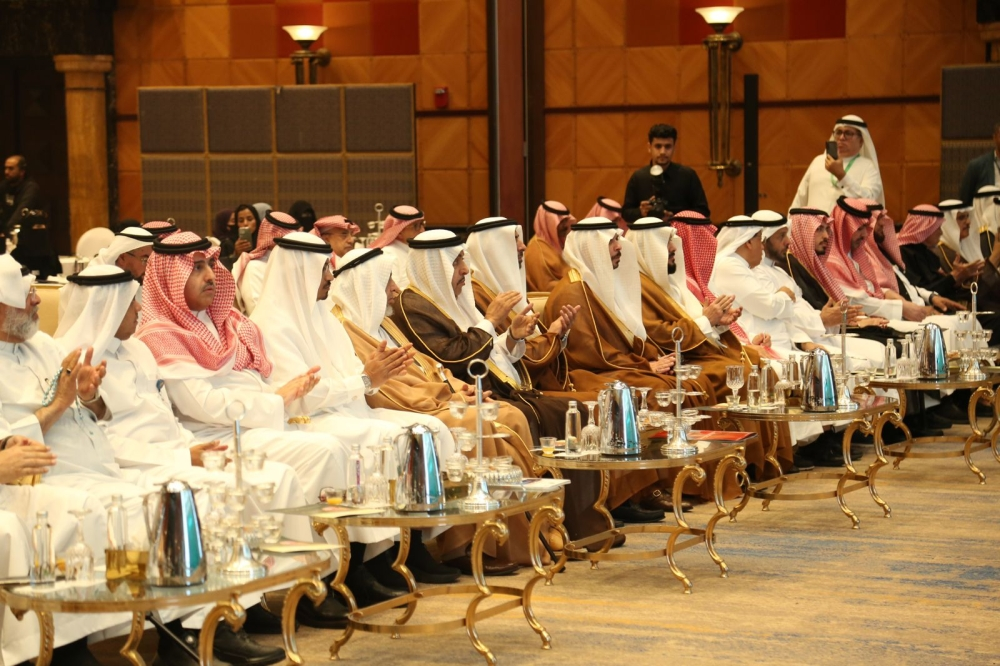
This announcement came during the launch of the forum held in Jeddah under the theme "From Impact to Sustainability," under the patronage of His Royal Highness Prince Saud bin Mishaal bin Abdulaziz, Deputy Governor of Makkah Region. The forum witnessed broad participation, including more than 300 non-profit organizations, along with leading figures in the sector, decision-makers, and donors, reflecting the great importance the leadership places on developing this vital sector.
General context: The non-profit sector is at the heart of Vision 2030
This forum comes at a pivotal time for the non-profit sector in Saudi Arabia, which is undergoing a radical transformation. Since the launch of Vision 2030, non-profit organizations are no longer viewed merely as traditional charitable entities, but as essential strategic partners in national development. The Vision aims to increase the non-profit sector's contribution to GDP from less than 1% to 5% by 2030 and to boost the number of volunteers to one million. This national ambition requires organizations to shift from a model of providing short-term aid to adopting sustainable development projects with measurable impact, which is the core message of the Makkah Forum.
The importance of measuring impact and its expected effect
The forum aims to bring about a qualitative shift in the performance of associations by building an integrated system for impact measurement. Without accurate measurement, development efforts become haphazard and unable to demonstrate their effectiveness to both donors and beneficiaries. To achieve this, the forum focused on empowering associations, particularly rural ones, with modern and internationally recognized measurement tools such as Key Performance Indicators (KPIs) Social Return on Investment (SROI) methodology , and the Theory of Change . Adopting these tools not only enhances transparency and accountability but also improves the ability of associations to design more effective programs and direct resources toward initiatives that achieve the greatest possible impact.
Locally, this transformation will improve the quality of life in the governorates and villages of the Makkah region. Nationally, the success of this initiative will serve as a model that can be replicated across the Kingdom, accelerating the achievement of the Vision's goals related to the non-profit sector. Internationally, this approach will enhance the standing of the Saudi non-profit sector on the global stage and open new avenues for partnerships with international organizations.
Challenges and practical solutions
The forum acknowledged the significant challenges facing associations, including weak technological infrastructure for data collection, the lack of standardized measurement frameworks, and a shortage of specialized expertise. To address these challenges, Professor Khalid bin Ahmed Al-Osaimi, CEO of the Tanmia Association, explained that the forum's program was designed to offer practical solutions through specialized workshops and dialogue sessions. He emphasized that the forum aims to establish a collaborative learning environment that facilitates the exchange of experiences, the standardization of concepts, and the alignment of development outcomes with approved national indicators.
The forum also witnessed the signing of strategic agreements and showcased more than 10 inspiring success stories from rural associations, providing practical and applicable models. The forum is also working on a recommendations document to be submitted to official bodies with the aim of adopting a unified national framework for impact measurement, which could represent a historic turning point in the Kingdom's development efforts.