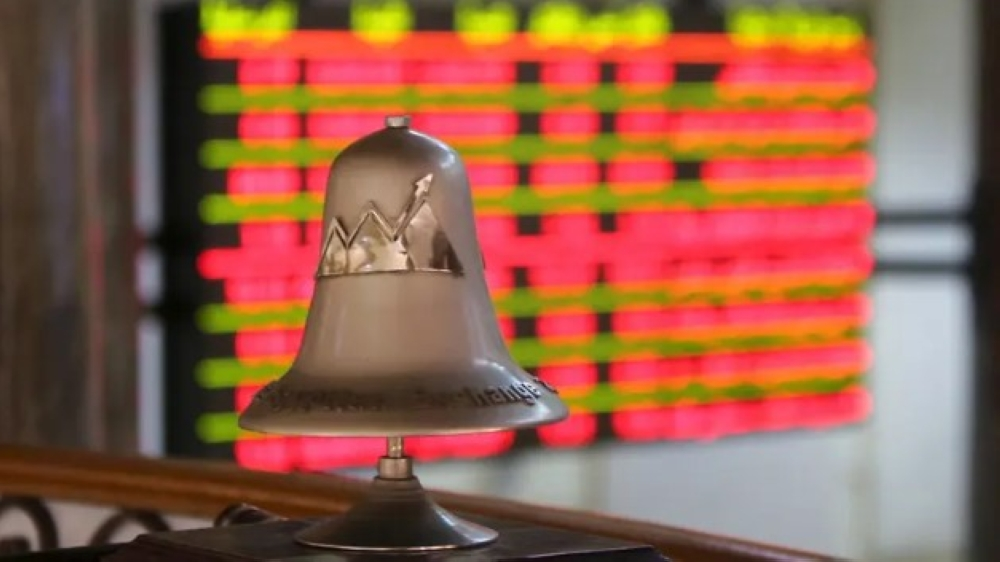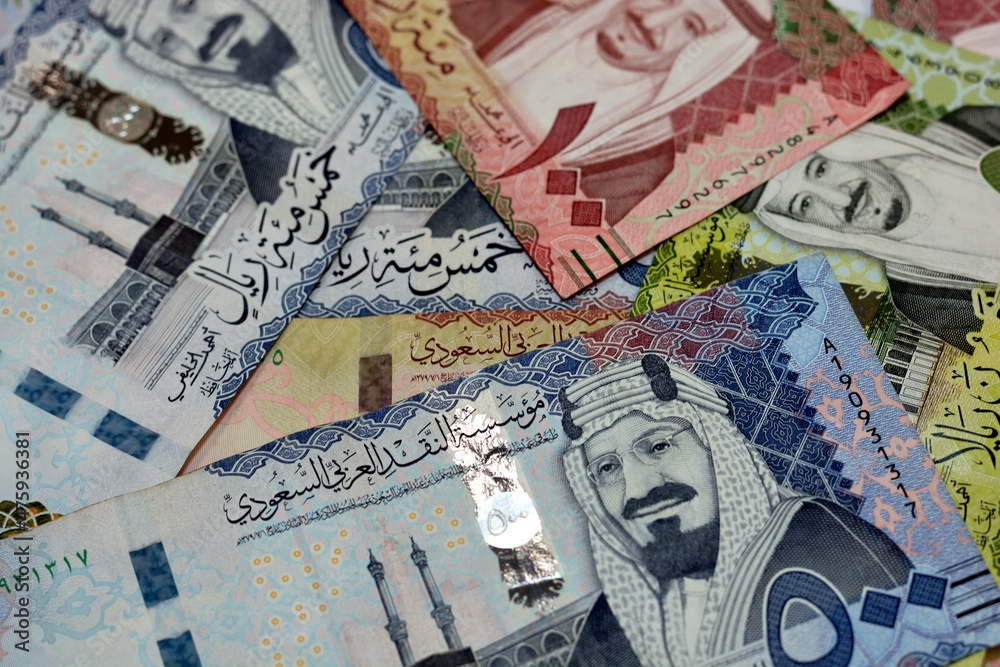
As the blessed month of Ramadan approaches, Mecca transforms into a hive of activity, with its markets and service sectors experiencing a surge in economic activity that reflects its profound religious significance as the heart of the Islamic world. Preparations are accelerating across all sectors to welcome the millions of pilgrims and visitors who flock to it from every corner of the globe, creating a seasonal economic cycle that is arguably the most important of the year.
Historical background: Trade and worship in the heart of Mecca
Mecca has never been solely a city of worship; since the dawn of history, it has been a vital commercial center. A major stop on ancient caravan routes, its importance grew with the rise of Islam. This historical connection between religious observances and commercial activity is most evident during major religious seasons such as Ramadan and Hajj. The commercial activity not only serves the city's residents but also caters to the needs of pilgrims, becoming an integral part of their spiritual and economic experience.
Recovery affecting all sectors
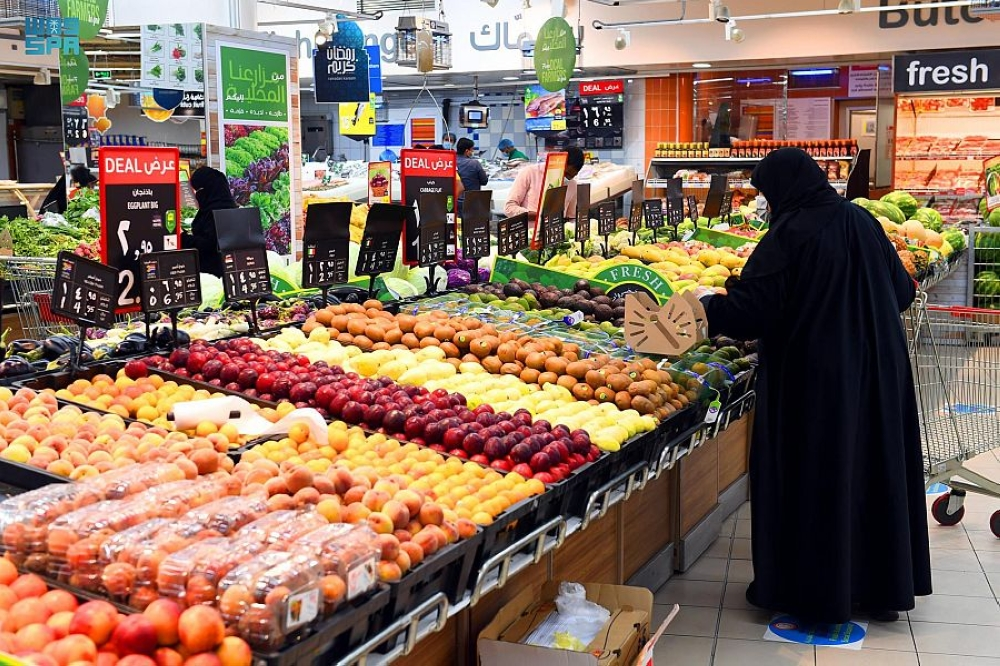
During a field visit, the Saudi Press Agency (SPA) observed a noticeable recovery across multiple sectors. The retail and food sectors are witnessing a surge in activity, with increased demand for essential consumer goods such as dates, Ramadan beverages, and hospitality items that grace Makkah's tables. Shopping centers and stores are launching special promotions for the holy month to incentivize consumers and attract a larger number of shoppers, both residents and visitors.
In the hospitality sector, early booking rates are rising significantly, particularly in hotels and furnished apartments located in the central area surrounding the Grand Mosque. Occupancy rates are expected to peak during the first days of Ramadan, driven by the influx of pilgrims from within the Kingdom and abroad to perform Umrah and pray at the Holy Mosque.
Economic importance and expected impact
The Ramadan season is a major driver of the local economy in Mecca, supporting small and medium-sized enterprises (SMEs) and providing thousands of seasonal jobs in the transportation, logistics, catering, and retail sectors. Nationally, this activity contributes to achieving the goals of Saudi Vision 2030, which aims to diversify income sources, enhance the religious tourism sector, and increase the capacity to serve pilgrims. Internationally, this season reinforces the Kingdom's position as a global religious destination and contributes to the influx of foreign currency, thus supporting the national economy as a whole.
Supervisory efforts to ensure the safety of pilgrims
Concurrently with this commercial activity, relevant authorities, primarily the Holy Capital Municipality, are intensifying their oversight efforts to ensure the quality and safety of services and products offered. The Municipality explained that its field teams are conducting extensive inspections of markets, shopping centers, restaurants, and kitchens to verify the suitability of food products, storage methods, the safety of preparation equipment, and the establishments' compliance with health and municipal regulations. These ongoing campaigns aim to provide a healthy and safe environment befitting the sanctity of the place and time, and to guarantee the comfort and safety of residents and visitors.