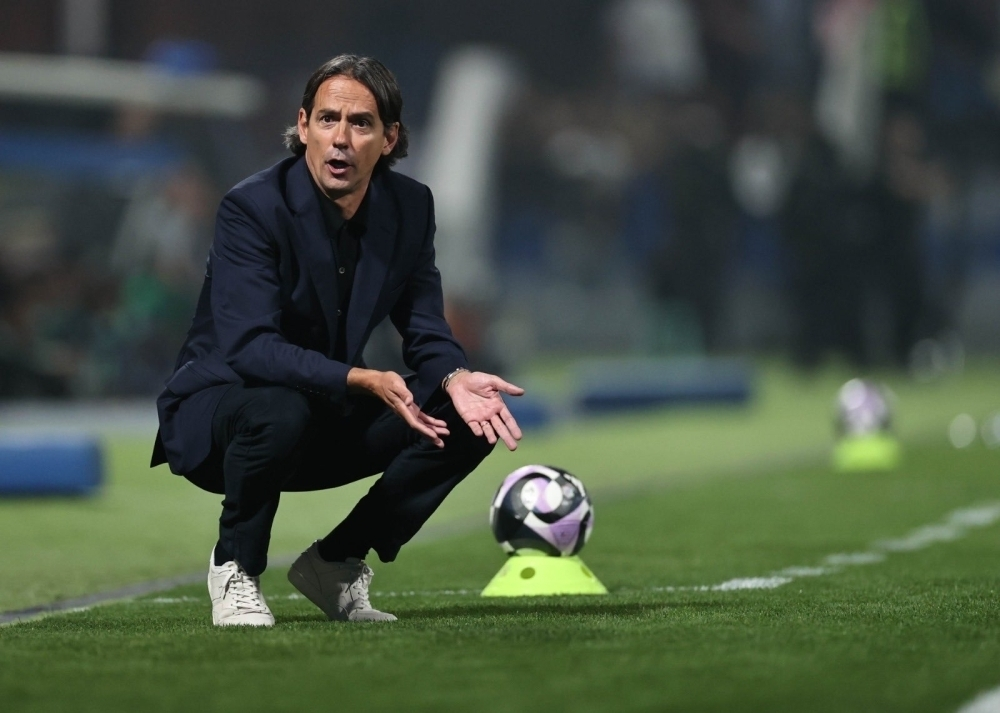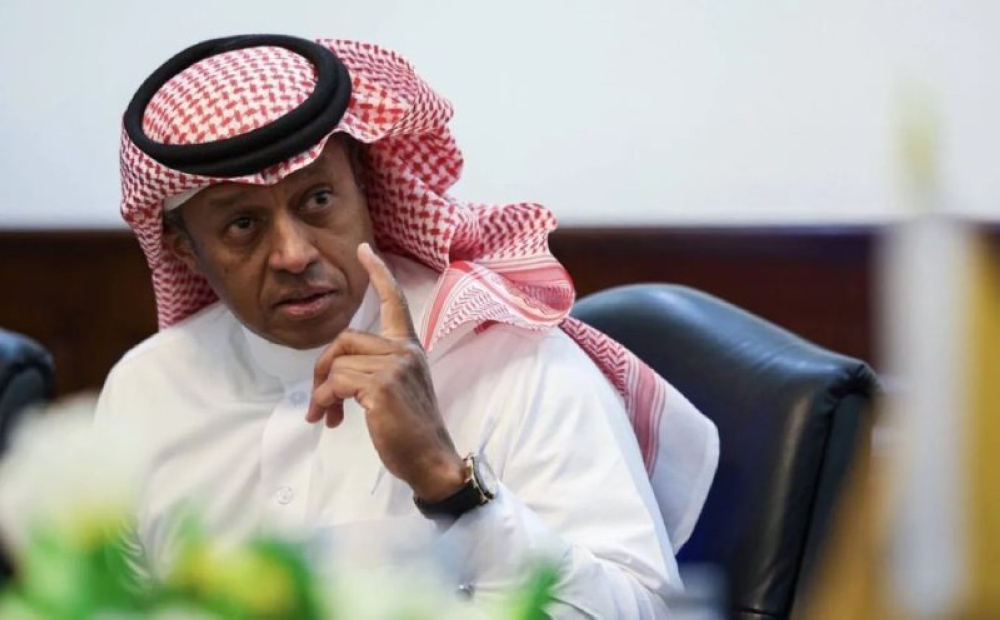
Majed Al-Jamaan, the former CEO of Saudi Arabia's Al-Nassr FC, launched a scathing attack and unprecedented criticism against the club's current management, commenting on the recent press release issued by the club's media center. Al-Jamaan deemed the language of the statement disappointing to Al-Nassr fans, describing it as vague, weak, and lacking the necessary firmness to defend the club's achievements and rights.
Lack of transparency and defense of gains
On his official social media account, Al-Jamaan expressed his astonishment at the poor quality of the statement, questioning the motives behind the failure to respond directly and explicitly to the serious accusations leveled against Al-Nassr by their traditional rival, Al-Hilal. He also strongly criticized the administration's failure to protect the team's coach and players, particularly Nawaf, who is subjected to systematic media campaigns and daily personal attacks on a sports program, in a manner he described as "personalized and shameful," especially given that the player represents the national team, which necessitates greater institutional support.
The context of the crisis and the scramble among clubs
In broadening the scope of criticism, Al-Jamaan pointed to a striking phenomenon in the recent Saudi sports scene: the collective boldness of rival clubs in targeting Al-Nassr. He cited the Al-Khaleej coach's comments about Al-Nassr's transfers, Al-Shabab's statement and their coach's attack in the press conference, culminating in the unprecedented move by Damac to issue a motivational statement to their fans specifically before their match against Al-Nassr. Observers believe this onslaught reflects a perception among rivals that Al-Nassr's administrative structure is weak, making the club an easy target for provocative statements. Al-Jamaan warned against this, saying, "The easiest thing today is to attack Al-Nassr.".
The importance of administrative firmness in modern football
These criticisms come at a time when Saudi football is undergoing major transformations and fierce competition, requiring club administrations with strong personalities and the ability to confront legal and media challenges. Al-Jamaan emphasized that the statement neglected to address the "unjust" refereeing errors that impacted the team's performance, questioning the effectiveness of resorting to insinuations instead of undeniable facts. He stressed that silence or weak responses do not serve the club's interests and may even push players and coaches to seek their rights individually, outside the club's framework—a dangerous indicator of a flaw in the administrative system.
Al-Jamaan concluded his speech with a strongly worded message to the decision-makers at the club, stressing that Al-Nasr Club, with its broad fan base and golden history, deserves a stronger administration, saying: “Our club is great and deserves better than this administrative weakness,” demanding that the course be corrected to preserve the prestige of the entity.