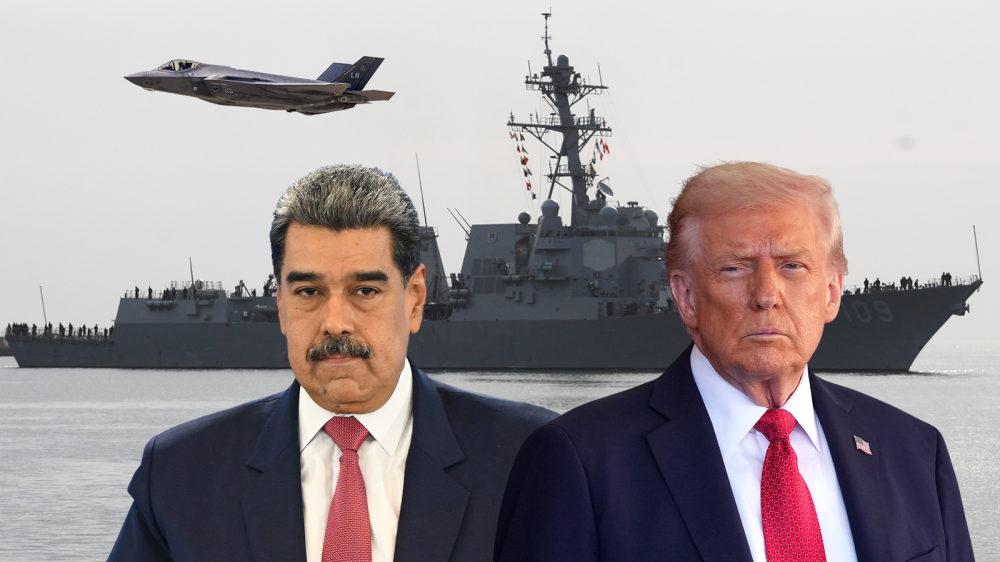
In a significant diplomatic move that could pave the way for a shift in the strained relations between Caracas and Washington, Venezuelan President Nicolás Maduro his readiness to open direct channels of dialogue with the United States. This announcement came during a televised interview broadcast on Thursday, in which Maduro affirmed that his country is open to discussing complex and vital issues, including combating drug trafficking, the energy sector, and joint economic agreements.
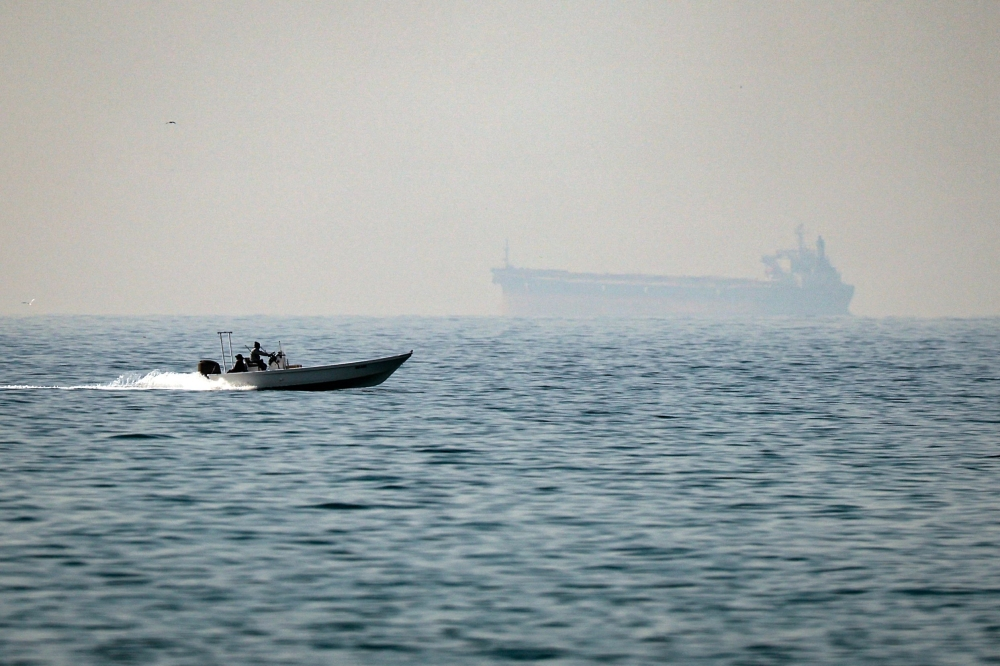
These statements come at a sensitive time, amid heightened geopolitical tensions in the region, with the United States exerting sustained pressure on the Venezuelan government, including deploying warships to the Caribbean to bolster surveillance and combat illicit activities. Speaking on state television channel VTV, Maduro said, "The U.S. government knows this very well, because we have conveyed this message through many of its spokespeople: if they want to discuss a serious and genuine agreement to combat drug trafficking, we are ready to do so immediately.".
The Chevron model and the future of energy
In discussing natural resources, the Venezuelan president brandished the oil card, the lifeblood of his country's economy and a focus of global markets. Maduro clearly indicated his desire to replicate and expand the existing cooperation model with the American company Chevron, one of the few companies permitted to continue limited operations in Venezuela despite sanctions.
Maduro stated, "If they want oil from Venezuela, Venezuela is ready to welcome American investment, just as it did with Chevron, whenever, wherever, and however they want." This statement reflects Caracas's desire to leverage American technology and capital to rehabilitate the crumbling infrastructure of Venezuela's oil sector, which possesses the world's largest proven reserves but is suffering from a sharp decline in production.
Background of the conflict and strategic importance
To understand the implications of this offer, one must consider the historical context of relations between the two countries, which have been marked by a diplomatic rupture and an escalation of economic sanctions, particularly those targeting Venezuela's state-owned oil company, PDVSA. Washington has consistently deemed the Maduro regime illegitimate, while Caracas accuses the United States of attempting to orchestrate coups and seize control of the country's resources.
However, current international developments and the need for stability in energy markets may present an opportunity to reassess the situation regarding Venezuelan oil supply. Economically, the return of Venezuelan oil to the global market at full capacity could contribute to price stability. From a security perspective, cooperation in combating drug trafficking in the Caribbean is a shared interest, as Venezuela is a key transit point, and Washington fears that these routes could be exploited to threaten its national security.
The question now is how serious the US administration is about taking these signals, and whether these statements could lead to a gradual easing of sanctions in exchange for political and security guarantees, or whether the crisis will remain at a standstill in light of the mutual lack of trust between the two sides.