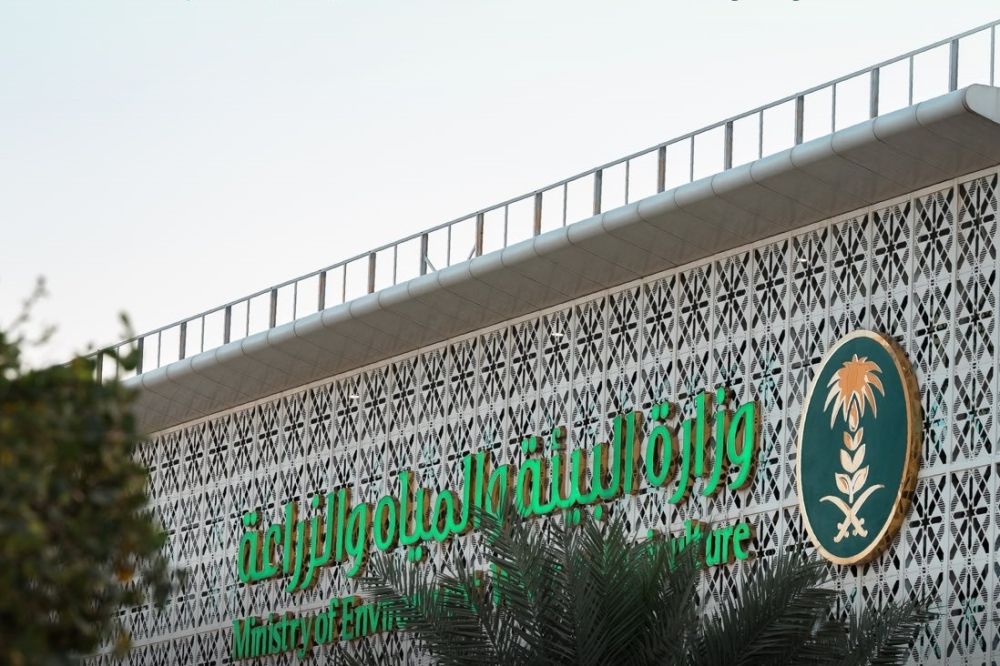
With the approach of the holy month of Ramadan, the Ministry of Environment, Water and Agriculture branch in Madinah has intensified its preparations to ensure a safe and healthy food environment for citizens and visitors. In this context, the branch launched a comprehensive field and inspection campaign targeting public markets in the region, aiming to verify that establishments comply with regulations and ensure the quality and safety of the products offered.
Background and importance of the campaign in the context of Ramadan
These inspection tours are particularly important in Medina during religious seasons, especially Ramadan, which sees a large influx of visitors and pilgrims from around the world. This increased demand for food products necessitates stricter oversight to ensure the safety of the entire food supply chain, from farm to consumer. These efforts are part of the Ministry's pivotal role in achieving food security and protecting public health, objectives that align with the goals of the Kingdom's Vision 2030, which prioritizes quality of life.
Details of oversight efforts and their results
The field campaign encompassed several key areas, with inspection teams monitoring the licenses and agricultural records of suppliers and vendors, and verifying the quality of agricultural crops, livestock, and fish products offered for sale. To ensure maximum reliability, random samples of products were taken and sent for laboratory testing to confirm they were free of pesticide residues and harmful contaminants. These intensive inspections yielded tangible results, with the detection and confiscation of large quantities of products unfit for human consumption, amounting to 1,195 kilograms of vegetables and 133 kilograms of fish of unknown origin. The necessary legal measures were taken against the violators in accordance with the approved regulations and penalties, serving as a deterrent to anyone who might consider compromising consumer health.
Additional dimensions: Combating food waste and raising awareness
The branch's efforts were not limited to oversight and enforcement, but extended to include awareness and community outreach. As part of its seasonal campaign, the branch aims to promote a culture of responsible consumption and reduce food waste, a phenomenon that typically increases during the holy month. Teams distributed informational brochures to shoppers and vendors, urging them to make informed purchasing and consumption habits. Furthermore, coordination was established with accredited charities in the area to deliver safe, undamaged products that were confiscated to beneficiary families, thus achieving the dual goal of preventing waste and ensuring food reaches those in need. The branch emphasized that these inspections will continue throughout Ramadan to ensure the health and safety of everyone.