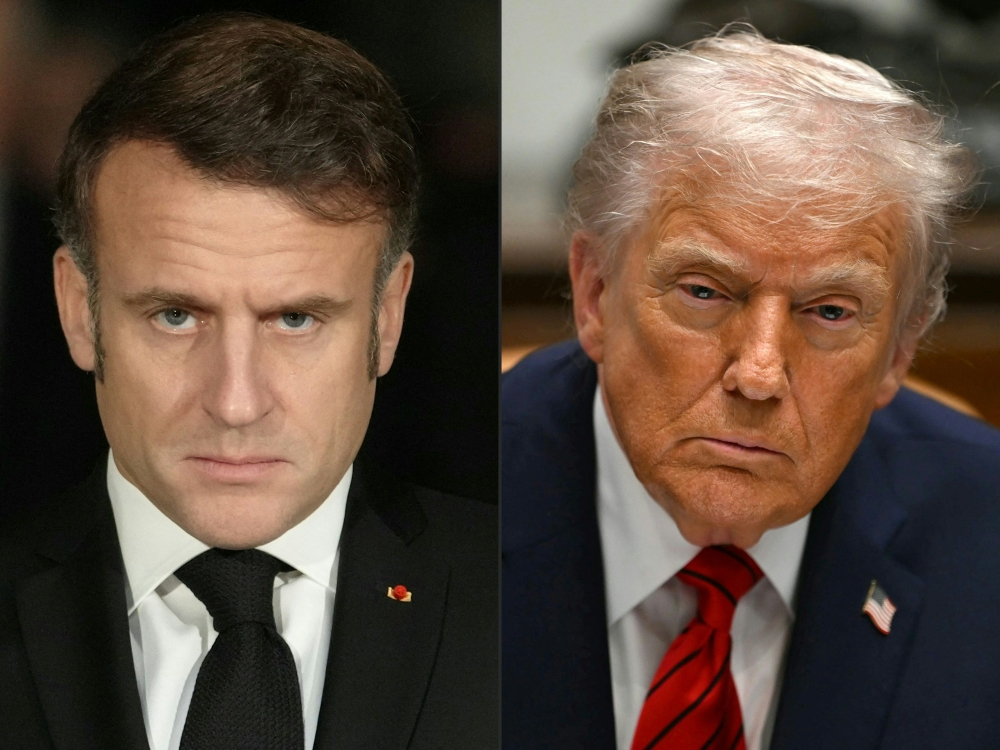
In a new escalation of transatlantic trade tensions, French President Emmanuel Macron is leading a firm European response to recent threats from US President Donald Trump. During intensive consultations with his European counterparts on Sunday, Macron intends to call for the activation of the EU's Anti-Coercive Mechanism, an economic deterrent tool specifically designed to protect European interests from external pressure.
Details of the proposed European response
According to sources close to the Élysée Palace, the French move aims to preempt the implementation of US threats to impose additional tariffs. The "anti-coercive mechanism" is considered a strategic weapon in Brussels' arsenal, requiring the approval of a qualified majority of member states to activate it. If approved, it would allow the European Union to take significant punitive measures, most notably freezing US companies' access to European public procurement markets and blocking specific US investments in Europe, thus dealing a severe blow to American commercial interests in the continent.
Background to the crisis: Greenland and tariffs
The roots of this current tension lie in US President Donald Trump's remarks on Saturday, in which he directly linked geopolitical and economic issues. Trump threatened to impose new tariffs on European countries that have sent troops to Greenland, demanding that the territory be sold "in its entirety" to the United States to avoid these sanctions. He outlined a timetable for escalation, beginning with an additional 10% tariff starting February 1st, with the possibility of raising it to 25% by June 1st, thus placing the European economy under critical time pressure.
Extensive diplomatic activity
On the diplomatic front, French Foreign Minister Jean-Noël Barrot engaged in a broad coordination effort to ensure European unity. Sources close to the minister reported that he has been in intensive contact since Saturday with his counterparts in Britain and Germany, as well as with Kaya Kallas, the EU's High Representative for Foreign Affairs and Security Policy. These efforts aim to formulate a collective response that sends a clear message to Washington that trade threats are "unacceptable" and raise serious questions about the credibility of the trade agreements reached between the two sides last July.
Economic and geopolitical dimensions
This clash has dimensions that extend far beyond the immediate dispute; trade relations between the United States and the European Union are the largest and most complex in the world. Any open trade war between the two sides would lead to disruptions in global supply chains and price hikes, casting a shadow over a global economy already grappling with the challenges of inflation and sluggish growth. Furthermore, Trump's insistence on the Greenland issue recalls his earlier attempts during his first term to purchase the island, which were met with staunch rejection from Denmark and the European Union, underscoring that the dispute touches upon the very core of European sovereignty as much as it touches upon economic interests.