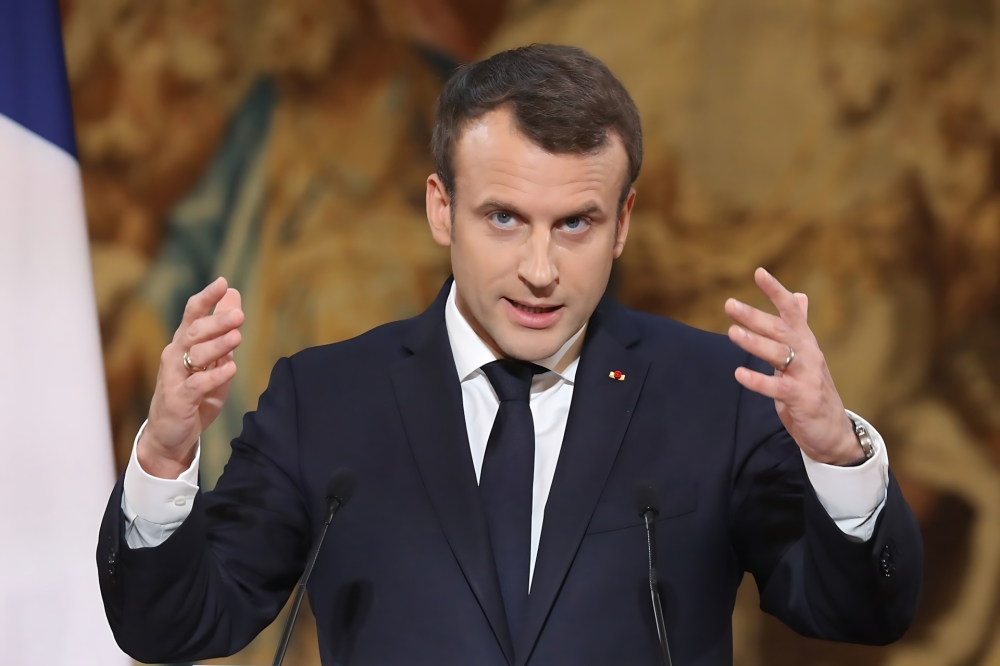
French President Emmanuel Macron clarified his country's official and final position on the recent developments in Venezuela, emphasizing during a cabinet meeting on Monday that Paris "neither supports nor approves" of the mechanism and method used by the United States to arrest Venezuelan President Nicolás Maduro and transfer him to its territory. This statement put an end to speculation about the French position, balancing diplomatic disapproval of the execution with political opposition to the regime in Caracas.
According to French government spokeswoman Maud Brégon, President Macron was careful to distinguish between the procedure and the result; he described Maduro as a "dictator," considering his departure from power to be "good news" for the Venezuelan people who have suffered for many years, but this does not justify exceeding diplomatic norms or using methods that may provoke international legal controversy.
Context of internal criticism and political pressures
Macron's clarification comes at a time when he is facing intense pressure and criticism within France, particularly from left-wing circles who viewed his initial silence or failure to immediately condemn the US operation as a form of complicity or tacit acceptance of what they considered "imperialist intervention" and a violation of national sovereignty. The French left-wing opposition has consistently criticized US policies in Latin America, prompting the Élysée Palace to issue a firm statement rejecting the "method" without defending Maduro personally.
Background to the historical tension between Washington and Caracas
This event cannot be separated from the long history of hostility between the United States and the Maduro regime. For years, specifically since 2020, the US Department of Justice has formally charged Maduro and several of his associates with involvement in "narco-terrorism," offering a $15 million reward for information leading to his arrest. Relations have been severed, and Washington has imposed harsh economic sanctions on Venezuela's oil sector in an attempt to pressure the regime, which it accuses of election fraud and repressing the opposition.
The Venezuelan crisis and the international stance
Internationally, Venezuela has long been an arena for the rivalries of major powers. While Russia and China have supported the Maduro regime, Western countries, including France and the European Union, have often aligned themselves against his policies, particularly after the 2018 elections, the integrity of which was questioned by the international community. Venezuela is suffering from a severe economic and humanitarian crisis that has led to the emigration of millions of its citizens. This explains Macron's comment that Maduro's departure is "good news," as the West hopes that his absence will pave the way for a democratic transition that will restore stability to the country, despite reservations about the manner of his removal.