Determination to confront despite the risks
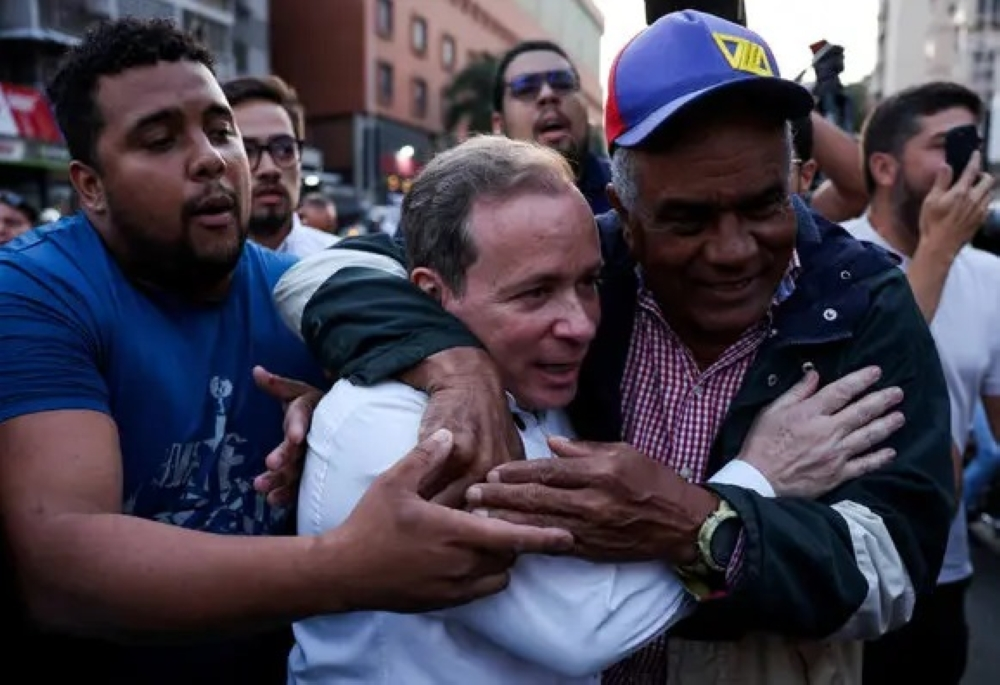
Venezuelan opposition leader María Corina Machado has reaffirmed her determination to return to her country as soon as possible, in a direct challenge to President Nicolás Maduro's regime, which has intensified its crackdown on political opponents. This announcement comes after the abduction of her prominent ally, Juan Pablo Guanipa, just hours after his release, sending a clear message about the risks Machado may face upon her return.
“I made it clear that I have some tasks to complete before returning, and once I finish them, I will return to Venezuela,” said Machado, who left Venezuela to accept the Nobel Peace Prize in Oslo on behalf of imprisoned Iranian activist Narges Mohammadi. She added, “I was very clear about my intention to return to Venezuela as soon as possible and join the Venezuelan people in their journey toward a democratic transition.”.
Background of the political crisis in Venezuela
Venezuela has been mired in a severe political, economic, and social crisis for years, exacerbated under President Nicolás Maduro, who succeeded Hugo Chávez. His rule has been marked by a sharp economic collapse, hyperinflation, and shortages of food and medicine, driving more than seven million Venezuelans to emigrate in one of the world's largest refugee crises. Politically, the Maduro regime faces international and domestic accusations of suppressing freedoms, imprisoning opponents, rigging elections, and controlling all state institutions, including the judiciary and the military.
The importance of the event and its expected impact
Machado's insistence on returning represents a potential turning point in Venezuelan politics. Domestically, her return could reignite the enthusiasm of the opposition, especially after her resounding victory in the opposition primaries, which made her the foremost symbol of the struggle for democracy. However, the greatest risk lies in the possibility of her arrest upon arrival, which could paralyze the opposition movement or trigger a new wave of widespread protests.
Regionally and internationally, governments and international organizations are closely monitoring the situation. The United States and the European Union, which have imposed stringent sanctions on the Maduro regime, are linking any easing of these sanctions to guarantees of free and fair elections. The case of Machado, who was barred from running for president, and the Guanipa incident are considered clear violations of the internationally brokered Barbados Accords, which were intended to ensure minimum democratic standards. Machado's fate will largely determine the course of future diplomatic relations with Caracas and could lead to further international isolation of the Maduro regime.
Release and abduction of Joaniba
Authorities released several opposition figures on Sunday, including Juan Pablo Guanipa, the former vice president of the National Assembly. However, hours later, he was “kidnapped” by armed men, according to Machado. Guanipa had spoken to reporters immediately after his release, denouncing the results of the 2024 presidential election, which declared Maduro the winner of a new term and which the opposition maintains it won, accusing the authorities of widespread fraud.