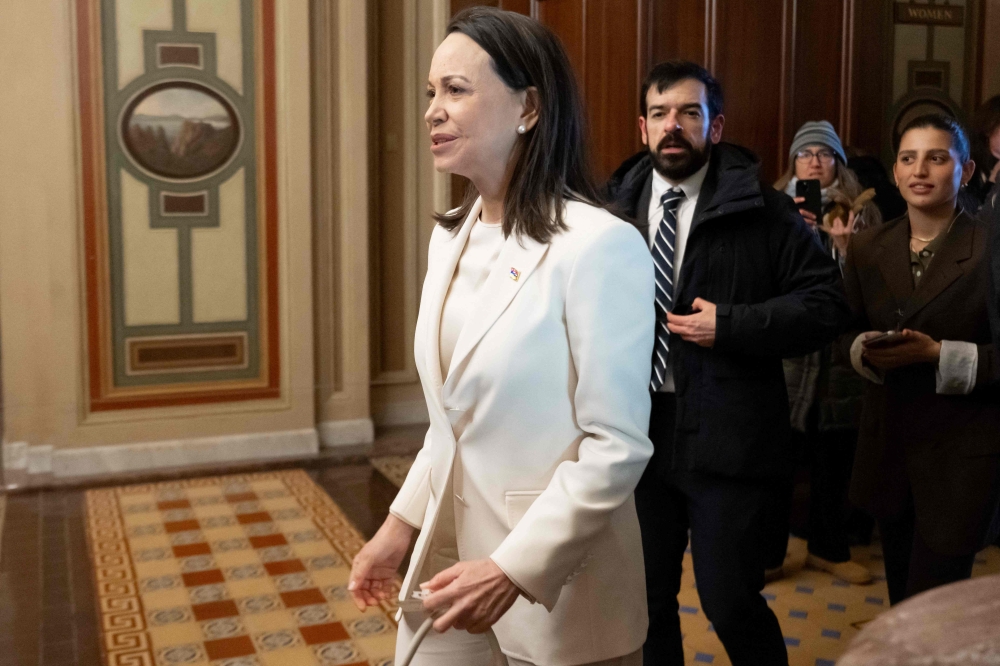
في حدث لافت يحمل دلالات سياسية عميقة، أعلنت زعيمة المعارضة الفنزويلية، ماريا كورينا ماتشادو، يوم الخميس، أنها قدمت ميدالية جائزة نوبل للسلام التي حازت عليها إلى الرئيس الأمريكي دونالد ترامب. وجاء هذا الإعلان في تصريحات صحفية أدلت بها ماتشادو خارج مبنى الكابيتول، وذلك عقب اجتماع مغلق جمعها بالرئيس الأمريكي في البيت الأبيض، حيث قالت: “لقد قدمت لرئيس الولايات المتحدة ميدالية جائزة نوبل للسلام”، في إشارة تعكس عمق الرهان الذي تضعه المعارضة الفنزويلية على الدور الأمريكي في المرحلة المقبلة.
سياق الأزمة الفنزويلية وخلفيات الصراع
تأتي هذه الخطوة في توقيت بالغ الحساسية بالنسبة للمشهد السياسي في فنزويلا، التي تعاني منذ سنوات من أزمة سياسية واقتصادية خانقة تحت حكم الرئيس نيكولاس مادورو. وتُعد ماريا كورينا ماتشادو، التي تُلقب بـ”المرأة الحديدية”، الرمز الأبرز للمعارضة الديمقراطية في البلاد. وقد قادت ماتشادو حراكاً شعبياً واسعاً، خاصة خلال الانتخابات الرئاسية الأخيرة التي شهدت جدلاً واسعاً حول نزاهتها، حيث اتهمت المعارضة والمجتمع الدولي نظام مادورو بتزوير النتائج وقمع الأصوات المعارضة.
ويُعتبر حصول ماتشادو على جائزة نوبل للسلام تتويجاً لنضالها السلمي المستمر من أجل استعادة الديمقراطية وحقوق الإنسان في فنزويلا. فالجائزة لم تكن مجرد تكريم شخصي، بل اعتراف دولي بشرعية مطالب الشعب الفنزويلي في التغيير والحرية، وسط ظروف قمعية أدت إلى هجرة ملايين الفنزويليين هرباً من الفقر والملاحقة الأمنية.
دلالات إهداء الجائزة وتأثيرها المتوقع
يحمل إهداء أرفع جائزة دولية للسلام إلى الرئيس الأمريكي دونالد ترامب رسائل سياسية متعددة الأبعاد. فعلى الصعيد الثنائي، تُظهر هذه الحركة رغبة المعارضة الفنزويلية في توثيق التحالف مع واشنطن، واعتبار الإدارة الأمريكية الشريك الاستراتيجي الأهم في معركتها ضد النظام الاشتراكي في كاراكاس. كما يُقرأ هذا التصرف على أنه تقدير لسياسات الضغط الأقصى التي انتهجها ترامب سابقاً ضد نظام مادورو، والتي شملت عقوبات اقتصادية وعزلة دبلوماسية.
إقليمياً ودولياً، قد يُعيد هذا اللقاء والهدية الرمزية تسليط الضوء على الملف الفنزويلي الذي تراجع نسبياً في أولويات السياسة الدولية مؤخراً. ومن المتوقع أن يثير هذا التقارب حفيظة النظام في كاراكاس وحلفائه الدوليين، مما قد يؤدي إلى تصعيد جديد في الخطاب السياسي أو تشديد القبضة الأمنية في الداخل الفنزويلي. في المقابل، تأمل المعارضة أن يترجم هذا الدعم الرمزي إلى خطوات عملية ملموسة من قبل الولايات المتحدة والمجتمع الدولي لتسريع عملية الانتقال الديمقراطي وإنهاء الأزمة الإنسانية التي تعصف بالبلاد.