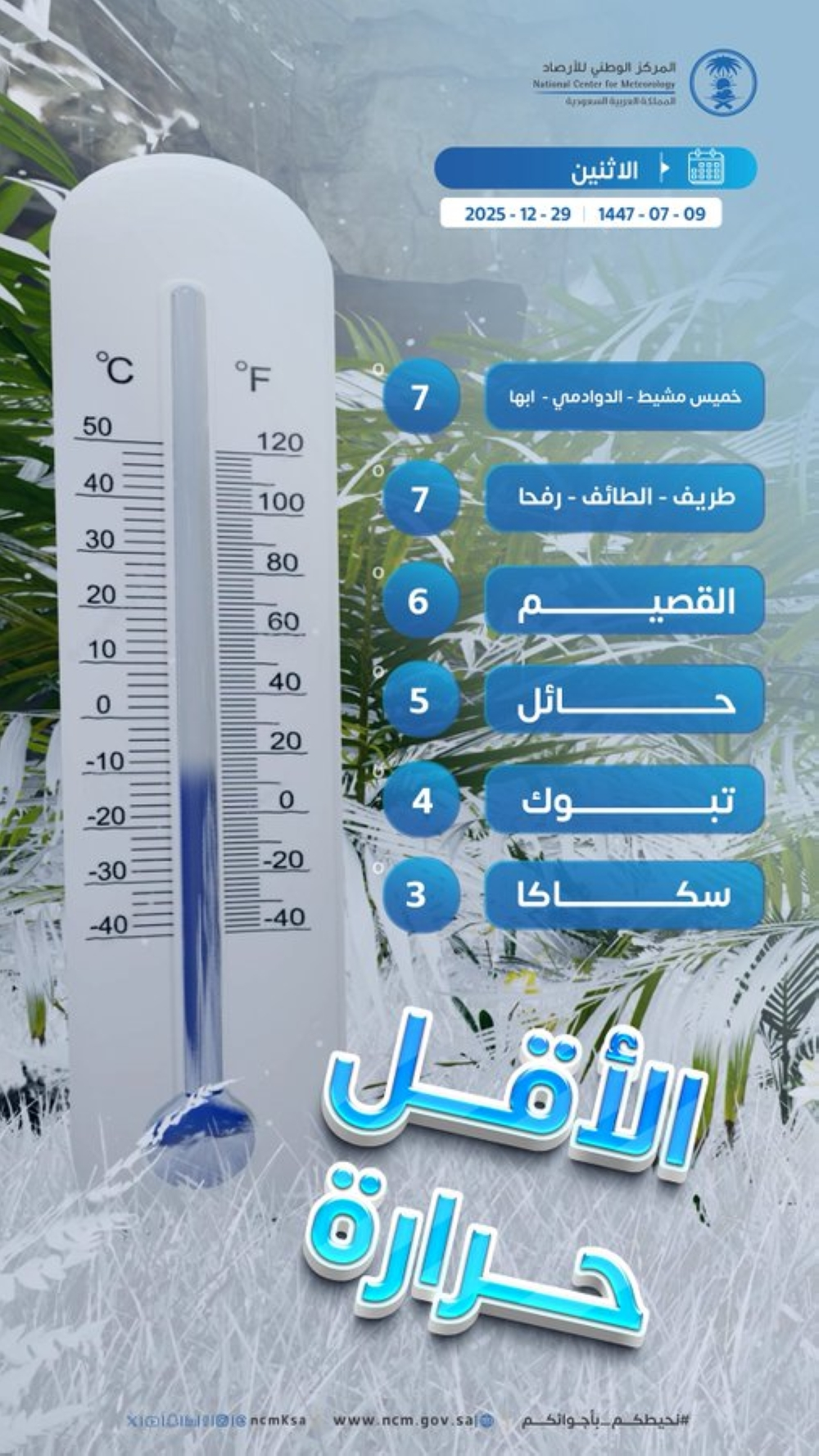
شهدت مناطق عدة في المملكة العربية السعودية انخفاضاً ملحوظاً في درجات الحرارة اليوم الاثنين، حيث تصدرت مدينة سكاكا قائمة المدن الأشد برودة، مسجلة أدنى درجة حرارة في المملكة والتي بلغت 3 درجات مئوية، وذلك وفقاً للبيانات الصادرة عن المركز الوطني للأرصاد حول حالة الطقس ومستجدات المناخ.
ويأتي هذا الانخفاض ضمن موجة باردة تؤثر على الأجزاء الشمالية والوسطى من المملكة، مما يستدعي أخذ الحيطة والحذر من قبل المواطنين والمقيمين. وقد جاء ترتيب المدن التي سجلت أقل درجات الحرارة بناءً على تقرير الأرصاد كالتالي:
- سكاكا: 3 درجات مئوية.
- تبوك: 4 درجات مئوية.
- حائل: 5 درجات مئوية.
- القصيم: 6 درجات مئوية.
- طريف: 7 درجات مئوية.
- الطائف: 7 درجات مئوية.
- رفحاء: 7 درجات مئوية.
- خميس مشيط: 7 درجات مئوية.
- الدوادمي: 7 درجات مئوية.
- أبها: 7 درجات مئوية.
السياق المناخي والجغرافي للموجات الباردة
تعتبر المناطق الشمالية للمملكة، مثل الجوف (سكاكا) والحدود الشمالية (طريف ورفحاء) وتبوك، البوابة الأولى لاستقبال الكتل الهوائية الباردة القادمة من بلاد الشام وأوروبا. وتتميز هذه المناطق بطبيعتها الجغرافية التي تجعلها أكثر عرضة لانخفاض درجات الحرارة إلى مستويات قد تلامس الصفر المئوي أو ما دونه في ذروة فصل الشتاء، خاصة خلال شهري يناير وفبراير، وهي الفترة التي تعرف محلياً بـ “المربعانية” و”الشبط”.
تأثيرات الطقس وتدابير السلامة
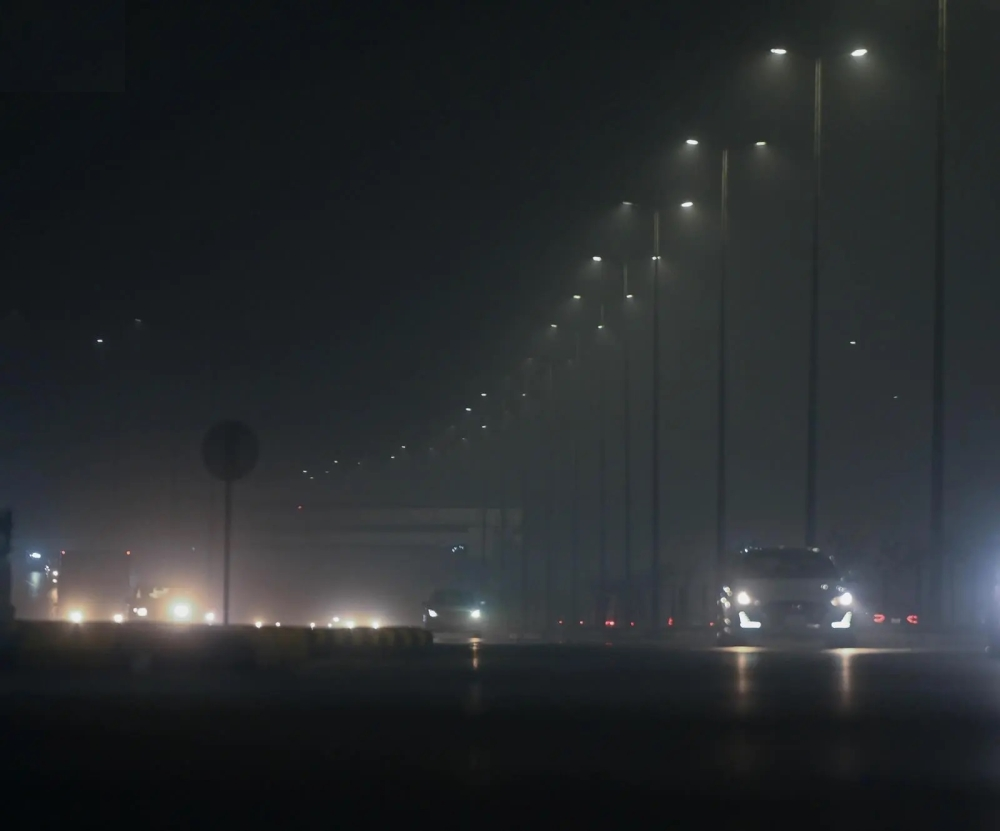
يتزامن انخفاض درجات الحرارة غالباً مع نشاط في الرياح السطحية التي قد تثير الأتربة والغبار، مما يؤدي إلى تدني مدى الرؤية الأفقية في بعض المناطق المفتوحة والطرق السريعة، وهو ما أشار إليه المركز الوطني للأرصاد في تحذيراته بخصوص العواصف الترابية. وتؤثر هذه الأجواء بشكل مباشر على الحياة اليومية، حيث تزداد الحاجة إلى استخدام وسائل التدفئة، مما يتطلب الالتزام بإرشادات الدفاع المدني لضمان السلامة وتجنب حوادث الاختناق أو الحرائق الناتجة عن الاستخدام الخاطئ للمدافئ.
الأهمية البيئية والزراعية
على الصعيد الزراعي، يراقب المزارعون في مناطق القصيم وحائل والجوف هذه الانخفاضات بحذر، حيث أن تشكل الصقيع قد يؤثر على بعض المحاصيل الزراعية المكشوفة. في المقابل، تعد هذه الأجواء الباردة جزءاً أساسياً من الدورة المناخية التي تساهم في القضاء على بعض الآفات الزراعية وتهيئ التربة للمواسم القادمة. كما ينعش هذا الطقس السياحة الشتوية الصحراوية (الكشتات)، حيث يتجه الكثيرون إلى المناطق البرية للاستمتاع بالأجواء الشتوية مع اتخاذ الاحتياطات اللازمة للوقاية من البرد القارس.