Resignation at the heart of the art world
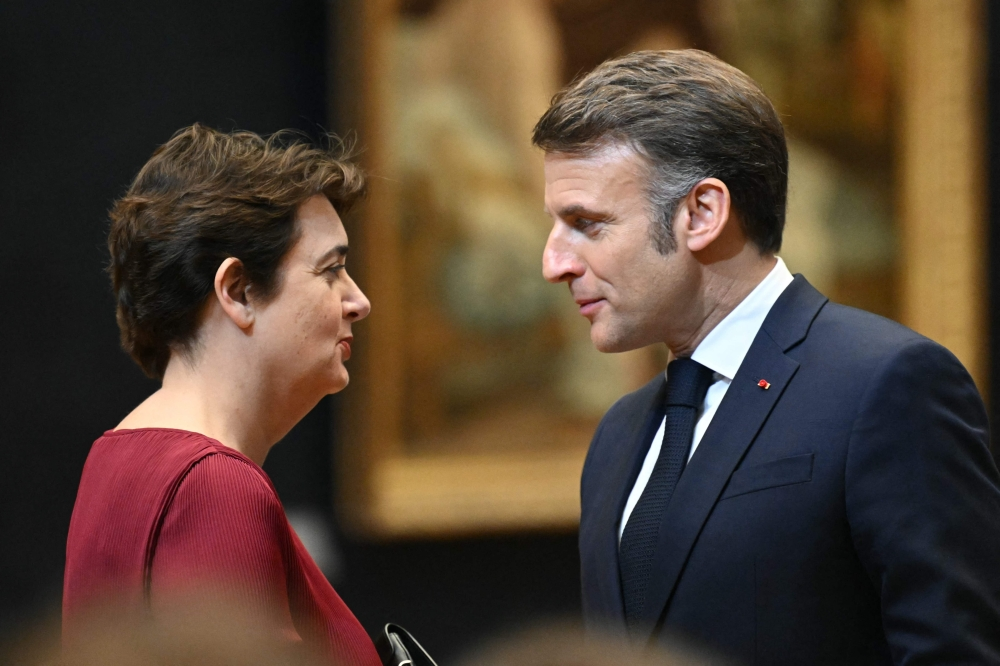
In a surprise move that has shaken the global cultural scene, the Élysée Palace announced on Tuesday that the Louvre's director, Laurence des Cars, had submitted her resignation to French President Emmanuel Macron, who accepted it immediately. This resignation comes four months after a brazen robbery at the world's most visited museum, raising serious questions about the security measures in place to protect priceless art treasures.
Historical background of the Paris icon
Originally a fortress and later a palace of the French kings, the Louvre Museum is one of the world's most important cultural and historical monuments. Opened to the public in 1793 during the French Revolution, it now houses a vast collection of artworks spanning millennia, from ancient civilizations to the mid-19th century. Home to world-renowned masterpieces such as Leonardo da Vinci's Mona Lisa, the Venus de Milo, and the Winged Victory of Samothrace, the museum attracts millions of visitors annually and represents a global cultural responsibility.
Protecting these treasures has never been an easy task. In 1911, the Louvre experienced the most famous art theft in history when the Mona Lisa disappeared, only to be recovered two years later. This historical event remains a constant reminder of the potential security vulnerabilities that even the most fortified institutions in the world face.
The repercussions of the recent incident and the importance of resignation
The recent robbery, the full details of which have yet to be revealed, dealt a severe blow to the museum's reputation and sparked international concern about the safety of human heritage. In this context, President Macron described de Cars' resignation as "a responsible step at a time when the world's greatest museum needs calm and a strong new impetus to carry out major projects aimed at securing and developing it.".
The significance of this event extends beyond the French national level, reaching the international stage. Major museums worldwide will be closely monitoring the measures the Louvre takes to enhance its security, and this may prompt them to reassess their own security protocols. Furthermore, this resignation sets a new standard for accountability and responsibility in the management of major cultural institutions when security incidents of this magnitude occur.
A look towards the future
With the acceptance of Laurence des Cars's resignation, a new and crucial phase begins for the Louvre. The incoming administration will face a twofold task: first, to restore confidence among the international and French public, and second, to implement radical and comprehensive reforms to the museum's security system to ensure such a disaster is never repeated. The entire world is watching to see who will lead this great institution in its next phase and how they will safeguard humanity's heritage for future generations.