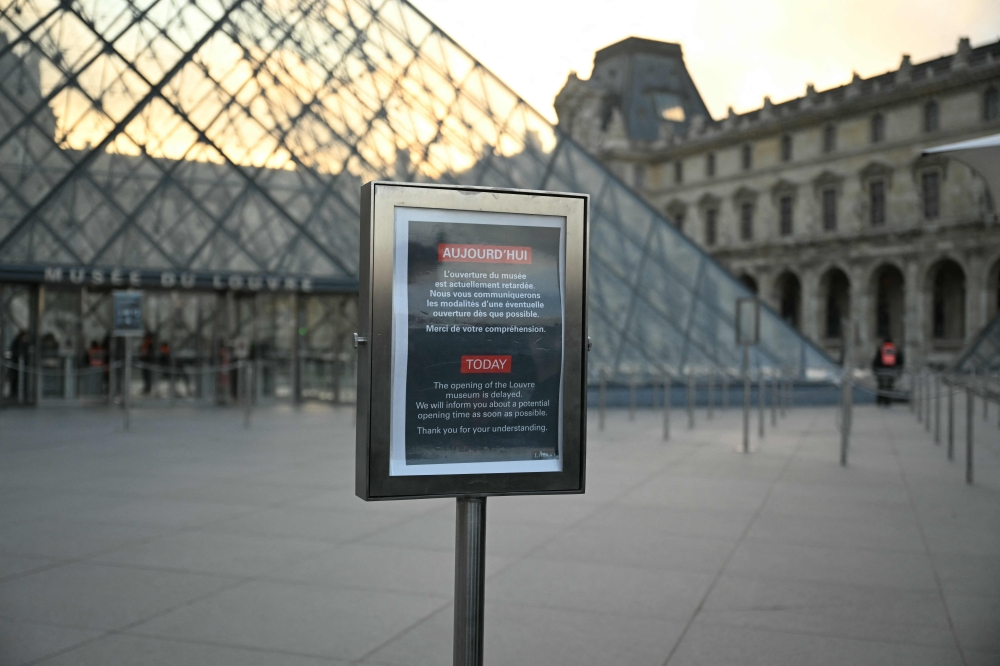
The Louvre, Paris's most prominent cultural monument and the world's most visited, partially reopened its doors on Wednesday, despite an ongoing strike by its staff who unanimously voted to continue their protest. This development comes amid a growing crisis of confidence, exacerbated by deep security concerns following a major robbery last October, highlighting the challenges facing this venerable institution.
Historical background and cultural significance
The Louvre Museum occupies a unique place in world history and culture. Its history began as a fortress built by King Philip Augustus in the 12th century, later becoming a royal palace before opening to the public as a museum in 1793 during the French Revolution. Today, the museum houses an unparalleled collection of art masterpieces spanning millennia of human civilization, including iconic works such as the Mona Lisa and the Venus de Milo. With millions of visitors annually, any disruption to its operations not only affects tourists but also tarnishes France's reputation as a global capital of culture and art.
Reasons for the strike and employee demands
The demands of the staff, some 300 of whom voted to continue the strike, focus on fundamental issues affecting the work environment and the quality of the visitor experience. These demands include addressing the severe staff shortage, improving the condition of the building, which is suffering from deterioration in some parts, and objecting to the increase in entrance fees for visitors from outside the European Union. Although the museum management and the Ministry of Culture have offered some solutions, such as canceling the planned budget cuts for 2026 and launching recruitment campaigns, the unions insist on a permanent wage increase rather than temporary bonuses, arguing that this is the sustainable way to recognize their efforts.
The impact of the crisis on the local and international scene
The impact of this strike extends far beyond the museum's walls. Locally, the Louvre's closure, even if partial, is a blow to Paris's tourism sector, which relies heavily on its iconic landmarks. Many tourists have expressed their disappointment, such as Australian tourist Judy Bell, who described the situation as an "unexpected French cultural experience." Internationally, the security crisis exposed by the robbery puts the museum's reputation at risk and raises questions about the ability of major cultural institutions to protect their priceless treasures in a changing world. This issue takes on particular significance as Paris prepares to host the Olympic Games, a city striving to present a perfect image to the world.
Museum management in the spotlight
The Louvre's director, Laurence des Cars, finds herself in a precarious position, facing mounting criticism over security lapses. Just three days after the jewel heist, des Cars admitted to the Senate that there had been "shortcomings," but subsequent scandals have further weakened her position, particularly after it was revealed that she was only informed of the alarming findings of a 2019 security audit after the disaster. The Court of Auditors has also criticized the "persistent delays" in implementing the master security plan, putting the current administration under immense pressure to prove its ability to lead the museum out of this complex crisis.