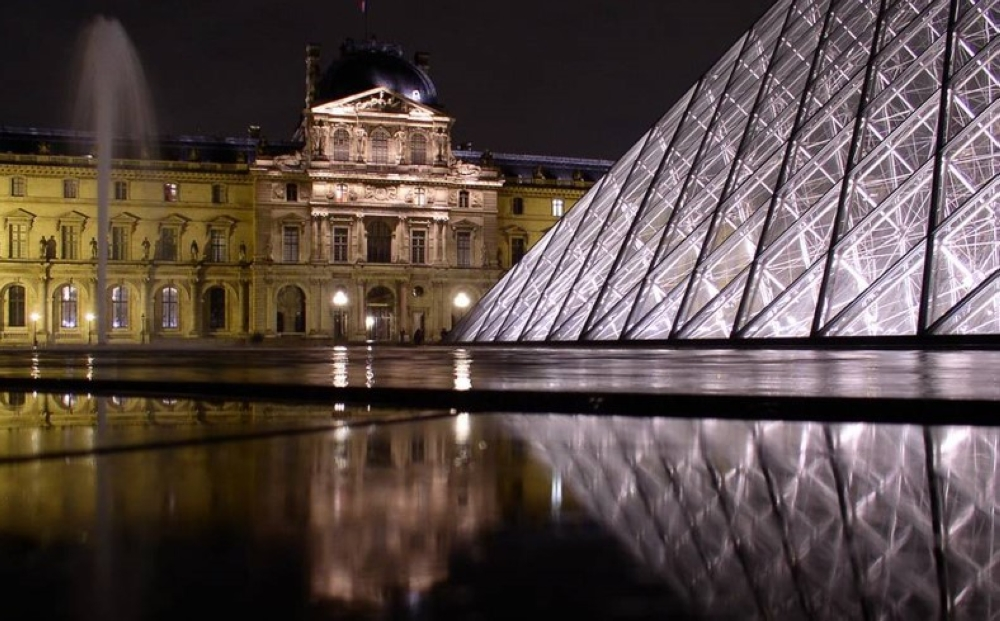
The Louvre Museum, Paris's most prominent cultural landmark, announced its closure again on Monday, marking a new escalation in the strike by its employees. This closure follows a series of protests that began in mid-November, with staff demanding improved working conditions and addressing security concerns that have become a major source of anxiety for those working at the historic museum.
Details of the strike and employee demands
According to statements from unions representing staff and museum management, approximately 300 to 350 employees continued their strike, citing a lack of tangible progress in ongoing negotiations with the French Ministry of Culture and museum management. The main points of contention revolve around wages, as well as a severe staff shortage, particularly in security. The museum was forced to publish an apology on its website, explaining that the closure was "exceptional" due to the current circumstances.
A worrying security background: the theft of royal jewels
This strike cannot be separated from the tense security situation the museum has recently experienced. On October 19th, the museum suffered a shocking theft of eight pieces of the French crown jewels, an incident from which the stolen items have yet to be recovered. Staff members considered this incident conclusive proof of the building's deteriorating security and its urgent need for maintenance and restoration, as well as increased security personnel to protect priceless treasures.
The historical and cultural significance of the Louvre Museum
The Louvre is the world's most visited museum, and it's more than just an art gallery; it's an integral part of French history. Originally a fortress built by Philip Augustus in 1190, it later became a royal palace before opening its doors to the public as a museum in 1793 during the French Revolution. Today, the museum houses tens of thousands of rare works of art, most notably Leonardo da Vinci's Mona Lisa and the Venus de Milo, making it a magnet for art and history enthusiasts from all corners of the globe.
Impact of lockdown on tourism and the economy
The closure of a landmark the size of the Louvre has repercussions that extend beyond the administrative sphere to encompass economic and tourism impacts. The museum is a major driver of tourism in Paris, receiving millions of visitors annually. Repeated closures, or even partial openings—as occurred previously with visits limited to the "Masterpieces" exhibit—lead to significant disappointment for tourists who plan their trips months in advance, potentially damaging the reputation of the French capital as a leading global tourist destination, especially given the ongoing labor disputes.