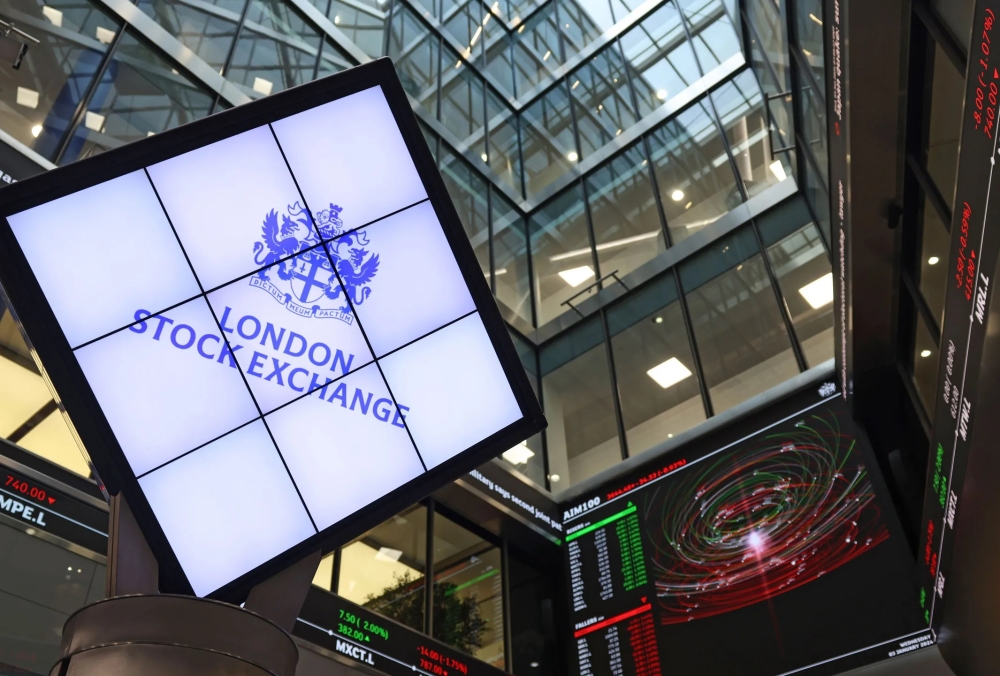
London's main stock index, the FTSE 100, closed significantly lower on Thursday, reflecting a cautious mood among investors in global markets. The index closed down 0.67%, losing 69.67 points to settle at 10,402.44. This performance comes as traders await key economic data releases and decisions from major central banks around the world.
General context and importance of the FTSE 100 index
The FTSE 100 index is considered a key indicator of the health of the British economy and the performance of its largest companies, comprising the 100 largest companies listed on the London Stock Exchange by market capitalization. These companies operate in diverse sectors, including banking, energy, mining, pharmaceuticals, and consumer goods, making it a mirror of the domestic economy and a link to international markets, given that many of these companies generate revenue from abroad.
Historically, the index's movements have been influenced by a complex set of factors, most notably the Bank of England's monetary policy decisions, inflation rates, and UK economic growth and unemployment data. In addition, the global economic climate plays a crucial role, particularly data from major economies such as the US and China, as well as geopolitical tensions that could impact energy prices and global supply chains.
The performance of the British pound and its impact
The index's decline coincided with mixed performance for the British pound in the currency markets. The pound fell slightly against the US dollar by 0.04%, closing at $1.3621. Conversely, it rose against the euro by 0.05%, reaching €1.1486.
There is often an inverse relationship between the performance of the British pound and the FTSE 100 index. When the pound rises, the earnings of large companies whose revenues are denominated in dollars or other foreign currencies are negatively impacted when converted back to pounds, potentially putting downward pressure on their share prices. Conversely, a weaker pound can support the index's performance. Thursday's mixed performance of the currency also reflects a state of anticipation in the foreign exchange markets.
Importance and expected effects
Domestically, the stock market decline directly impacts investor confidence, particularly among pension funds that allocate a significant portion of their assets to British stocks. Regionally and internationally, the performance of the London Stock Exchange, as one of the world's largest financial centers, signals investor sentiment towards European and global assets. Thursday's drop may be part of a broader market correction or a response to economic data that raised concerns about future growth or persistent inflation, prompting investors to seek safer assets.