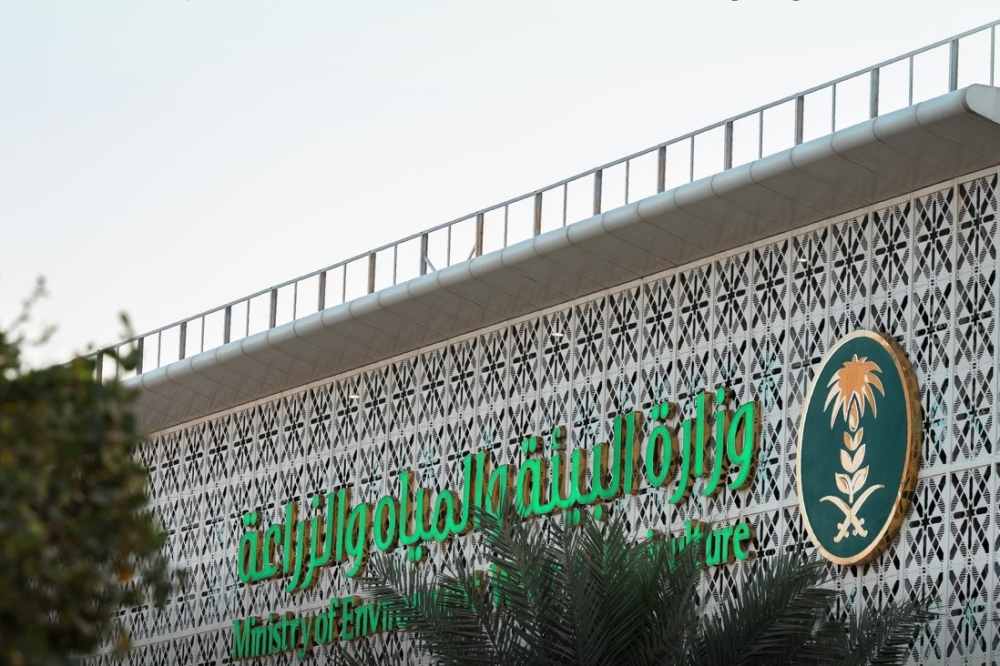
The Saudi Ministry of Environment, Water and Agriculture has unveiled a package of new regulatory guidelines aimed at transforming the livestock sector. These guidelines include proposed amendments to Article 98 of the executive regulations of the Agriculture Law. This step is part of a comprehensive strategy to enhance biosecurity and regulate markets, aligning with the goals of the Kingdom's Vision 2030 for resource sustainability and public health protection.
Strict spatial and health requirements
Under the new amendments, the Ministry has been granted full and exclusive authority to designate sites for public markets, both seasonal and permanent. The regulations explicitly prohibit the trading or sale of livestock in unauthorized locations, stipulating that future markets must be established entirely outside the urban boundaries of cities, governorates, and villages. This measure aims to eliminate the overlap between livestock activities and residential areas, thereby contributing to a more aesthetically pleasing urban landscape and reducing environmental pollution and unpleasant odors within residential neighborhoods.
Strengthening biosecurity and veterinary control
The ministry did not stop at spatial regulation; it also linked market licensing to the availability of advanced health infrastructure. The new legislation mandates the presence of a permanent veterinary clinic within each market, responsible for examining animals and ensuring their health. Furthermore, it established a fundamental condition for completing sales transactions: mandatory vaccination. The sale of any livestock not vaccinated with vaccines approved by licensed authorities is prohibited. The regulations also emphasize animal welfare standards, prohibiting the display of sick or stressed animals and requiring their immediate isolation to protect the healthy herd and prevent the spread of disease.
Transparency in camel transactions and market regulation
Regarding the camel sector, which holds significant economic and cultural importance in the Kingdom, the regulations introduced a mandatory system for documenting transactions. This system requires owners to register complete details of sales, rentals, or exchanges within 30 days. The required data includes precise details such as the camel's type, age, sex, color, and, most importantly, the transaction's price.
Economic and strategic dimensions
These amendments are of paramount importance, extending beyond direct regulatory considerations. Economically, disclosing camel prices will create a genuine and transparent price index for this vast market, curbing irregular practices and commercial concealment, and attracting more professional investment to the sector. From a health and environmental perspective, relocating markets outside of cities and strengthening veterinary oversight is a proactive step aligned with international standards for preventing zoonotic diseases, thus enhancing the Kingdom's food and health security.