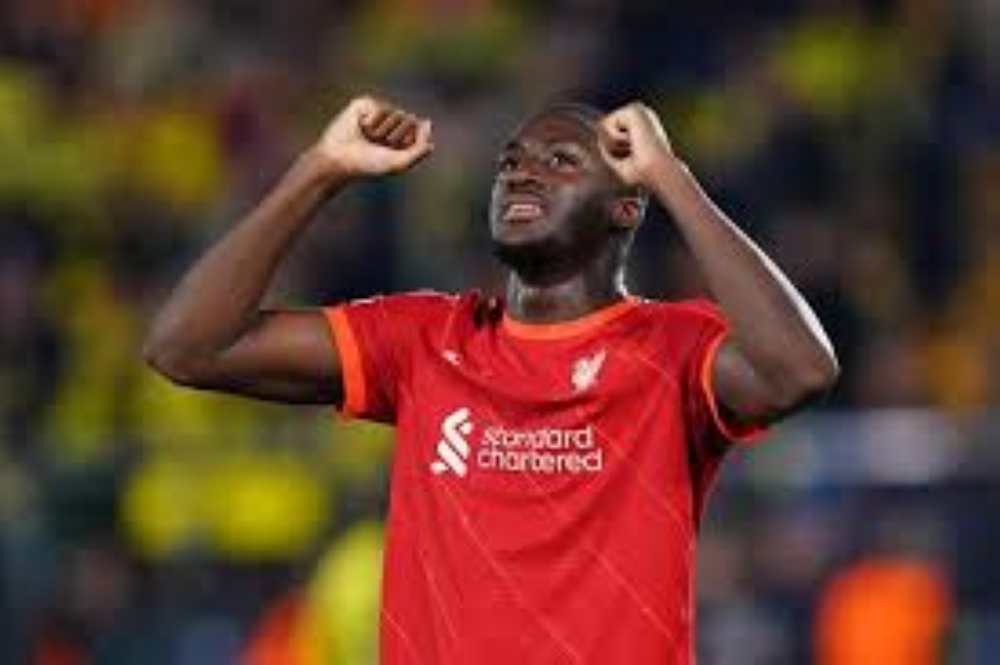
Liverpool Football Club issued a strongly worded statement on Friday, expressing its outrage and condemnation of the racist abuse directed at Ibrahima Konaté, the team's prominent French defender. The club described the attacks on Konaté on social media as "cowardly, inhumane, and fundamentally hateful." This incident once again highlights the dark side of the world of football in the digital age.
The incident occurred during Liverpool's crucial Champions League Round of 16 second-leg match against Galatasaray. During the game, the French international was involved in a heavy challenge with Nigerian striker Victor Osimhen, resulting in the latter's substitution at halftime. Later, medical tests confirmed that Konaté had suffered a serious injury: a broken arm. Despite the injury, Liverpool secured a 4-0 victory at Anfield, overturning their 1-0 first-leg deficit and advancing to the next round.
Dimensions and repercussions of racist abuse against Konate in sporting circles
The fallout from the clash with Osimhen didn't stop at the pitch; it spilled over into a vicious online attack. Liverpool FC confirmed that this behavior was "completely unacceptable," emphasizing in their official statement that there is no place for racism in football, in society, or anywhere else, whether online or offline. The club added, in poignant words: "Our players are not fair game for abuse; they are human beings first and foremost. The constant abuse directed at our players, often hiding behind fake and anonymous accounts, is a true stain on football and on the digital platforms that allow such transgressions to continue unchecked.".
Roots of the crisis: A history of cyberbullying in football
This incident is not an isolated event, but rather an extension of a long history of suffering faced by players of African descent and people of color in European stadiums. Over the past few years, social media platforms have become fertile ground for hate speech, with many top stars subjected to similar abuse after missing penalties or making technical errors. This historical context reflects a deeper crisis that transcends the boundaries of sports, touching on societal issues related to integration and acceptance of others. Addressing this phenomenon is therefore an urgent matter requiring the combined efforts of both sports and civil society organizations.
Official moves and demands for accountability from technology companies
This incident is of paramount importance due to its anticipated impact both locally and internationally. Locally, these transgressions prompted Liverpool's management to issue a clear and direct call to social media companies to redouble their efforts to combat this scourge, emphasizing that "these companies must shoulder their responsibilities and act now; the current situation cannot be allowed to continue and must be eradicated immediately." Regionally and internationally, this incident opens the door to stricter legislation that would require digital platforms to disclose the identities of bullies and facilitate their legal prosecution.
In a related development, British authorities have not remained idle. Police have launched a formal investigation after four more Premier League players were subjected to online racist abuse last month. The list includes Wolverhampton Wanderers' Nigerian striker Tolo Arokodari, Sunderland's Romain Mondel, Chelsea's French defender Wesley Fofana, and Burnley's Tunisian player Hannibal Mejbri. Underscoring the seriousness of the situation, a spokesperson for British Prime Minister Keir Starmer stated that the government intends to exert unprecedented pressure on major technology companies to ensure greater protection for players and users, signaling potentially radical changes in digital content management policies globally.