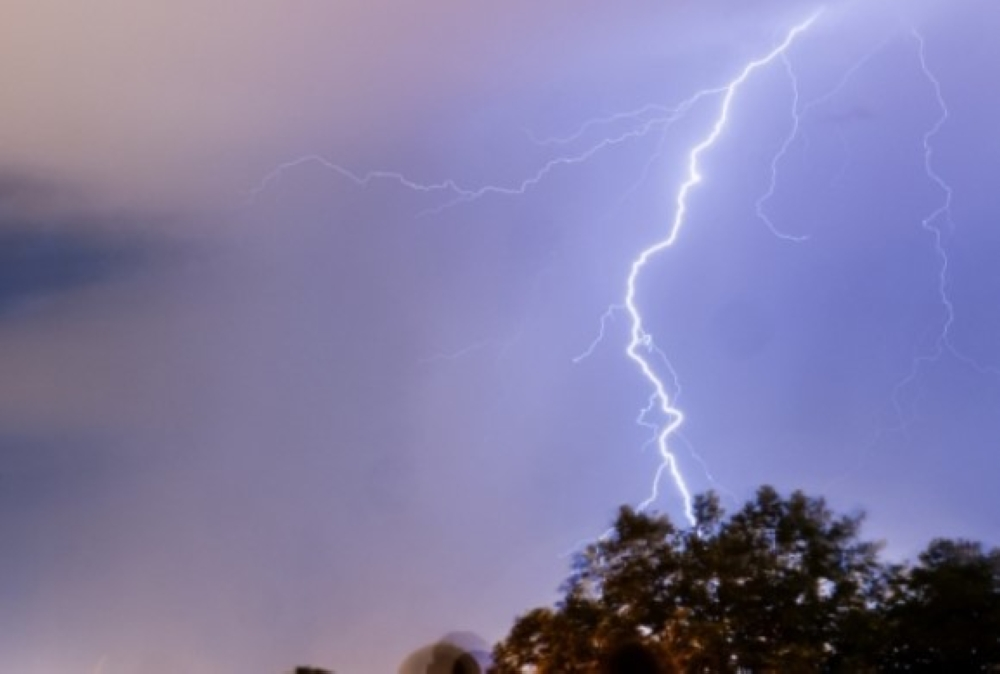
في حادث مأساوي يسلط الضوء على القوة الهائلة للطبيعة، أُصيب ما لا يقل عن 30 شخصًا، بينهم ثمانية في حالة حرجة، إثر صاعقة برق عنيفة ضربت تجمعًا في العاصمة البرازيلية برازيليا. وقع الحادث وسط هطول أمطار غزيرة، مما زاد من حالة الفوضى وصعوبة عمليات الإنقاذ الفورية، وفقًا لما أعلنته خدمات الإطفاء المحلية.
تفاصيل الاستجابة الطارئة
هرعت فرق الطوارئ والإسعاف إلى موقع الحادث فور تلقي البلاغ، حيث قامت بتقديم الإسعافات الأولية لما مجموعه 72 شخصًا كانوا في حالة صدمة أو يعانون من إصابات طفيفة. وأفادت السلطات بأنه تم نقل 30 مصابًا، ممن استدعت حالاتهم رعاية طبية متقدمة، إلى مستشفيين قريبين لتلقي العلاج اللازم. وتنوعت الإصابات بين حروق ومشاكل في الجهاز العصبي وصدمات ناتجة عن قوة الصاعقة، مما يعكس الخطورة الشديدة التي تشكلها هذه الظاهرة الطبيعية.
البرازيل: بؤرة عالمية لنشاط الصواعق
لا يعتبر هذا الحادث معزولًا في البرازيل، التي تُعرف بأنها الدولة التي تشهد أكبر عدد من الصواعق في العالم. فبسبب موقعها الجغرافي في المنطقة المدارية ومساحتها الشاسعة، تتكون فيها ظروف مناخية مثالية لتشكل العواصف الرعدية القوية. ووفقًا للمعهد الوطني لأبحاث الفضاء في البرازيل (INPE)، تستقبل البلاد ما يقرب من 77.8 مليون صاعقة سنويًا. هذه الإحصائية المذهلة تجعل من حوادث الصواعق خطرًا دائمًا، خاصة في المناطق المفتوحة والتجمعات الخارجية.
الأهمية والتأثير: دعوة لزيادة الوعي
يُبرز هذا الحادث الأهمية القصوى لزيادة الوعي العام بمخاطر الظواهر الجوية المتطرفة. فمع التغيرات المناخية العالمية، يتوقع الخبراء زيادة في وتيرة وشدة العواصف الرعدية. ويؤكد الحادث على ضرورة اتباع إرشادات السلامة أثناء العواصف، مثل البحث عن مأوى فوري في مبانٍ مغلقة، والابتعاد عن الأشجار العالية والأعمدة المعدنية والمسطحات المائية. كما يسلط الضوء على العبء الذي تضعه مثل هذه الكوارث الطبيعية على أنظمة الرعاية الصحية وخدمات الطوارئ، مما يستدعي تعزيز البنية التحتية وتطوير خطط استجابة أكثر فعالية للتعامل مع الحوادث الجماعية الناتجة عن الطقس القاسي.