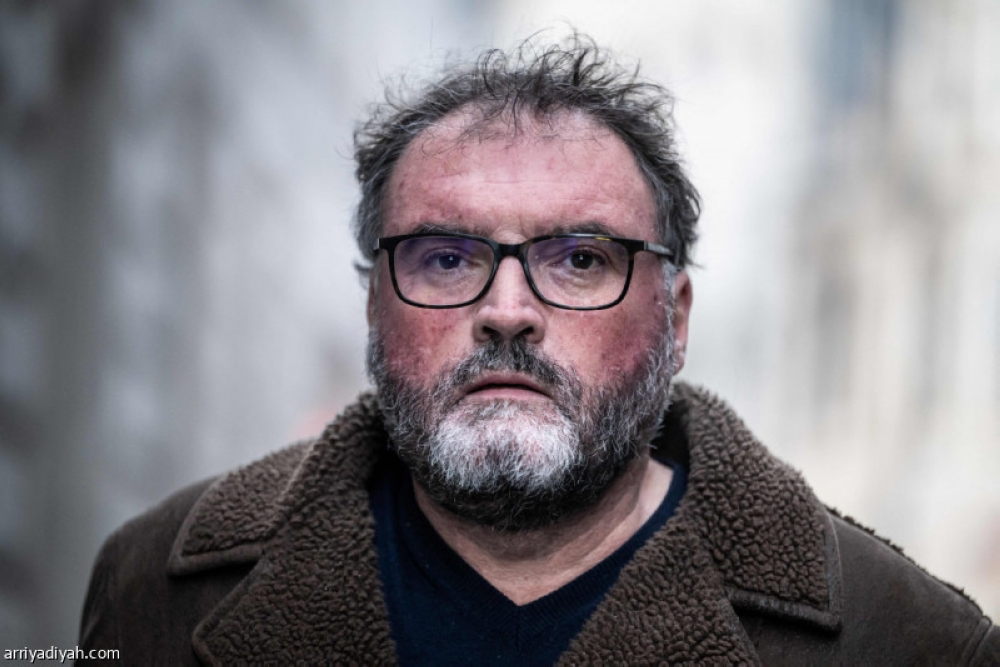
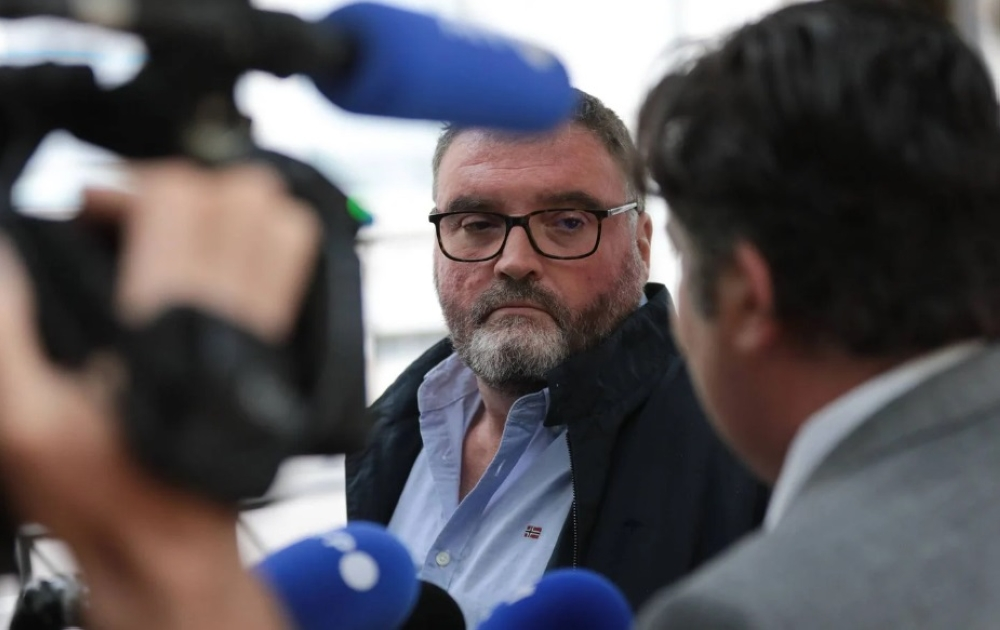
The Doubs Criminal Court in France brought to a close one of the most controversial and horrific medical cases in modern French history, sentencing French anesthesiologist Frédéric Péchier life imprisonment . The doctor was convicted of deliberately poisoning 30 patients during surgical procedures, resulting in the deaths of 12 of them, in a series of crimes described by the prosecution as the work of "one of the greatest criminals in history."
Details of the ruling and the severe penalty
The French judiciary did not stop at a life sentence; it also imposed a mandatory 22-year period of probation (a period of ineligibility for parole), the maximum allowed under French law for such cases. Judge Delphine Tibergh ordered Pichet's immediate imprisonment, ending his period of judicial supervision since the investigation began in 2017.
Background of the crimes: The "savior hero" syndrome
The events of this horrific case date back to the period between 2008 and 2017 in the city of Besançon in eastern France. Investigations revealed that Pechier, aged 53, injected dangerous substances (such as potassium and local anesthetics) into the intravenous bags of his colleagues' patients in two private clinics (Saint Vincent Clinic and Franche-Comté Clinic).
Psychiatric reports and investigations pointed to a bizarre motive behind these crimes, known as the "firefighter-arsonist syndrome." The aim of poisoning the patients was to induce sudden cardiac arrest, thus allowing Pechier to be called upon as an expert to intervene and save them, thereby portraying himself as a "hero" to his colleagues and the medical community. Unfortunately, the rescue attempts were unsuccessful in all cases, resulting in the deaths of 12 victims ranging in age from 4 to 89 years old.
trial and defense
During the weeks-long trial, Pechier's defense team maintained his innocence, citing the lack of conclusive physical evidence such as video recordings or direct DNA evidence taken during the injections. His lawyers announced their intention to appeal the verdict. The prosecution, on the other hand, focused on strong circumstantial evidence, including Pechier's frequent presence at the scene of unexplained cardiac arrests in patients for whom he was not the attending physician.
Impact of the case on the medical sector
The case of Frédéric Pechier sent shockwaves through the French and international medical communities, raising serious questions about safety protocols in operating rooms and the security of medications and medical solutions. This case serves as a painful reminder of the need for stricter security protocols in hospitals to ensure patient safety, as the incident was considered a grave breach of the sacred trust between doctor and patient.