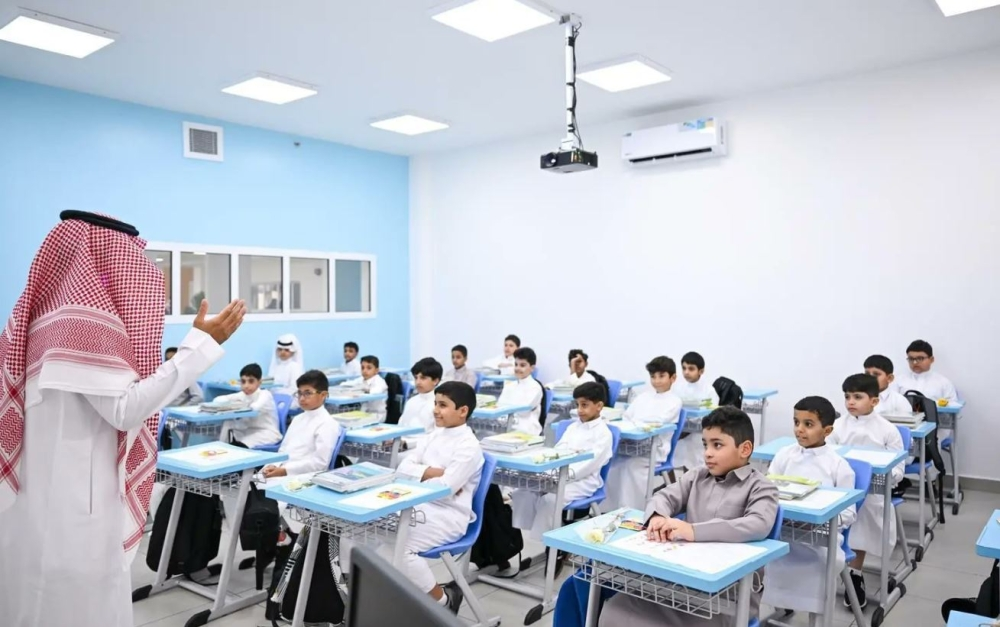
The National Center for Curricula in Saudi Arabia announced the release of a draft regulation for licensing printed and digital educational resources . This regulatory step aims to govern the private education sector and ensure the quality of content provided to students. The new regulation includes strict fines of up to 200,000 Saudi Riyals for violators and will come into effect 90 days after its official publication.
Context of development and quality control in education
This regulatory move comes within the broader framework of the Kingdom's Vision 2030, which prioritizes education to ensure educational outcomes that meet global standards. Recent years have witnessed a significant surge in the production of educational content, particularly digital content, necessitating regulatory intervention to ensure these resources support the educational process and are not merely commercial commodities. This step aims to close the legislative gap that previously allowed the circulation of educational materials that may not have undergone sufficient vetting, thereby enhancing the credibility of enrichment and supplementary curricula in private schools.
Procedures and controls for licensing educational resources
Under the new regulations, any activity related to the production, import, marketing, or dissemination of educational resources is strictly prohibited without prior official authorization from the center. These provisions apply rigorously to all locally produced and imported resources from establishments with a documented educational business registration, and cover all educational levels up to and including secondary school or its equivalent.
The National Center for Curricula has established a clear timeframe for its procedures, committing to processing applications for licenses that meet the requirements within a maximum of sixty days. The technical review of the content takes ten days, with the applicant given thirty days to submit any necessary revisions, thus ensuring flexibility in dealing with investors in the education sector.
Value standards and intellectual property protection
The regulations emphasize the necessity of submitting a formal undertaking guaranteeing that educational resources, whether printed or digital content, are free from any material that violates the culture, values, and political orientations of the Kingdom of Saudi Arabia. This requirement is a fundamental prerequisite for accepting applications and issuing final licenses.
Regarding copyright, the decision emphasized the need to respect the intellectual property rights of others, clarifying that a license does not constitute intellectual property rights for the content. Furthermore, adding any logos or phrases to the covers, other than the approved version, is strictly prohibited, and educational institutions may not use the resources without the center's approval.
Expected impact and deterrent penalties
This regulation is expected to have a broad positive impact locally, as it will help rid the market of inaccurate commercial notes and summaries that could harm students' academic performance. It will also enhance parents' confidence in the supplementary materials offered to their children in private schools.
To ensure compliance, the regulations impose deterrent penalties, including a fine of up to 200,000 riyals for anyone who markets, publishes, or uses unlicensed educational resources. The regulatory powers include the center's right to suspend, revoke, or withdraw a license upon detection of violations. To ensure fairness, the regulations stipulate the formation of a specialized committee to review grievances, comprising a legal advisor, and guarantee beneficiaries the right to appeal to the Board of Grievances within sixty days of being notified of the decision.