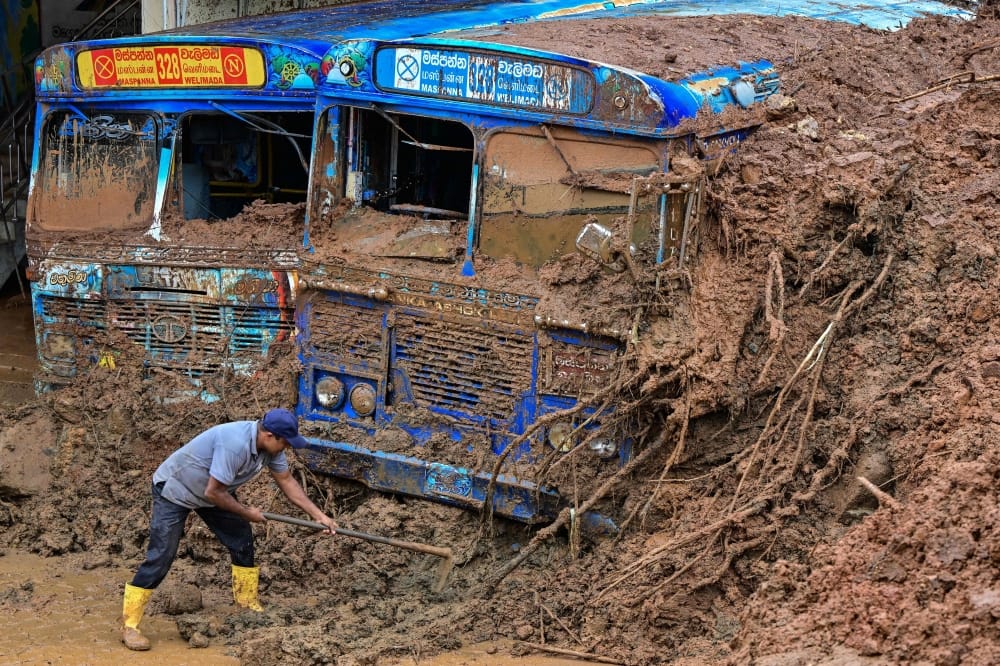
The death toll from the devastating landslide that struck eastern Democratic Republic of Congo has risen to 18, following a recent wave of torrential rains. Local authorities confirmed that the disaster occurred in the village of Burutsi, in North Kivu province, an area characterized by rugged, mountainous terrain, which has hampered search and rescue efforts.
According to official data, the landslide not only resulted in fatalities but also left more than 30 people missing, their fate still unknown under the rubble and mud. The incident occurred after hours of torrential rain, which saturated the soil and caused it to collapse onto homes and roads, highlighting the fragility of infrastructure in remote rural areas.
Consequences of the disruption of vital roads
One of the most immediate consequences of this natural disaster is the disruption of the main road linking Goma, the region's commercial and tourist capital, with the city of Alekali. This road is a vital artery for transportation and the movement of goods in the region. Local experts warn that the road closure will isolate communities, hinder the delivery of relief teams and medical and food aid to those affected, and negatively impact the economy by halting intercity trade.
Geographical and climatic context: a risky environment
Historically, North Kivu and eastern Congo are known for their complex geography and tropical climate, characterized by long and heavy rainy seasons. The region's volcanic soil, while fertile, increases the risk of landslides when saturated with water, particularly given the lack of effective drainage systems and the increasing deforestation that weakens soil stability.
Such incidents occur almost annually during the rainy season, making the region a hotspot for natural disasters that exacerbate the suffering of residents who already live in difficult conditions.
Human dimensions and future challenges
This disaster adds a new burden to the state and the international community, as eastern Congo is already suffering from multiple humanitarian crises as a result of armed conflict and instability. The recurring landslides raise serious questions about the need for strategic disaster management plans and improved urban planning away from floodplains and dangerous slopes.
Observers believe that global climate change is playing an increasing role in the severity of these phenomena, as rainfall has become heavier and more sudden, which calls for concerted local and international efforts to provide urgent support to those affected and to work on sustainable infrastructure solutions in the most vulnerable areas.