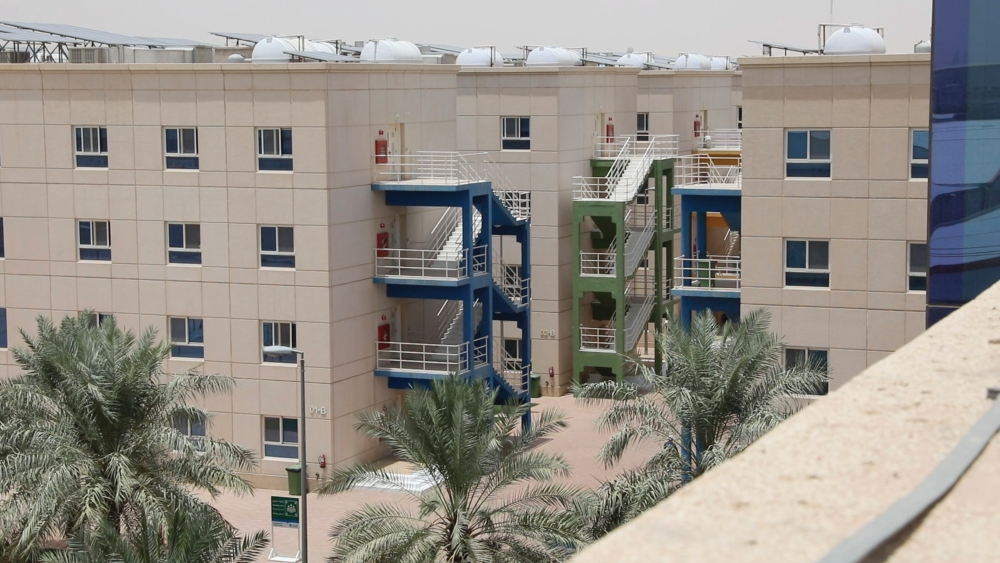
The National Program for the Development of Collective Housing for Individuals has issued a firm warning to commercial establishments employing 20 or more workers, emphasizing the urgent need to rectify their workers' housing conditions and fully comply with labor housing regulations . This decisive measure aims to improve the quality of the housing environment, enhance the urban landscape of Saudi cities, and ensure a suitable living environment for workers that meets approved health and safety standards.
The evolution of housing regulations in the Kingdom and their historical background
Over the past decades, Saudi Arabia has witnessed a massive urban and economic boom, attracting large numbers of expatriate workers to participate in development projects. Historically, housing was sometimes provided through individual initiatives by companies, resulting in informal settlements that lacked even the most basic safety and public health standards. With the launch of Saudi Vision 2030, the urgent need to restructure and radically regulate this sector became apparent. The Saudi government recognized that providing suitable housing for workers is not merely a legal obligation, but a humanitarian duty and a strategic necessity for ensuring sustainable development. This led to the establishment of specialized national programs that set clear standards and rigorously monitor their implementation.
Corrective measures to meet workers' housing requirements
To facilitate the transition to a regulated housing environment, the National Program has outlined two main options for employers to easily and conveniently comply with labor housing requirements . The first option involves obtaining a shared housing permit for the establishment's building through the "Baladi" digital platform, after fulfilling all approved health, technical, and municipal requirements. The second option allows establishments to directly contract with pre-licensed and fully furnished housing units. This option ensures a regulated and safe environment for workers and reduces the burden of managing private facilities, allowing establishments to focus on their core business activities.
The expected impact of regulating workers' housing locally and internationally
This strategic approach is of paramount importance and will have far-reaching positive impacts on several levels. Locally, adherence to these regulations will fundamentally eliminate haphazard and unregulated housing use within urban areas, thereby increasing compliance with municipal and health requirements and curbing the spread of epidemics and diseases. Regionally and internationally, the implementation of these stringent standards will enhance the Kingdom's standing as a leading nation in protecting workers' rights and providing a safe working and living environment, positively impacting the Kingdom's global competitiveness indicators and attracting further foreign investment that prioritizes governance and social responsibility.
Strict penalties to ensure the efficiency of the housing market
To ensure serious implementation, the relevant authorities have threatened to impose strict penalties on violators. These penalties include hefty fines and the suspension of vital government services for establishments that fail to rectify their workers' housing situations according to the available options. These on-the-ground measures aim to regulate the efficiency of the housing market and enhance urban planning in the Kingdom's cities, in line with the comprehensive objectives of Saudi Vision 2030, which seeks to build a vibrant society and a thriving economy.
Government efforts are combined to ensure the success of the initiative
This organized effort is the result of collaboration between several government entities, with the Ministry of Municipalities and Housing leading the National Program for the Development of Collective Housing for Individuals. The program's membership includes a select group of ministries and active bodies, including: the Ministry of Interior, the Ministry of Health, the Ministry of Human Resources and Social Development, the Ministry of Commerce, the Ministry of Industry and Mineral Resources, the Royal Commission for Jubail and Yanbu, the Saudi Authority for Industrial Cities and Technology Zones (MODON), the Economic Cities and Special Zones Authority, and the Public Health Authority (Weqaya). This institutional synergy underscores the government's commitment to addressing this issue and providing sustainable and comprehensive solutions.