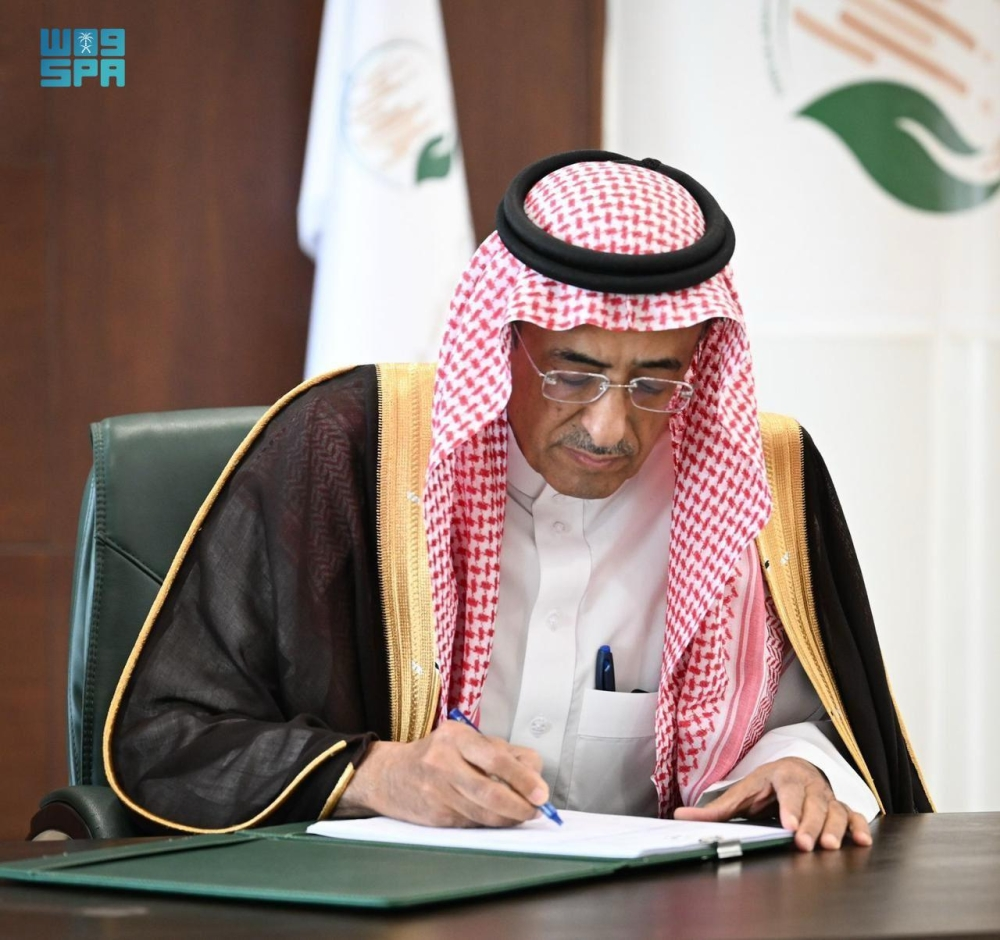
As part of the Kingdom of Saudi Arabia’s ongoing humanitarian efforts to support the health sector in Yemen, the King Salman Humanitarian Aid and Relief Center signed two cooperation agreements with civil society organizations aimed at enhancing healthcare in the governorates of Hodeidah and Al Mahrah. The agreements were signed virtually at the Center’s headquarters in Riyadh, with the Center represented by Assistant Supervisor General for Operations and Programs, Engineer Ahmed bin Ali Al-Baiz.
Vital support for the health sector in Hodeidah
The first agreement included the implementation of the tenth phase of the project to operate emergency medical and nutritional clinics for displaced persons in Al Hudaydah Governorate. This project is a lifeline for more than 300,544 beneficiaries, focusing on providing a comprehensive package of health services including therapeutic nutrition, immunization, reproductive health, and pediatric care. The project also places particular emphasis on combating and preventing infectious diseases and providing essential medicines and laboratory reagents, thus contributing to alleviating the suffering of displaced persons and the host community amidst difficult living conditions.
Specialized care for kidney patients in Al Mahrah
The second agreement focused on implementing the fourth phase of the kidney dialysis center project in Al-Ghaydah District, Al-Mahra Governorate. This vital project aims to provide specialized healthcare services to kidney failure patients, offering 5,160 regular dialysis sessions and 20 emergency sessions monthly, serving approximately 430 patients on a regular basis. This initiative aims to localize healthcare services and alleviate the financial burden on patients by providing free treatment, thus ensuring the continuity and improvement of their quality of life.
An extended human and historical context
These agreements are an extension of the pioneering role that the Kingdom of Saudi Arabia has played for decades in humanitarian work, which was institutionalized through the establishment of the King Salman Relief Center in 2015. Since the outbreak of the Yemeni crisis, the Kingdom has topped the list of donor countries to Yemen, as the center has worked to fill the large gaps in the Yemeni health system, which has been severely damaged by the conflict, leading to a severe shortage of medicines and medical equipment and the outbreak of some epidemics.
Strategic importance and expected impact
These projects hold strategic importance that extends beyond immediate relief efforts; they contribute to preserving the infrastructure of Yemen's health sector and preventing its complete collapse. Locally, these clinics and centers provide a safe haven for patients who lack the financial means for treatment. Regionally and internationally, the continuation of these programs reflects the Kingdom's commitment to international humanitarian standards and achieving the Sustainable Development Goals related to good health and well-being, thereby strengthening social stability in affected areas and mitigating waves of displacement resulting from the lack of basic services.