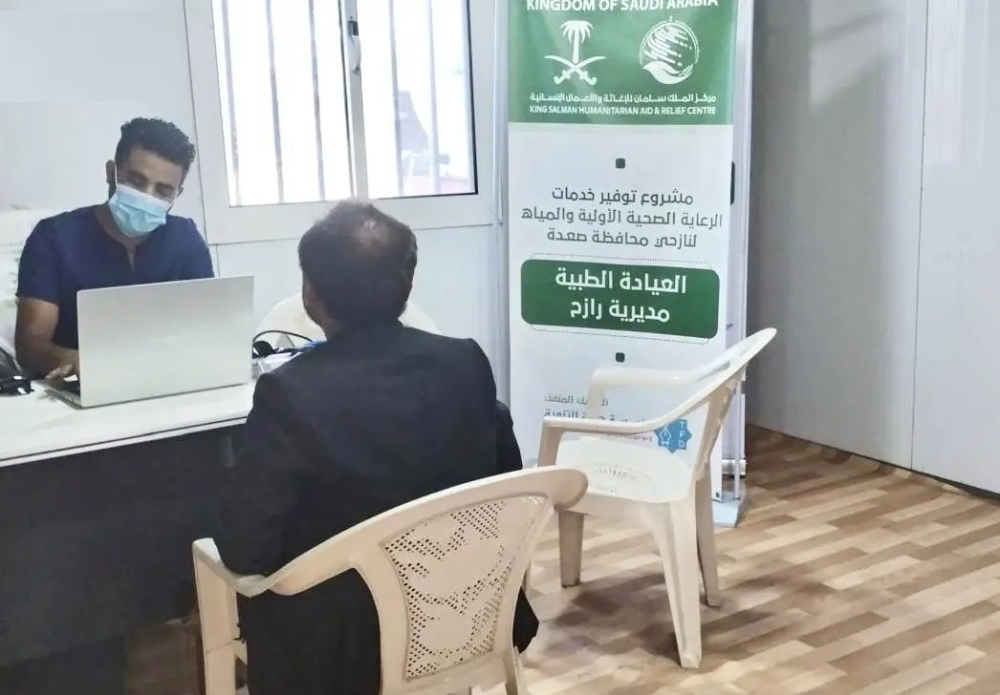
As part of its ongoing humanitarian efforts to support the health sector in Yemen, the King Salman Humanitarian Aid and Relief Center continued to provide essential medical services through its mobile clinics in remote and underserved areas. From January 7 to 13, the Center's mobile clinic in Razih District, Saada Governorate, successfully reached 238 beneficiaries, providing them with necessary healthcare under difficult humanitarian conditions.
General context and vital importance of mobile clinics
This initiative is part of a broader humanitarian response to the crisis in Yemen, which has led to a significant deterioration of the health infrastructure. Saada Governorate, and specifically the rugged, mountainous Razih District, is among the areas where residents face extreme difficulty accessing permanent medical facilities. This underscores the critical importance of mobile clinics, which serve as a lifeline, delivering medical services directly to communities, overcoming geographical and security obstacles. This project reflects the commitment of the Kingdom of Saudi Arabia, through its humanitarian arm, the King Salman Humanitarian Aid and Relief Centre , to alleviating the suffering of the Yemeni people and ensuring their right to healthcare.
Details of the services provided and their direct impact
The clinic offered a wide range of services across various vital specialties, reflecting a comprehensive approach to primary healthcare. The infectious disease control clinic treated 80 patients, a department of particular importance in an environment prone to outbreaks of diseases such as cholera and measles. The emergency clinic handled 38 cases, and the internal medicine clinic provided consultations to 80 patients. Additionally, 11 women benefited from the reproductive health clinic's services, while 29 individuals received essential health education and guidance to promote disease prevention.
The services extended to support departments, where 92 individuals received various nursing services, and 202 patients received necessary medications free of charge, alleviating a significant financial burden. The surgery and dressing department treated four cases, and two safe medical waste disposal activities were carried out, ensuring environmental safety and preventing the spread of infection. These figures are not mere statistics; they are stories of hope for individuals and families who were given the opportunity for treatment and recovery.
Regional and international impact of humanitarian efforts
The impact of these projects extends beyond the local level, enhancing regional stability by addressing one of the root causes of instability: health crises. Internationally, these efforts highlight the Kingdom's leading role in global humanitarian work and underscore the importance of international aid in supporting collapsed health systems in conflict zones, in line with the United Nations Sustainable Development Goals, particularly the goal related to good health and well-being.