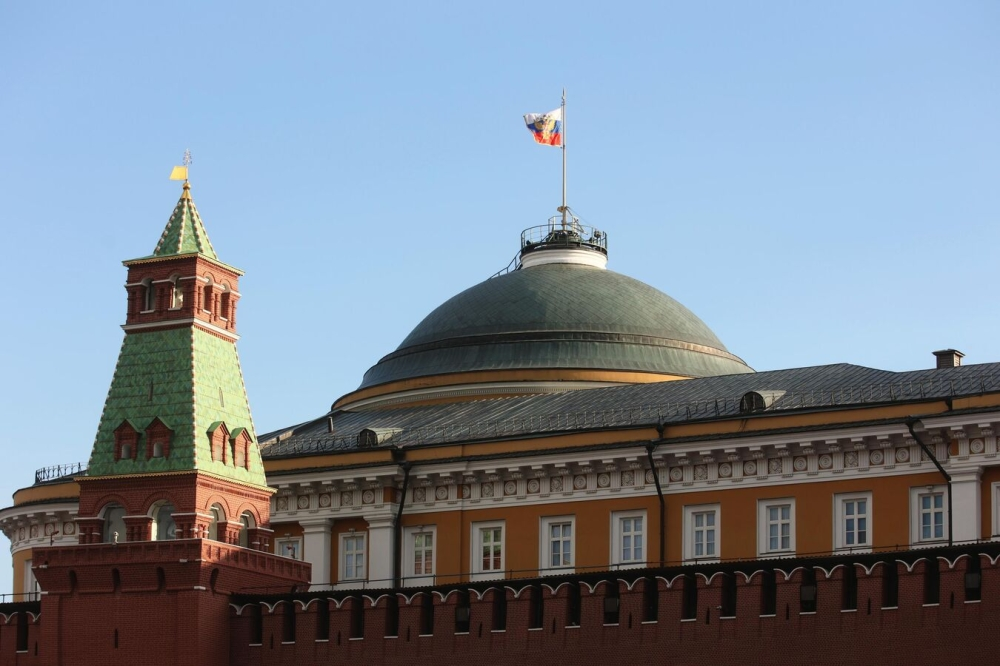
In an official statement clarifying Russia's position on recent diplomatic moves, Kremlin spokesman Dmitry Peskov categorically denied reports that Russian President Vladimir Putin had rejected the proposed US peace plan to end the conflict in Ukraine. Peskov emphasized that reports of a "complete rejection" were inaccurate, explaining that Moscow was seriously considering the proposals on the table.
Details of the Russian position on the American plan
Peskov explained during his press conference that Moscow and Washington had exchanged views directly and frankly on the plan's provisions. He noted that the Russian side found some points in the plan acceptable and buildable, while other points raised reservations in Moscow and required further discussion and amendment to align with the Russian vision for a sustainable solution.
The Kremlin spokesman stressed that the main goal is to find a "realistic basis" for a political settlement, emphasizing that the dialogue remains open and that the assessment of the terms is being carried out with extreme precision in accordance with the supreme considerations of Russian national security and the requirements for ending the conflict through political and diplomatic means rather than continuing with military solutions.
Context of the conflict and historical background
These statements come at a highly sensitive time, as the Russian-Ukrainian conflict approaches its third year since it erupted in February 2022. This period has witnessed numerous international mediation attempts, but the gap between the demands of the two sides has consistently hindered reaching a final agreement. Historically, Russian concerns have centered on NATO's eastward expansion, which Moscow considers an existential threat to its security, while Ukraine and the West insist on the principle of state sovereignty and the right of states to choose their alliances.
Reports indicate that the current diplomatic activity, including the American plan, comes amid global geopolitical changes and attempts to break the military stalemate on the ground, as the international community seeks to avoid scenarios of open escalation that could drag other major powers into the circle of direct conflict.
Strategic importance and impact of the event
This clarification from the Kremlin carries significant strategic implications on several levels:
- On the international level: The lack of outright rejection of the plan indicates an implicit desire on the part of Moscow to explore political solutions, which may open the door to more serious rounds of negotiations that could reduce global tensions and spare the world deeper economic and food crises.
- Regionally, any progress in the peace process is crucial for the stability of the European continent, particularly concerning energy and border security. Furthermore, the success of any peace plan will reshape the security landscape in Eastern Europe for decades to come.
- US-Russia relations: Direct exchanges of views between Washington and Moscow confirm that back channels of communication are still working, which is vital to preventing a slide towards a direct nuclear or military confrontation between the world's two largest nuclear powers.
In conclusion, the Russian position remains contingent on the flexibility of the American plan in addressing the "reservations" that Peskov referred to, especially those related to security guarantees and the future status of Ukraine.