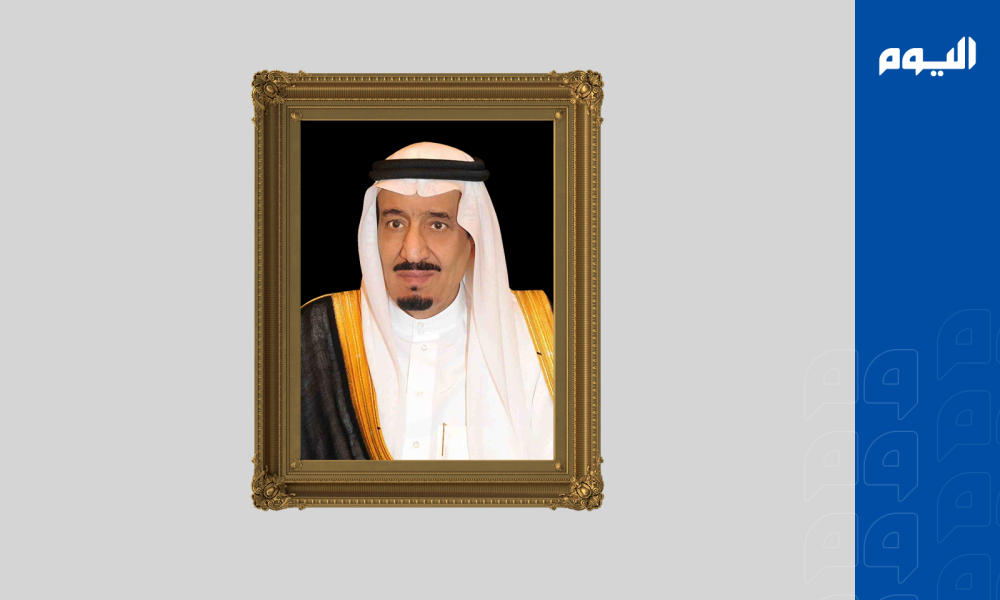
The Saudi Royal Court announced that the Custodian of the Two Holy Mosques, King Salman bin Abdulaziz Al Saud, has called for prayers for rain to be held throughout the Kingdom of Saudi Arabia next Thursday. This blessed call follows the tradition of the Prophet Muhammad (peace be upon him) when rain is delayed, seeking rain and mercy from God Almighty.
Royal Court statement and details of the invitation
An official statement issued by the Royal Court read: “Following the tradition of our Prophet Muhammad, peace and blessings be upon him, of performing the prayer for rain, the Custodian of the Two Holy Mosques, King Salman bin Abdulaziz Al Saud, may God protect and preserve him, has called for the performance of the prayer for rain throughout the Kingdom on Thursday, the 24th of Sha’ban 1447 AH, according to the Umm al-Qura calendar.” The statement urged all Muslims to increase their repentance, seek forgiveness, and turn to God, and to be kind to His servants through charity, voluntary acts of worship, and relieving the distress of those in need, in the hope that God will have mercy on the land and its people and answer their prayers.
The historical and religious context of the prayer for rain
The prayer for rain (Istisqa) is a well-established Islamic ritual and a confirmed Sunnah, performed when drought strikes and rainfall is delayed. It is a collective expression of dependence on God and reliance on Him alone in times of hardship. Historically, this prayer has been an integral part of Muslim life, especially in desert regions such as the Arabian Peninsula. In Saudi Arabia, it is customary for the ruler to call upon Muslims to perform it, reflecting the close connection between the leadership and the people in religious and social matters, and underscoring the Kingdom's religious significance as the cradle of Islam and the custodian of the Two Holy Mosques.
The importance and expected impact of the invitation
Locally, this call represents a significant spiritual event, uniting the hearts of citizens and residents in supplication to God. It also reminds younger generations of the importance of these religious rituals and reinforces the values of social solidarity by encouraging charity and benevolence. Regionally, the Custodian of the Two Holy Mosques' call for prayer has garnered widespread attention in the Islamic world and serves as a reminder of the importance of turning to God in the face of environmental and climatic challenges, such as the water scarcity plaguing many countries in the region. With the increasing global challenges related to climate change and water security, this religious practice stands out as a link between faith and awareness of the importance of natural resources, emphasizing that technological and material solutions must be accompanied by a sincere spiritual and faith-based approach.