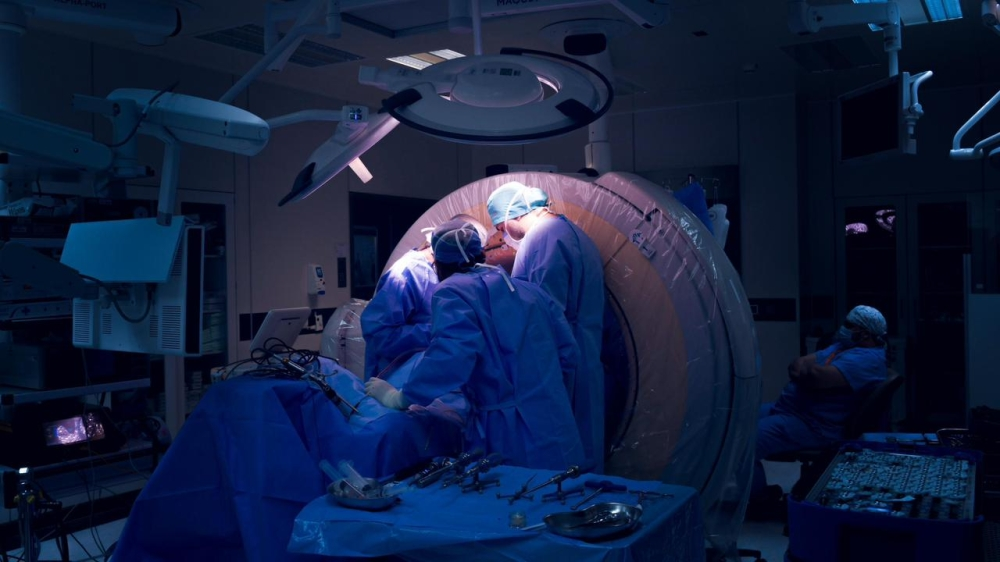
In a remarkable medical achievement reflecting the advanced state of the healthcare sector in the Kingdom of Saudi Arabia, the Interventional Neuroradiology Department at King Abdullah Medical City in Makkah, a member of the Makkah Health Cluster, successfully saved the lives of 260 patients last year. These patients were facing the risk of death or permanent paralysis due to critical brain conditions. This exceptional medical care was provided to citizens and residents, as well as pilgrims performing Hajj and Umrah, underscoring the city's high level of preparedness in serving the guests of God.
Background and development of interventional neurology
Interventional neurology is a modern medical specialty that has revolutionized the treatment of cerebrovascular diseases. Historically, these conditions required complex and risky surgeries involving opening the skull, often accompanied by high risks and varying success rates. With the development of microcatheterization techniques, it has become possible to access the smallest arteries in the brain through a small incision in the groin or arm, and to use microscopic instruments to remove clots or close areas of bleeding, significantly reducing risks and accelerating recovery time. As part of its Vision 2030, the Kingdom has invested in attracting and localizing these technologies, establishing specialized centers such as the Interventional Radiology Department at King Abdullah Medical City, which was founded in 2015 and has become a leading center in the region.
Details of the medical achievement and its impact
The medical city explained that its specialized medical teams professionally handled 140 cases of acute stroke, performing emergency cerebral catheterizations to remove blood clots and restore blood flow to the affected areas of the brain. This rapid intervention, performed in a race against time, represents the difference between a full recovery and permanent disability. In addition, the team successfully controlled 120 cases of severe cerebral hemorrhage resulting from vascular malformations or aneurysms in the cerebral arteries. These cases required exceptional skill to seal the source of bleeding using adhesives or micro-spirals without damaging the surrounding healthy tissue.
Strategic importance and international influence
The significance of this achievement lies in its local, regional, and international dimensions. Locally, it contributes to improving quality of life and reducing mortality and disability rates resulting from strokes, which are among the leading causes of death and disability worldwide. Internationally, the presence of a center with such capabilities in Mecca sends a message of reassurance to the millions of Muslims who flock to the holy city each year, confirming the availability of world-class healthcare should they encounter any medical emergency. This success reinforces the Kingdom's position as a leading destination not only for religious and touristic purposes but also for advanced healthcare, thus fulfilling one of the key objectives of Vision 2030: building a strong and sustainable healthcare sector.
Behind this success stands an integrated medical team comprising consultants in neurology and neurosurgery, neuroanesthesia, and intensive care, working in harmony around the clock within a clear treatment pathway known as “saving lives,” supported by advanced infrastructure and state-of-the-art neurocatheterization laboratories, ensuring the best possible outcomes for patients.