In a scene reflecting the cultural openness taking place in Saudi Arabia, the King Abdulaziz Camel Festival into a global destination attracting tourists from all continents. Visitors are immersed in vibrant cultural experiences that showcase the depth and authenticity of Saudi heritage. This event highlights the Kingdom's success in transforming its folklore into an interactive tourism product that contributes to introducing the world to its national identity and solidifying its standing.
A journey through history in the heart of the desert
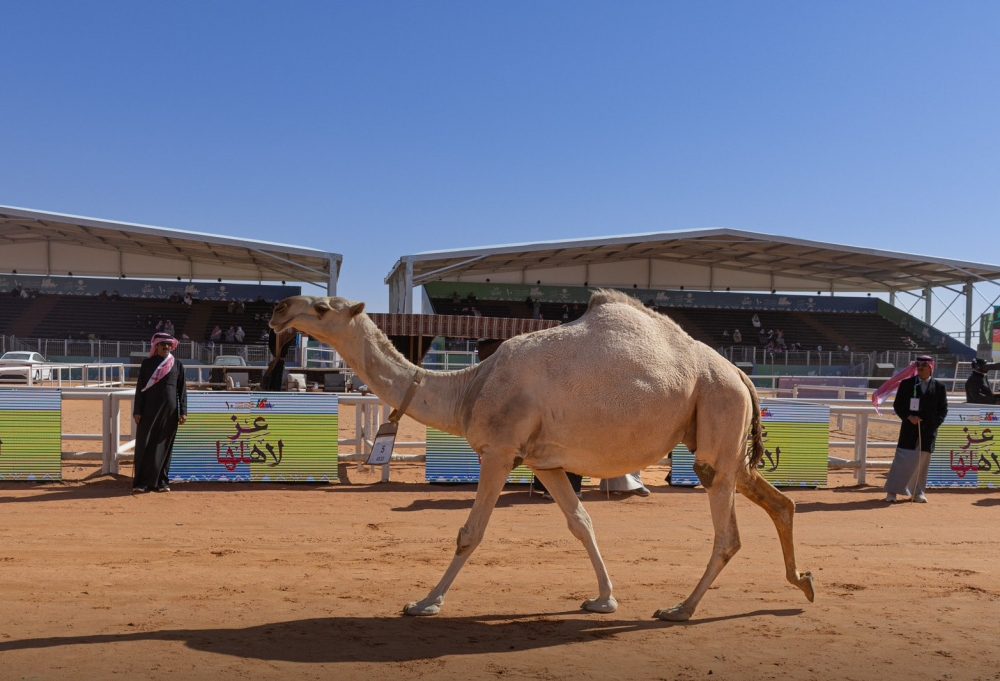
The festival, held in the southern Al-Dahna desert, is more than just a camel beauty contest; it offers a historical glimpse into the lives of our forefathers. Camels hold a special place in the Saudi consciousness, intertwined with the history of the Kingdom's unification. They were companions to the Arab people in their travels and settlements, and a source of food and clothing throughout the ages. Foreign tourists are drawn to this event to explore this unique relationship between humanity and the desert, and to understand the secrets of the "ship of the desert," an icon of Arab culture.
Interactive experiences: From falconry to Saudi coffee
The festival attracts a large number of international visitors eager to immerse themselves in the details of traditional life. Experiences range from camel riding to learn about the animals' nature, to watching falconry displays showcasing traditional hunting skills—a sport inscribed on UNESCO's list of intangible cultural heritage—thus adding a global dimension to the experience.
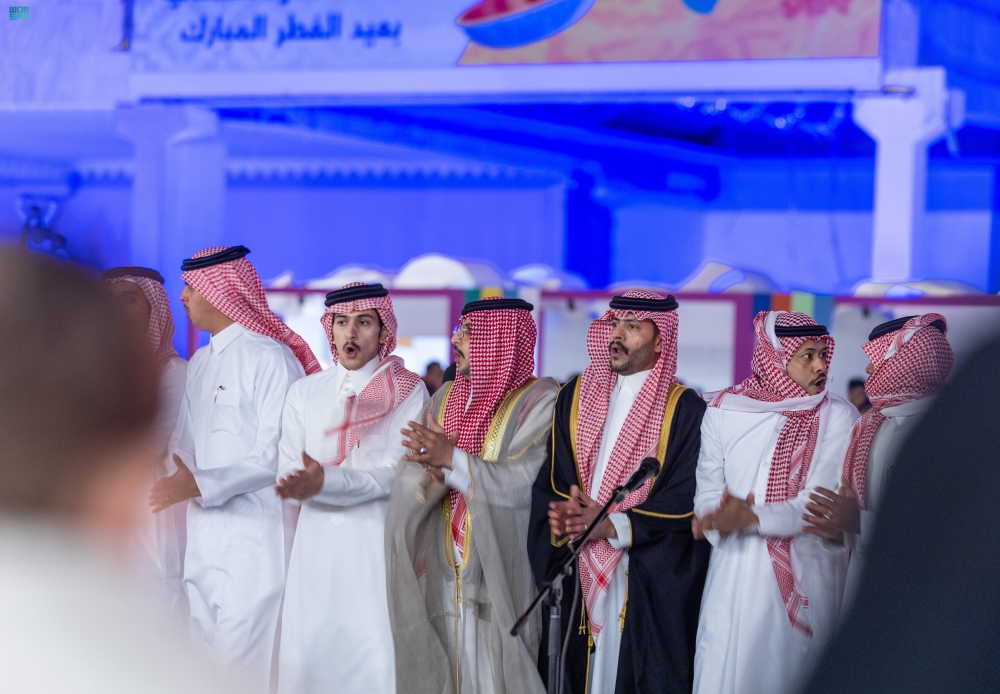
Tourists also participate in hands-on activities that strengthen their connection to the place, such as experiencing camel milking and tasting camel milk, trying on traditional Saudi attire (thobe, shemagh, and bisht for men, and abaya for women), and taking souvenir photos to document these moments. Perhaps the most popular attraction for visitors is experiencing the preparation of Saudi coffee , where they learn about the rituals of roasting and preparing it, and the deep social significance it holds, linked to generosity and Arab hospitality.
Promoting cultural tourism and achieving the goals of the Vision
These events align with the goals of Saudi Vision 2030 to revitalize the tourism sector and establish the Kingdom as a global destination. These firsthand experiences contribute to conveying an authentic image of Saudi society and fostering cultural exchange. The festival has transcended its role as a mere competitive arena, becoming a cultural platform and a hub for folk arts and crafts, underscoring that national heritage is a living, breathing identity and a bridge for human connection between the Kingdom and the world.