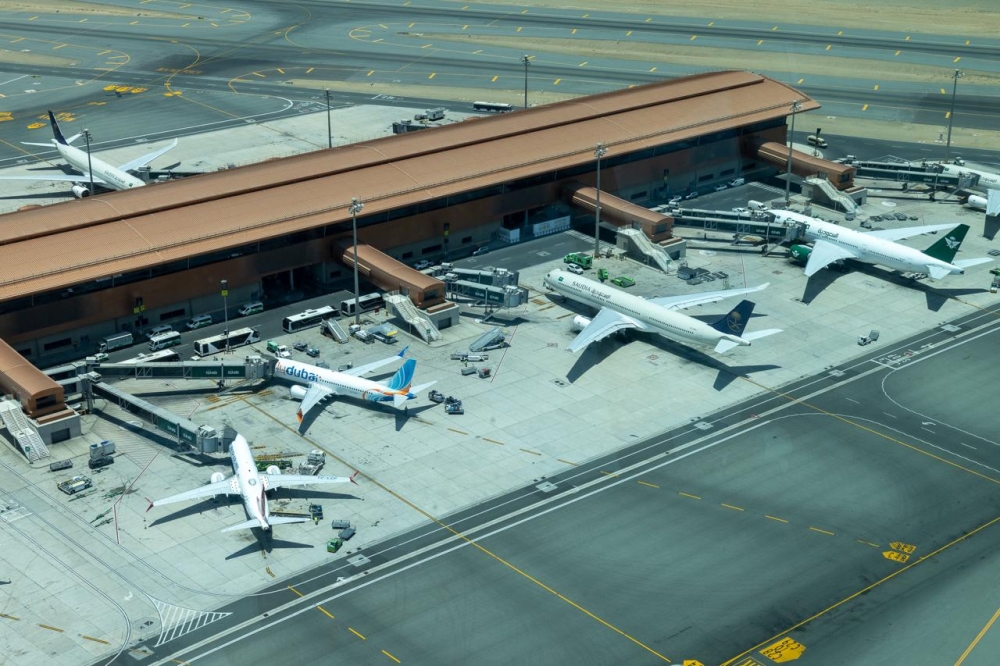
In a strategic move reflecting the rapid development of the civil aviation sector in the Kingdom of Saudi Arabia, King Abdulaziz International Airport in Jeddah announced the activation of Intersection Take-off operations on all three of its runways. This achievement follows the airport's official accreditation by the General Authority of Civil Aviation , making it the first airport in the Kingdom to fully implement this advanced operational mechanism, representing a significant leap forward in air traffic management.
What is cross-start and why is it important?
Cross-take is a globally recognized operational procedure that allows aircraft to begin takeoff from taxiways where they intersect with taxiways, rather than having to proceed to the full length of the runway. This procedure significantly reduces the distance and time an aircraft spends taxiing before takeoff. The implementation of this system followed the airport's fulfillment of all stringent safety requirements and the completion of thorough technical studies to ensure that air traffic controllers, pilots, and runway infrastructure meet the highest international standards.
Enhancing operational efficiency and addressing peak times
This upgrade directly contributes to increasing the airport's capacity, especially during peak seasonal periods such as Hajj and Umrah pilgrimages and summer holidays. By reducing the time each aircraft spends on the runway, the airport can accommodate a greater number of departing flights per hour. This improvement in air traffic flow positively impacts the passenger experience by reducing the likelihood of flight delays caused by runway congestion, thus enhancing the reliability of flight schedules.
Environmental impact and sustainability
The benefits of cross-take extend beyond operational aspects, encompassing significant environmental dimensions that align with the "Saudi Green" initiative. Reducing engine idling time during ground taxiing leads to a substantial decrease in aircraft fuel consumption, thereby lowering harmful carbon emissions. This approach supports Jeddah Airports Company's environmental sustainability goals and enhances the efficiency of low-cost carriers by saving on fuel costs.
Context of the National Vision 2030
This achievement is perfectly aligned with the objectives of the National Transport and Logistics Strategy, stemming from the Kingdom’s Vision 2030, which aims to make the Kingdom a global logistics hub connecting three continents. The strategy seeks to reach 330 million passengers annually and connect the Kingdom to 250 international destinations by 2030. King Abdulaziz International Airport, as the main gateway to the Two Holy Mosques and one of the most important air hubs in the region, is a cornerstone in achieving these ambitions. Handling these increasing numbers requires adopting the latest technologies and smart operational solutions to ensure smooth operations and accommodate future growth.