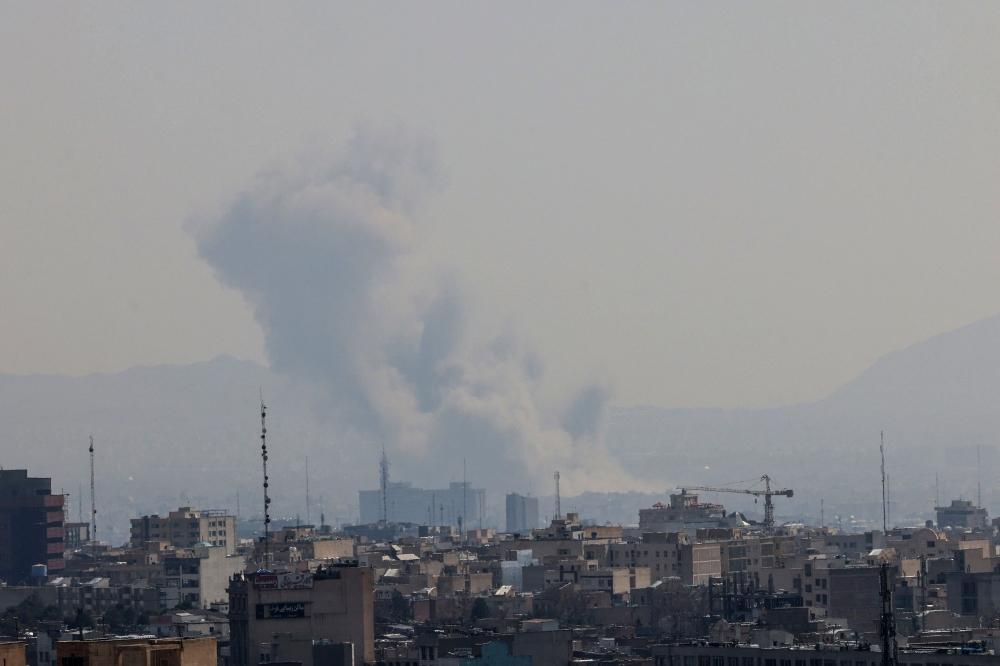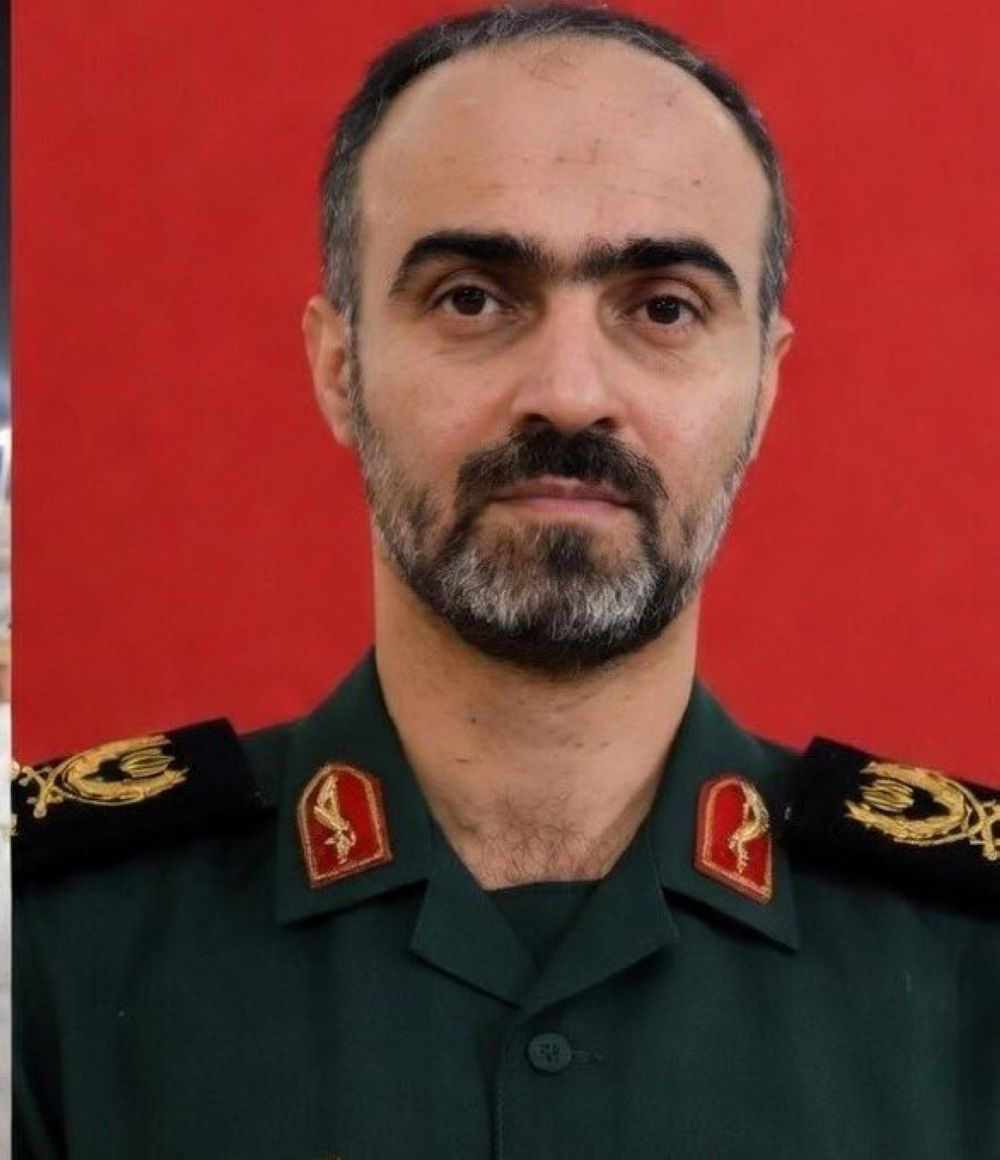
Iranian media outlets announced in a breaking news report the death of General Ismail Ahmadi , the head of intelligence for Iran's Basij militia. This significant event, also reported by Al Arabiya, comes amid an unprecedented escalation of military and political tensions in the region, raising serious questions about the future of security and stability within Iran and the Middle East in general.
Background to the events leading up to the assassination of General Ismail Ahmadi
To understand the broader context of this event, it is essential to consider the pivotal role played by the Basij and the Iranian Revolutionary Guard Corps (IRGC) within Iran’s security and military structure. The Basij was established after the 1979 Islamic Revolution as a paramilitary force tasked with internal security, but it has since evolved into a crucial intelligence and military arm. Basij intelligence is responsible for gathering sensitive information and monitoring internal movements, making the targeting of its leaders a significant blow to the security apparatus. In recent years, indirect and direct confrontations have intensified between Tehran on one side, and the United States and Israel on the other. These tensions have manifested in a series of tit-for-tat attacks, with Washington and Tel Aviv viewing Iranian military leaders as a direct threat to their strategic interests in the Middle East.
Heavy losses among the Iranian Revolutionary Guard
The targeting of the Basij intelligence chief was not the only event to recently shake Iranian circles. On Friday, the Iranian Revolutionary Guard announced the death of its official spokesman, Ali Mohammad Naeini, in a joint US-Israeli strike. The situation escalated dramatically when an Iranian security official announced a heavy toll from the US-Israeli raids targeting Lorestan province, reporting the deaths of 80 soldiers and 64 civilians. These figures reflect a dangerous shift in the rules of engagement, with military operations now targeting the Iranian heartland directly and intensively, signaling a new phase of open conflict.
Regional and international repercussions of the recent escalation
This military escalation, and the targeting of high-ranking security and military figures, carries profound implications and far-reaching consequences. Domestically, the loss of prominent intelligence and Revolutionary Guard commanders represents a blow to Iran's security apparatus, potentially prompting Tehran to reassess its defense strategies and tighten its internal security grip. Furthermore, the targeting of facilities and bases in Lorestan sends a clear message that Iran's military capabilities are now within direct range of fire.
Regionally, these developments raise the possibility of wider confrontations that could involve Iran's allies in the region, threatening maritime security and global energy supplies. Internationally, these events present the international community with complex diplomatic challenges. The direct escalation between the United States and Israel on one side, and Iran on the other, diminishes the chances of diplomatic de-escalation and increases the likelihood of sliding into a full-blown regional war that would require urgent intervention from major powers to reduce tensions and prevent the situation from spiraling out of control.