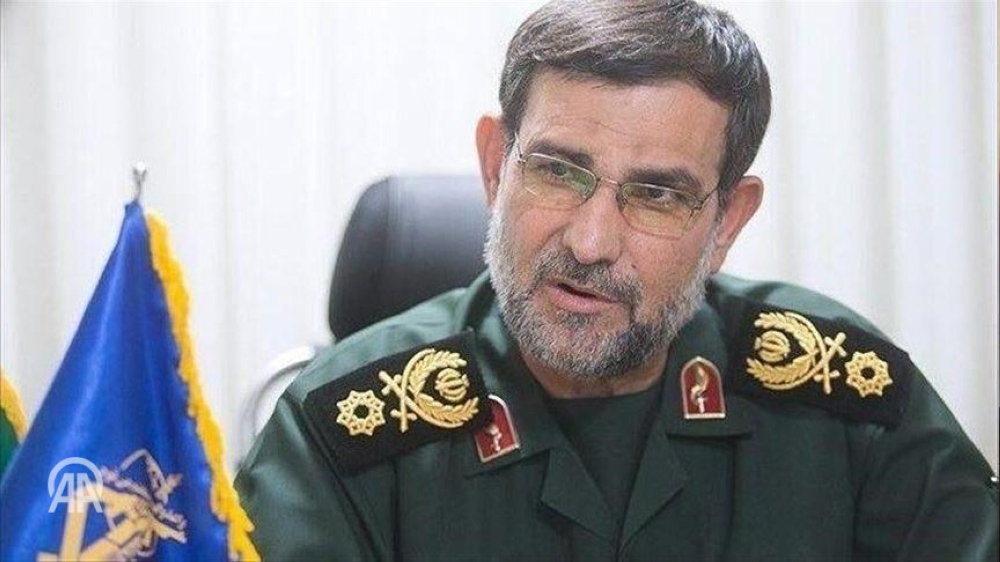
Israeli and international media outlets have reported the death of Ali Reza Tangsiri , commander of the Iranian Revolutionary Guard's naval forces, in an airstrike targeting a site in the coastal city of Bandar Abbas. According to a breaking news report by Al Arabiya, this event represents a dangerous escalation in the military situation in the Middle East, amid international anticipation of potential Iranian responses.
#Breaking | Israeli media: Revolutionary Guard Navy Commander Ali Reza Tangsiri killed in an airstrike on Bandar Abbas #Today https://t.co/lSDxByPwnV pic.twitter.com/NmpgTxbc0V
— Al-Youm Newspaper (@alyaum) March 26, 2026
The career of the naval commander and the escalation of tensions in the Gulf
This development comes against a backdrop of a long history of tensions in the Persian Gulf. Tangsiri assumed command of the Iranian Revolutionary Guard Corps Navy in 2018, succeeding Ali Fadavi. Since taking office, he has been known for his hardline statements and repeated threats to close the Strait of Hormuz, through which a significant portion of the world's oil supply passes, should Tehran be prevented from exporting its oil. Under his command, the Persian Gulf and the Gulf of Oman have witnessed numerous incidents, including the seizure of foreign oil tankers and the harassment of commercial and military vessels, prompting the United States and its allies to bolster their military presence to protect freedom of navigation. This historical context makes targeting him a turning point that could alter the unspoken rules of engagement between Tehran, Tel Aviv, and Washington.
Regional and international repercussions following the killing of Ali Reza Tangsiri
The assassination of Ali Reza Tangsiri will undoubtedly have a profound impact on both the regional and international landscapes. Domestically in Iran, the loss of such a high-ranking military figure represents a significant moral and strategic blow to the Islamic Revolutionary Guard Corps (IRGC), potentially prompting the Iranian leadership to reassess its security measures and military tactics. Regionally, this event foreshadows a possible escalation in the ongoing "shadow war" between Israel and Iran, as Tehran may seek to retaliate through its proxies in the region or by targeting Israeli or Western interests. Internationally, global markets, particularly energy markets, are watching closely, as any escalation in the Strait of Hormuz or the Red Sea will inevitably disrupt supply chains and drive up oil prices, presenting the international community with complex security and economic challenges.
The political landscape and negotiations amidst military escalation
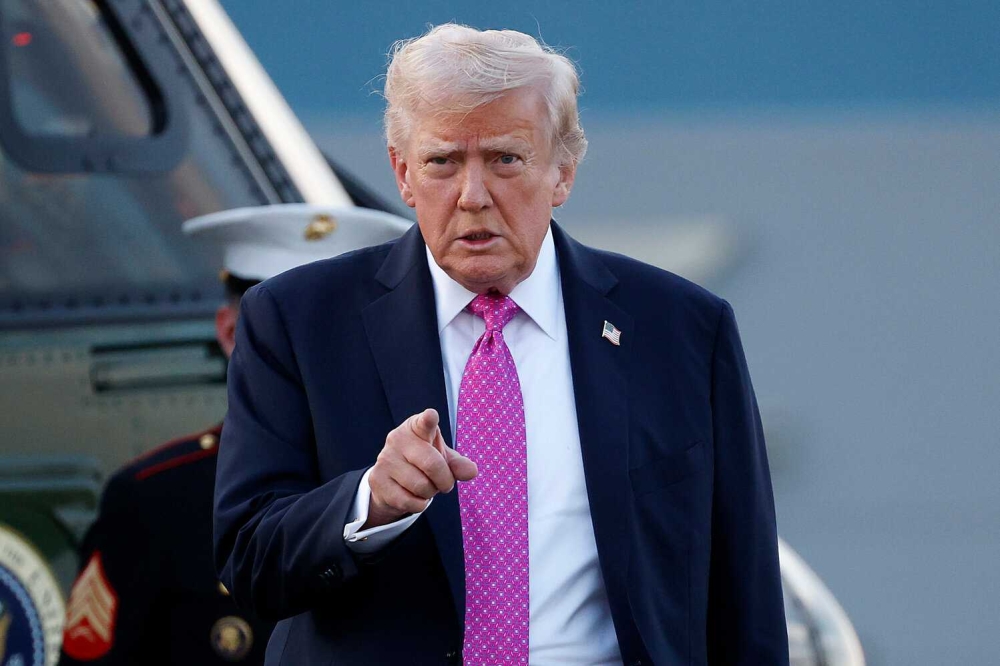
In a related context, amid the political and military pressures facing Tehran, statements by US officials regarding the internal Iranian situation stand out. Former US President Donald Trump that Iran is eager to engage in peace talks and reach a new agreement. He indicated that Tehran's denials stem from the Iranian negotiators' fear of being killed by their own people or by hardline factions. Al Arabiya quoted Trump as saying at a dinner for Republican members of Congress: "They are negotiating, and they desperately want to make a deal. But they are afraid to say so because they believe that if they do, they will be killed by their own people." These statements highlight the internal complexities facing Tehran, making any military escalation, such as targeting its leadership, an additional factor complicating the political and diplomatic landscape.