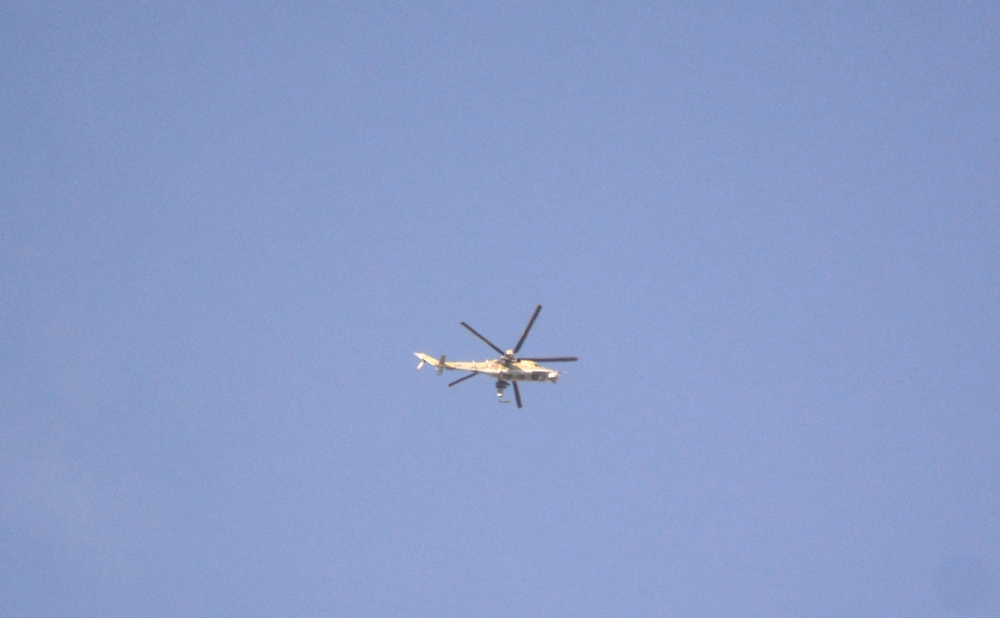
The United Republic of Tanzania witnessed a tragic accident on Thursday, as five people were killed when a helicopter crashed while flying over the famous Mount Kilimanjaro, in an incident that cast a sad shadow over the country's tourism and adventure sector.
The Tanzanian Civil Aviation Authority confirmed the incident in an official statement, noting that the ill-fated plane was on a humanitarian mission to rescue climbers who had suffered health problems, but it crashed near the "Barafo" camp, which is one of the main stations for climbers aspiring to reach the summit.
Details of the accident and the site of the disaster
The accident occurred in an area with extremely rugged terrain; the Baravo base camp is located at an altitude of approximately 4,600 meters above sea level. This location is crucial for climbers, as it represents the last base camp before ascending Uhuru Peak, the highest point on the mountain. According to initial reports, the aircraft was attempting a medical evacuation, a routine but risky procedure at such high altitudes.
Mount Kilimanjaro: A tourist hotspot and a challenge of nature
Mount Kilimanjaro, located in northeastern Tanzania near the Kenyan border, is the highest mountain peak in Africa, reaching a height of 5,895 meters. Every year, the mountain attracts thousands of adventurers and tourists from around the world, making it a cornerstone of Tanzania's tourism economy.
Despite its breathtaking beauty, the mountain presents significant health and logistical challenges, most notably "altitude sickness," which affects many climbers due to oxygen deprivation, necessitating urgent medical interventions and helicopter evacuations to save lives.
Risks of flying at high altitudes
This incident highlights the technical and environmental challenges faced by helicopter pilots in high mountainous regions. Flying at altitudes exceeding 4,000 meters requires exceptional skills and specialized equipment, due to the low air density which negatively impacts the aircraft's lift and maneuverability.
Furthermore, Mount Kilimanjaro's climate is characterized by rapid and unpredictable weather changes, including strong winds and dense fog, making search and rescue operations complex and dangerous. Tanzanian authorities are expected to launch a comprehensive investigation to determine the precise cause of the crash—whether technical, human error, or adverse weather conditions—to ensure the safety of future rescue missions in this vital region.