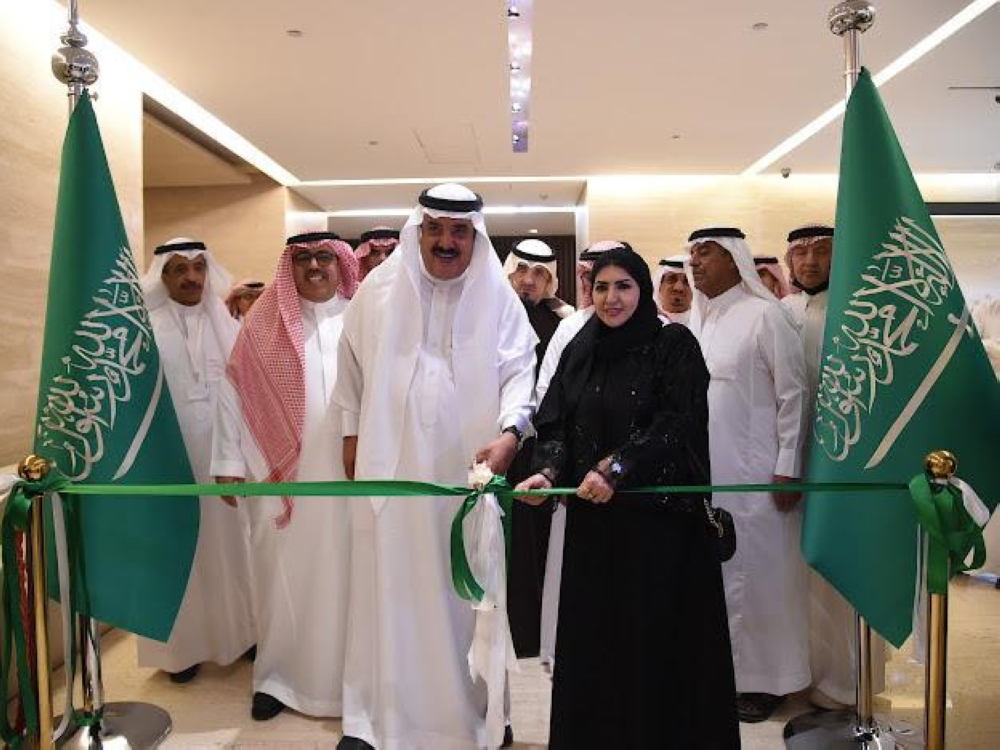
Kadana, the master developer of the Holy Sites and a subsidiary of the Royal Commission for Makkah City and the Holy Sites, announced the launch of the “Ain Zubaydah” event during the holy month of Ramadan. This cultural and historical initiative, in cooperation with the Arab Countries Pilgrims’ Tawafa Company (Ashraqat) and the Heritage Commission, aims to revive one of the most important historical landmarks in the Holy City and provide a unique and enriching experience for pilgrims and residents.
A historical legacy that tells a story of giving
The event derives its name and significance from the “Ain Zubayda,” a monumental engineering project dating back over 1200 years. It was commissioned by Zubayda bint Ja'far, wife of the Abbasid Caliph Harun al-Rashid, after she witnessed the hardship pilgrims faced in obtaining water during their journey to Mecca. This project provided a radical solution to the water scarcity problem, constructing a network of canals stretching for tens of kilometers, traversing mountains and deserts, to bring fresh water from the springs of Wadi Nu'man to Mecca and the holy sites (Arafat, Muzdalifah, and Mina). This project, which cost a fortune in its time, is considered the largest water endowment in Islamic history and a testament to the grandeur of Islamic engineering and the spirit of generosity.
A complete cultural experience at the heart of emotions
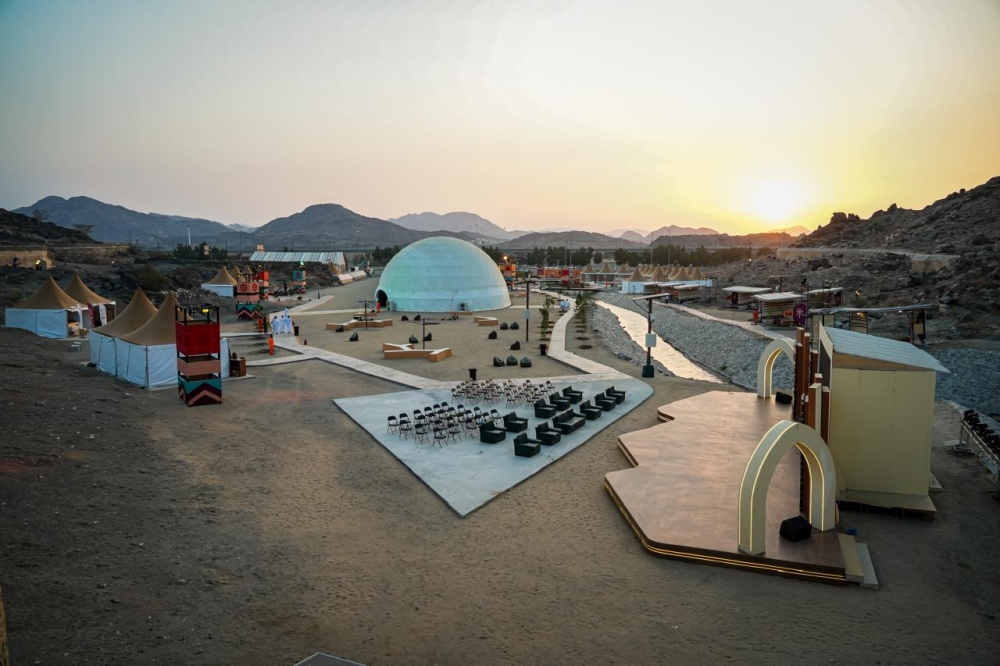
The event is strategically located on the road between Arafat and Muzdalifah, designed to take visitors on a journey through time under the theme "History Told, Life Lived." It features a miniature village replicating the historical style, offering visitors the opportunity to explore this ancient site and interact with the artifacts that bear witness to this great heritage. Activities include historical visual displays, a traditional market showcasing handicrafts and products, seating areas around a water feature, and food and beverage stalls. The experience is designed to be interactive and informative, taking into account the diverse languages of the pilgrims arriving from around the world, and shuttle buses are provided to transport them to the site.
Cultural significance and future vision
The significance of the “Ain Zubaydah” event extends beyond its role as a recreational and cultural destination during Ramadan; it plays a pivotal role in achieving the goals of Saudi Vision 2030. The event showcases the cultural and civilizational heritage of the Kingdom of Saudi Arabia and promotes religious and cultural tourism by enriching the experience of pilgrims. It also reconnects the current generation with its rich Islamic history and highlights inspiring stories such as that of Lady Zubaydah, a model of female leadership and philanthropy in Islamic history. Revitalizing such historical sites transforms them from mere silent relics into vibrant destinations that tell the stories of the past and inspire the future.