Iran's Supreme Leader, Ayatollah Ali Khamenei, issued a decree pardoning or reducing the sentences of 2,108 convicted individuals ahead of the anniversary of the Islamic Revolution. The Iranian judiciary confirmed that this pardon, granted at the suggestion of its head, explicitly excludes anyone convicted of participating in the recent wave of widespread protests across the country.
Context of the decision and its historical background
Granting pardons by the Supreme Leader is a long-standing tradition in the Islamic Republic of Iran, typically invoked on major religious and national occasions, such as the anniversary of the 1979 Islamic Revolution, Eid al-Fitr, and the Prophet Muhammad's birthday. These pardons follow a specific constitutional process, beginning with the head of the judiciary, currently Gholamhossein Mohseni Ejei, submitting a list of eligible convicts to the Supreme Leader, who has the final authority to approve or reject them. This measure aims to demonstrate clemency and alleviate overcrowding in prisons for cases not considered by the authorities to be a direct threat to national security.
The importance of the exception and its political impact
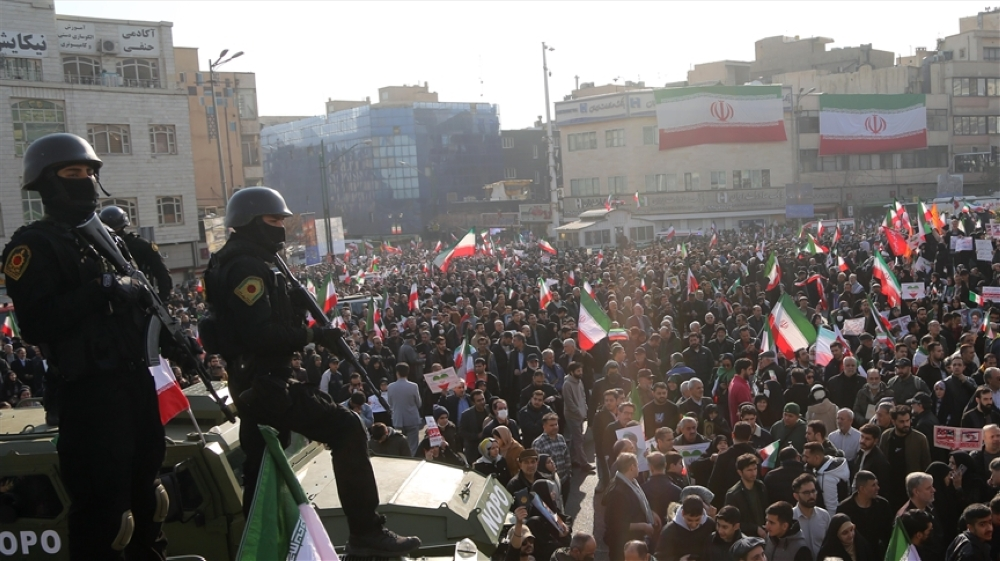
The most striking aspect of this decision lies in the explicit statement issued by the Deputy Head of the Judiciary, Ali Mozaffari, who confirmed that the list does not include “those accused and convicted in the recent riots.” This exception signals a clear political message from the regime: to distinguish between ordinary criminal offenses and those of a political nature. The protests, which erupted in late December 2017 and continued into early 2018, began as a movement demanding better living conditions and addressing the deteriorating economic situation, but quickly took on a political character opposed to the entire regime, spreading to dozens of Iranian cities.
By excluding those arrested during these protests, the regime reinforces its official narrative, which characterizes these movements as “sedition” and “riots” supported by foreign powers, rather than as a legitimate popular movement. This stance reflects the regime’s continued reliance on a strict security approach to dealing with any form of organized political opposition and sends a deterrent message to any future actions. Internationally, this decision is viewed with criticism by human rights organizations, which demand the release of all prisoners of conscience and political prisoners, and consider such selective amnesties a political tool that does not reflect genuine reform in Iran’s human rights record.